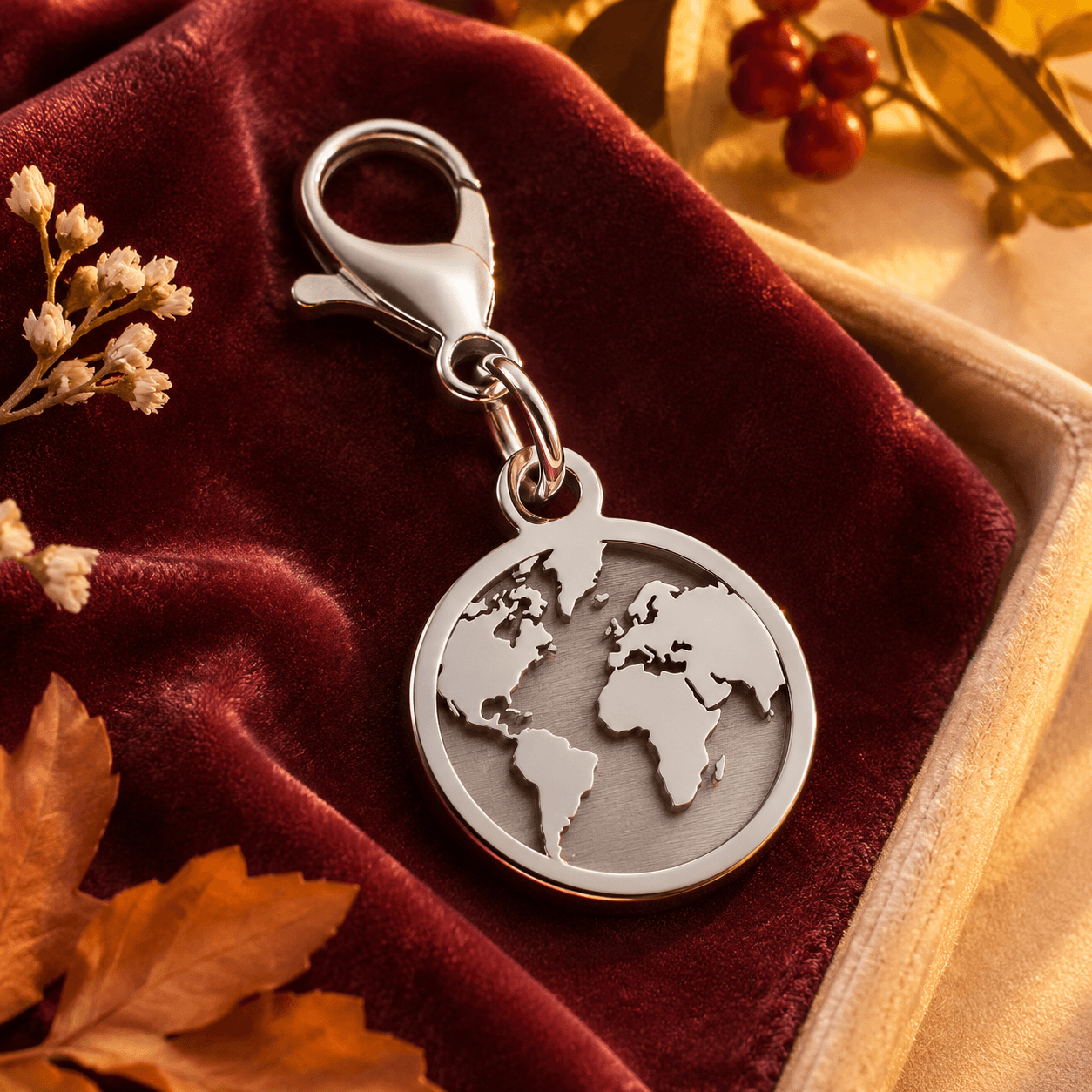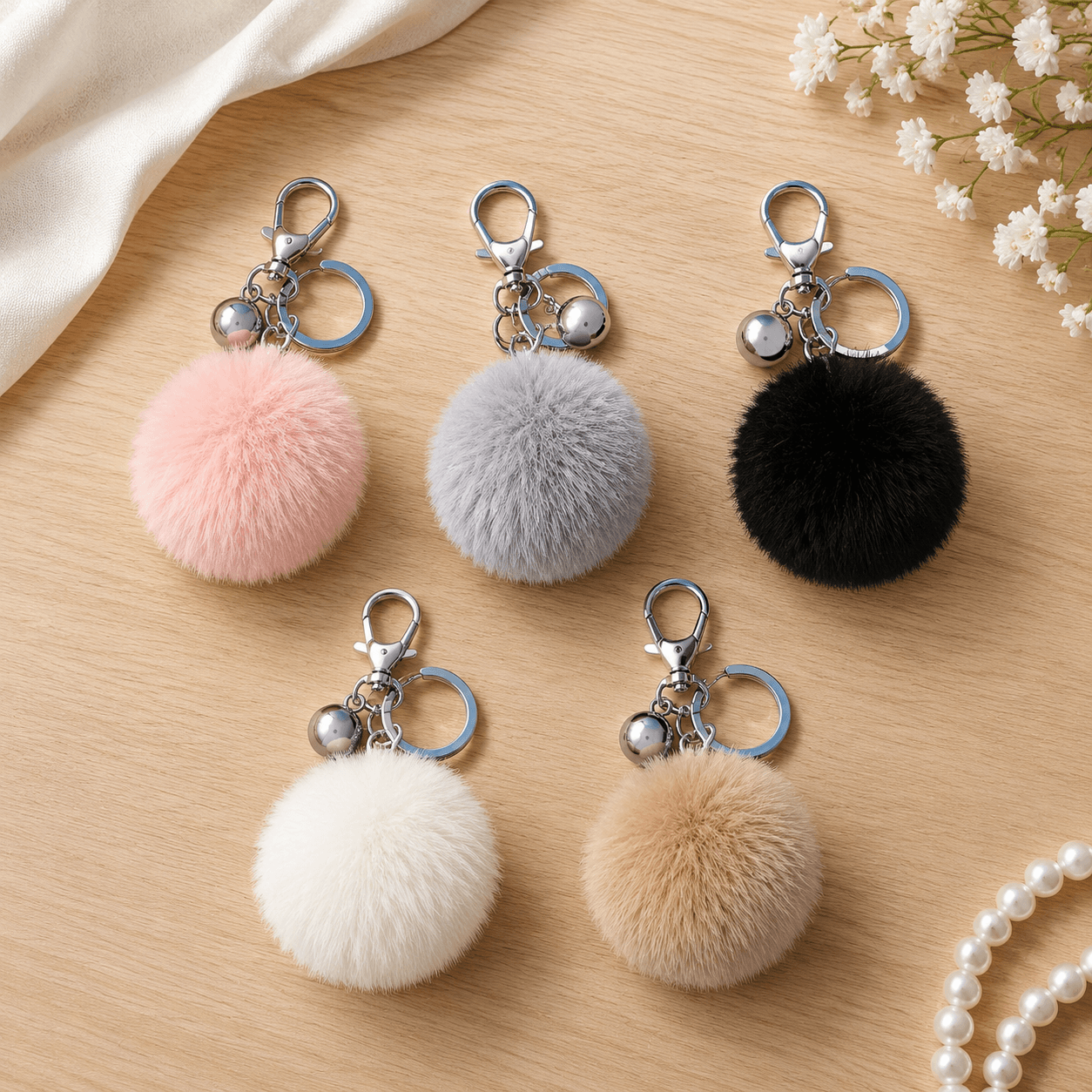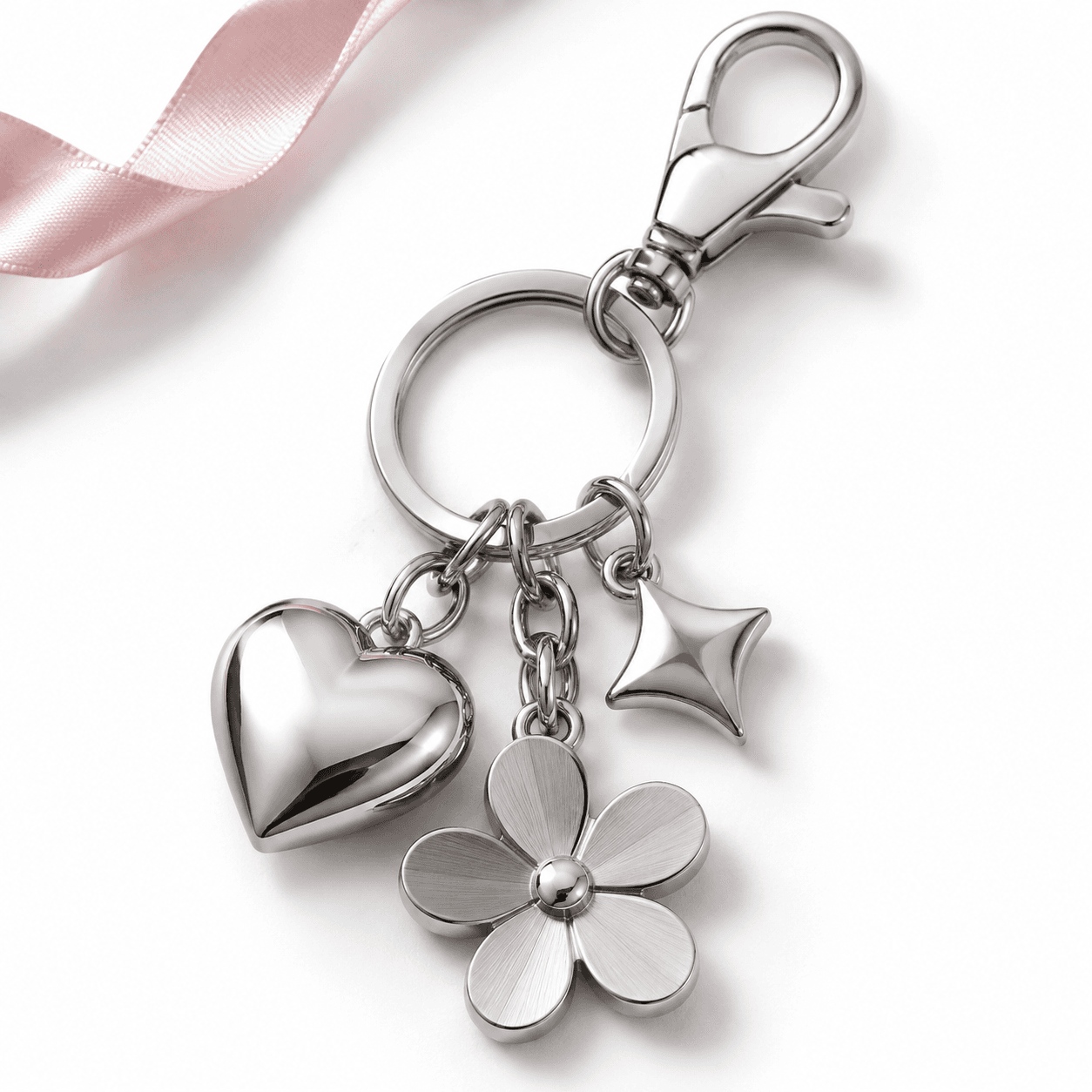
Procurement teams sourcing stainless steel keychain bag charm programs for European boutique brands face a simple but high-stakes question: can the supplier prove compliance before the first bulk order? Price and design matter, but in the EU market, documentation quality, material traceability, and finish consistency often determine whether a charm program moves smoothly through sampling, approval, and repeat orders. A structured supplier checklist reduces risk and gives buying teams a clear basis for comparison.
This guide is written for procurement and sourcing managers evaluating a stainless steel keychain bag charm supplier. It focuses on certifications and compliance, with practical checkpoints for REACH, RoHS, SGS test reports, nickel release, safety standards, and bulk order controls. Lancy Jewelry supports OEM and private label charm programs with 316L stainless steel charms and documented finishing options including PVD gold plating, silver finish, rose gold plating, enamel, and crystal inlay.
Why Compliance Matters When Selecting a Stainless Steel Keychain Bag Charm Supplier

European buyers increasingly require evidence that fashion accessories are produced with controlled materials and finishes. For keychain and bag charm programs, the main compliance concerns are skin contact, restricted substances, plating durability, and packaging documentation. A supplier that cannot provide clear test reports or material declarations creates delays during vendor onboarding and may increase exposure to returns, customs questions, or buyer audits.
European Compliance Landscape for Charm Accessories
EU procurement teams typically request REACH statements, nickel release test data, and finish durability information. Depending on the buyer and end use, RoHS declarations may also be requested for accessory components and packaging. For jewellery and charm items intended for repeated handling, EN1811 nickel release testing is a common reference point. Suppliers should be able to explain which reports apply to which product family and how those reports are kept current.
Supplier Risk Versus Documentation Quality
A low unit price can hide expensive rework if plating adhesion, colour consistency, or attachment strength is not controlled. Documentation quality is a useful proxy for process discipline. When a stainless steel charms manufacturer can provide material declarations, SGS-certified test reports, plating specifications, and sample approval records, procurement teams gain a more reliable view of production readiness.
Supplier Compliance Checklist for 316L Stainless Steel Charms
Use the following checklist during RFQ review, sample development, and pre-production approval. It is designed for European buyers sourcing 316L stainless steel charms for keychain and bag charm applications.
1. Material Grade and Traceability
- ☐ Confirm the base material is 316L stainless steel, not a generic stainless steel grade.
- ☐ Request a material declaration or mill certificate reference for the production batch.
- ☐ Verify that the supplier's standard product range is built on 316L stainless steel charms.
- ☐ Confirm how material grade is controlled across repeat bulk orders.
2. REACH and Restricted Substances Documentation
- ☐ Request a current REACH statement covering the charm, plating, enamel, and crystal inlay components.
- ☐ Confirm whether the declaration covers nickel, lead, cadmium, and other relevant restricted substances.
- ☐ Check that the document identifies the product family, not only a generic company statement.
- ☐ Ask how the supplier updates compliance documentation when formulations or finishes change.
3. Nickel Release and Skin Contact Safety
- ☐ Request Nickel Release EN1811 test reports for skin-contact charm programs.
- ☐ Confirm that the report reflects the final finish, including PVD plating or rose gold plating.
- ☐ Review the test date, sample description, and test laboratory details.
- ☐ Ask whether the supplier performs routine finish checks to support consistent nickel release performance.
4. RoHS and Environmental Controls
- ☐ Request RoHS declarations where required by the buyer or retail channel.
- ☐ Confirm that the declaration covers relevant materials, plating, and packaging components.
- ☐ Check that the supplier can provide updated documents during vendor onboarding.
- ☐ Clarify how compliance documents are linked to SKU-level specifications.
5. SGS Reports and Salt Spray Durability
- ☐ Request SGS-certified reports for RoHS, REACH, and Nickel Release EN1811 where applicable.
- ☐ Confirm Salt Spray 240H testing for finish durability on PVD plated stainless steel charms.
- ☐ Verify that the tested finish matches the requested gold plated, silver finish, or rose gold plating option.
- ☐ Review whether the supplier provides test summaries suitable for European buyer files.
6. Plating, Enamel, and Crystal Setting Controls
- ☐ Confirm plating thickness and adhesion expectations in the approved sample specification.
- ☐ Check colour consistency standards for enamel color filling across a production lot.
- ☐ Review crystal setting retention and surface finish requirements.
- ☐ Ask how the charm factory records finish parameters for repeat orders.
7. Sample Development and Pre-Production Approval
- ☐ Request a sample development timeline with clear approval stages.
- ☐ Confirm that attachment points, jump rings, and key ring connections are reviewed on the physical sample.
- ☐ Approve dimensions, finish, logo engraving, and packaging before bulk production.
- ☐ Keep signed sample records as the reference standard for bulk orders.
8. Private Label Packaging and Label Compliance
- ☐ Confirm private label charms packaging requirements, including display cards and barcodes.
- ☐ Review label content for material description, origin information, and care instructions where required.
- ☐ Verify that packaging materials meet buyer restrictions and European retail expectations.
- ☐ Approve packaging artwork and physical proofs before mass production.
9. Audit and Quality Evidence
- ☐ Request recent inspection records for dimensions, plating appearance, and attachment strength.
- ☐ Confirm how non-conforming lots are handled and documented.
- ☐ Review change-control procedures for material, plating, and packaging updates.
- ☐ Verify that the supplier can support buyer audits with organised compliance files.
How to Evaluate a Charm Factory in Practice
Step 1: Request a Compliance Pack Before RFQ Pricing
Start with a documented compliance pack rather than a price list alone. A reliable stainless steel charms manufacturer should provide REACH and RoHS statements, SGS test reports, nickel release data, finish specifications, and sample development terms. This approach allows procurement teams to compare suppliers on evidence, not only quotations.
Step 2: Cross-Check Reports Against the Requested Product
Review whether the test report describes a product similar to the requested 316L stainless steel charms. Check the finish, dimensions, and test date. A report for a different plating or product family may not support the SKU under evaluation. European buyers should ask for SKU-level confirmation when a program includes multiple finishes or enamel colours.
Step 3: Validate Samples Against the Specification
Use sample development to verify physical details: bail or jump ring placement, key ring attachment, surface finish, engraving quality, and packaging fit. For keychain and bag charm programs, attachment logic should be reviewed carefully so the finished product presents a clean, mechanically plausible construction.
Step 4: Confirm Bulk Order Controls
Before bulk orders, confirm MOQ, lead time, inspection points, and packaging approval. Ask how the supplier maintains finish consistency across production lots, especially for PVD plated stainless steel charms and enamel color filling. Documented controls reduce the risk of colour drift and rework.
Step 5: Assign Document Responsibilities
Clarify who maintains compliance files, who approves changes, and how updates are communicated. A supplier that treats compliance as a live process, rather than a one-time PDF, is better positioned to support long-term private label and wholesale stainless steel charms programs.
Benefits of a Documented Compliance Process
Reduced Buyer and Retail Channel Risk
Complete documentation helps European buyers answer internal compliance questions faster. It also supports smoother vendor onboarding and reduces the likelihood of order holds caused by missing test reports or unclear material declarations.
Stronger Boutique and Private Label Relationships
Boutique brands expect suppliers to understand finish quality and packaging presentation. A documented process for 316L stainless steel charms, PVD plating, and private label packaging supports consistent collections and easier repeat orders. Lancy Jewelry combines OEM and ODM support with low MOQ options, sample development, logo engraving, and boutique-ready series planning.
Consistent Plating and Finish Quality
Compliance is closely linked to production discipline. SGS-certified testing for RoHS, REACH, Nickel Release EN1811, and Salt Spray 240H supports buyer confidence in finish durability. For procurement teams, these documents provide a practical baseline for comparing suppliers and approving bulk orders.
Frequently Asked Questions
What compliance documents should I request from a stainless steel charms manufacturer?
Request a REACH statement, RoHS declaration where applicable, SGS test reports for Nickel Release EN1811 and Salt Spray 240H, a material declaration for 316L stainless steel, plating specifications, and packaging details. For private label charms, also request sample approval records and label artwork controls.
Is 316L stainless steel suitable for European keychain bag charm programs?
316L stainless steel is widely used for charm and keychain applications when supported by appropriate nickel release and finish documentation. Lancy Jewelry focuses on 316L stainless steel charms and can provide SGS-certified compliance documentation for buyer review.
How does sample development support supplier compliance?
Sample development confirms dimensions, attachment points, plating appearance, enamel colour, crystal setting, and packaging before bulk production. It creates a physical reference that procurement teams can use during inspection and repeat order approval.
What commercial terms should be confirmed before bulk orders?
Confirm MOQ, sample approval status, lead time, private label packaging requirements, inspection criteria, change-control process, and RFQ documentation. For wholesale stainless steel charms programs, agree on finish standards and reporting expectations before production begins.
Partner With Lancy Jewelry for Compliant Stainless Steel Charm Programs
Lancy Jewelry is a B2B OEM/ODM 316L stainless steel charms manufacturer serving boutique brands, gift companies, distributors, and private label buyers. The factory supports CNC, laser cutting, laser marking, welding, and polishing, with finishing options including PVD gold plating, silver finish, rose gold plating, enamel, and crystal inlay. SGS-certified documentation covers RoHS, REACH, Nickel Release EN1811, and Salt Spray 240H.
Procurement teams can review the product catalog, explore OEM service capabilities, or request a quote for sample development and bulk orders. For compliance questions and vendor vetting, contact the Lancy Jewelry team with your target market, finish requirements, and packaging brief.