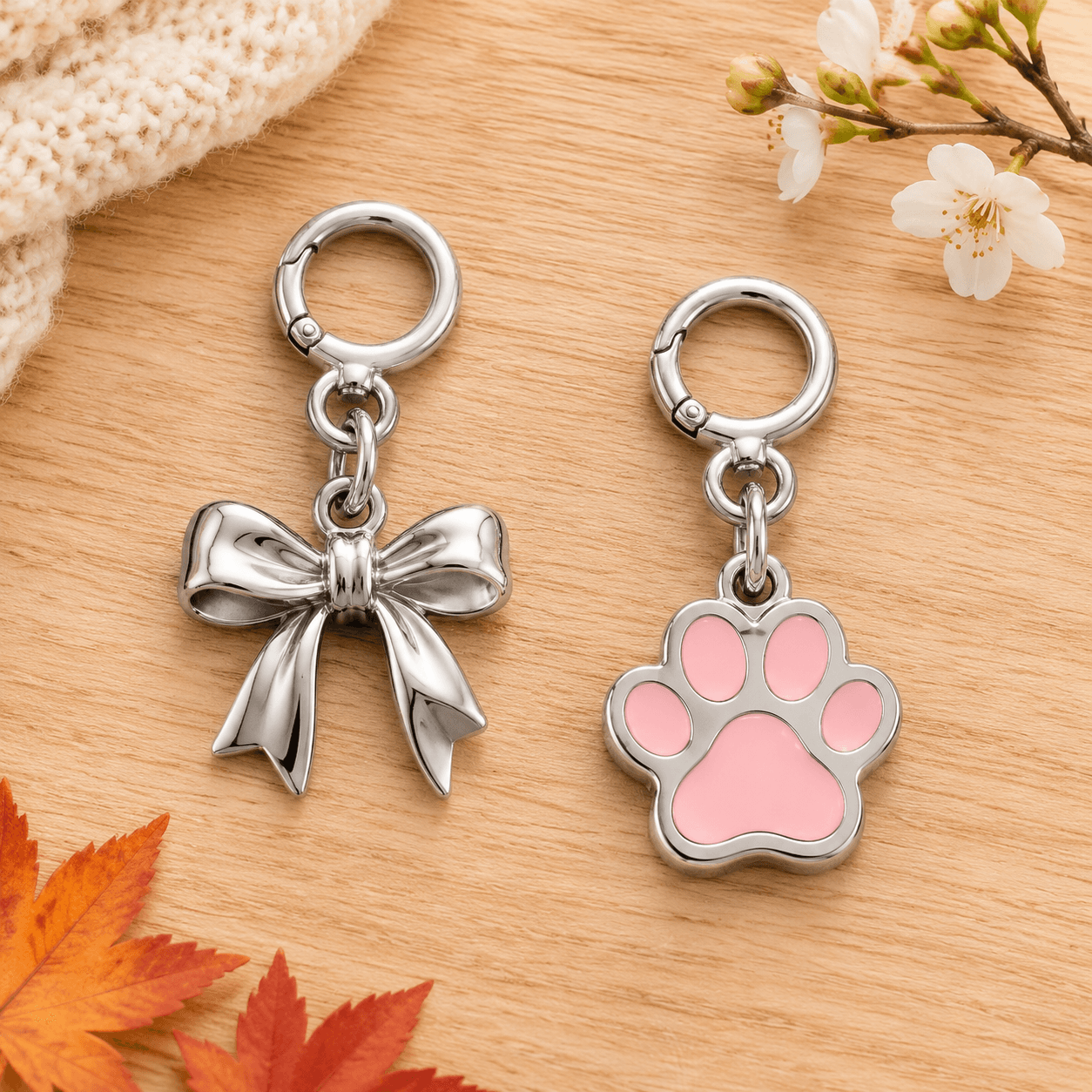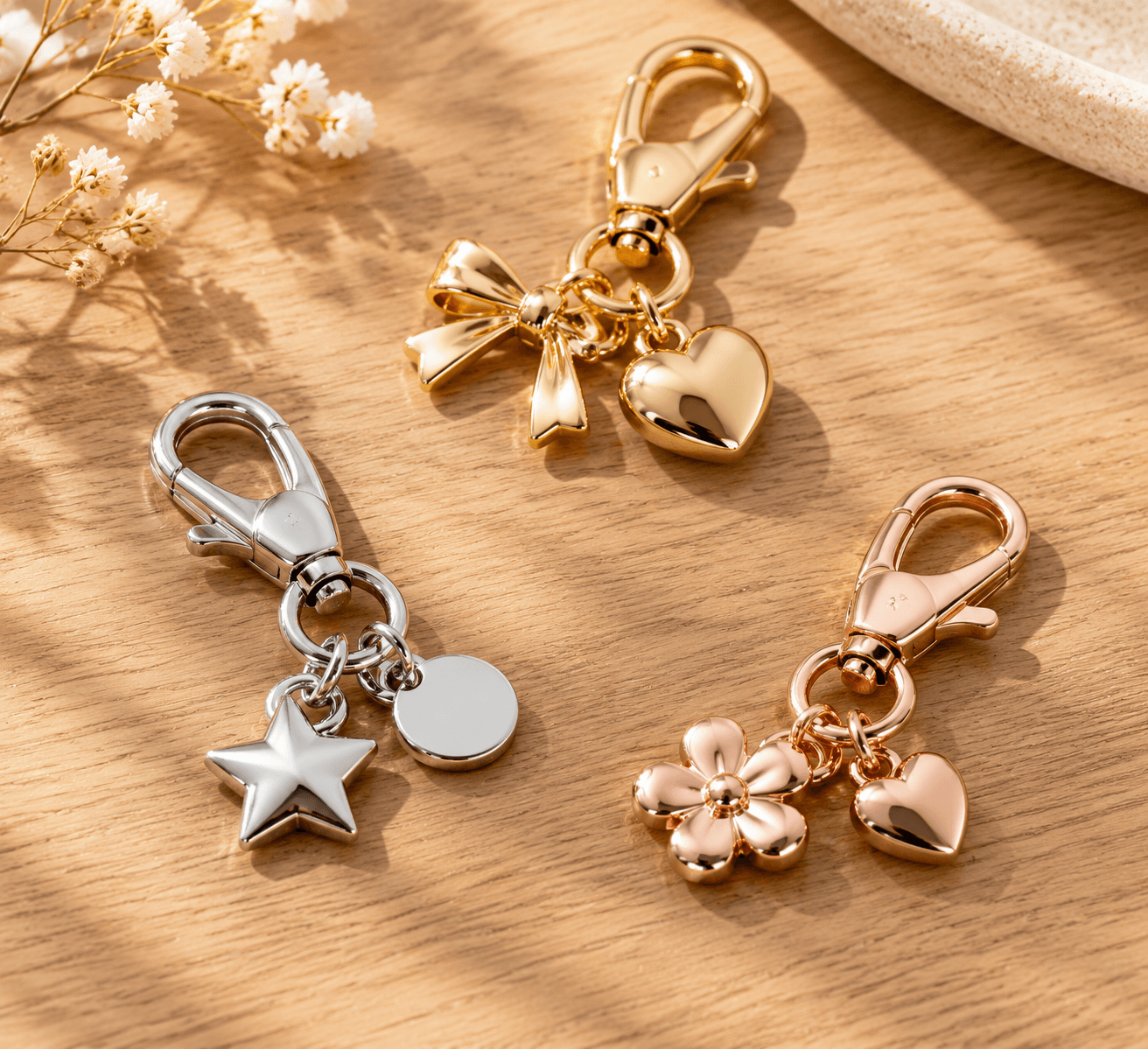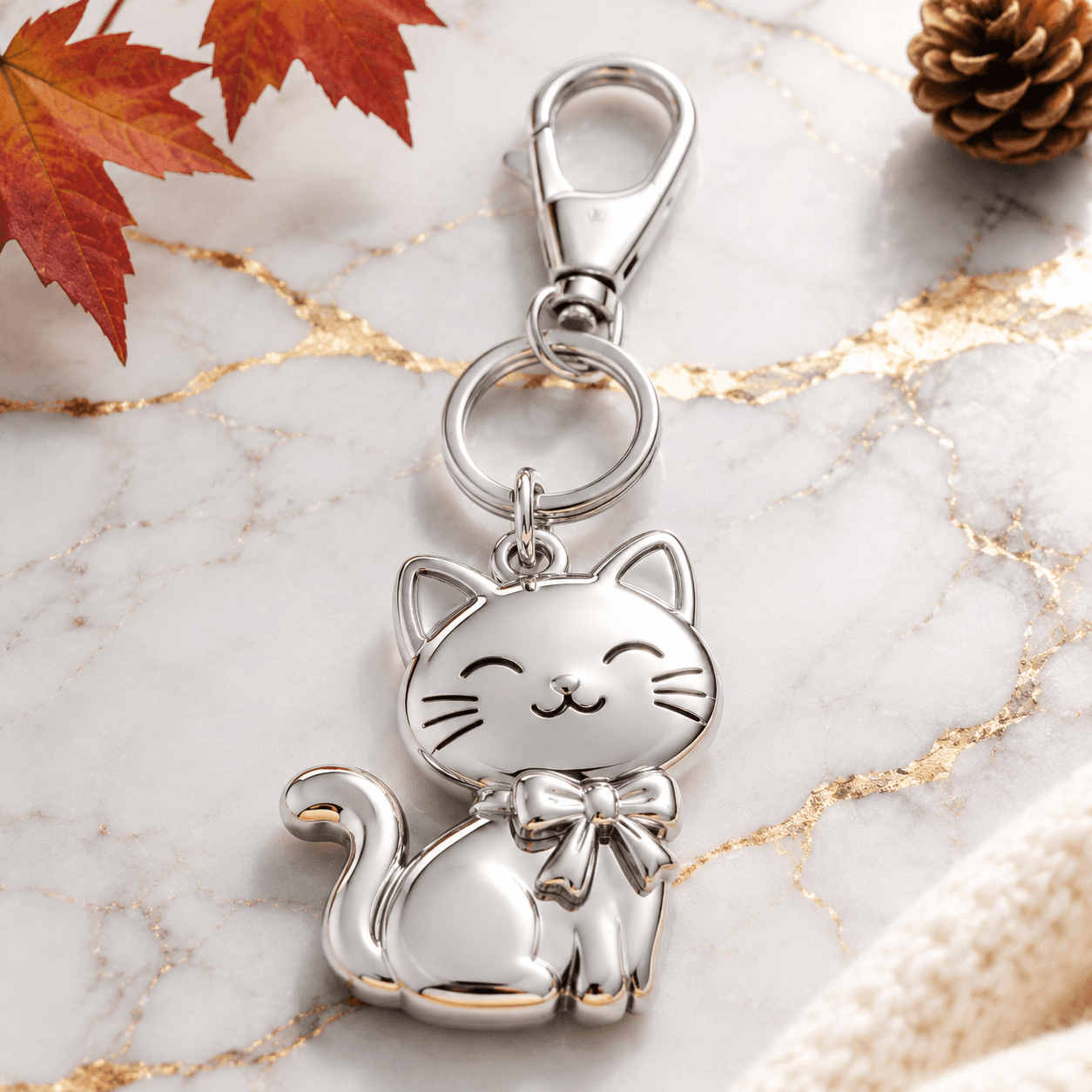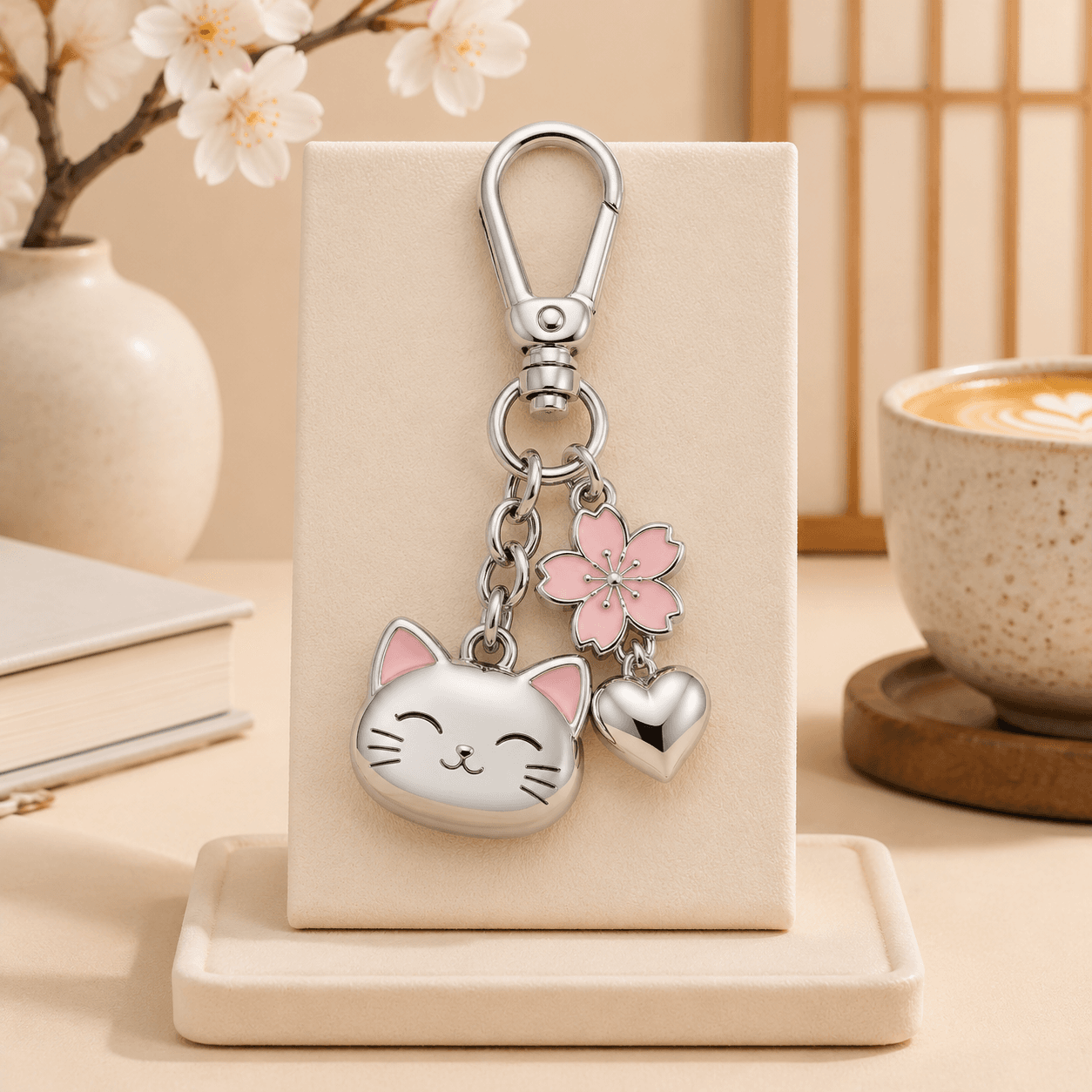
Finding a reliable stainless steel cute bag charm supplier in China is not a catalog-shopping exercise. It is a compliance and durability audit. Procurement teams need documented material grades, repeatable PVD finishes, tested attachment hardware, and clear private-label controls. This checklist gives sourcing managers a practical framework for vetting a 316L stainless steel charms manufacturer before placing bulk charm orders. Use it to separate factory-direct capability from trading-company claims.
How to Audit a Stainless Steel Cute Bag Charm Supplier in China
Start with a written specification, then verify every claim against samples, reports, and production evidence. The goal is not to find the lowest quote. It is to qualify a supplier that can deliver consistent 316L stainless steel charms across repeated orders and markets. A disciplined audit protects your margin, your delivery schedule, and your brand reputation.
1. Lock the Material and Product Specification
Ambiguity is the most common source of quality disputes in charm sourcing. Put every requirement into the RFQ, purchase order, and approved sample record. Require written confirmation that the base material is 316L stainless steel, not a generic or mixed substitute.
- Base material: Require 316L stainless steel in the PO, drawings, and material certificate. Reject vague descriptions such as stainless steel without grade confirmation.
- Product form: Define charm size, thickness, front design, bail or jump ring diameter, and attachment method. Confirm the connector is threaded through a real hole or loop.
- Finish: Specify PVD gold plating, silver finish, or rose gold plating; include color tolerance and wear expectations.
- Decoration: Detail enamel color filling or crystal inlay placement, depth, and retention requirements.
- Branding: Approve logo engraving size, depth, and placement on the charm or packaging.
- Packaging: Provide private-label artwork, barcode rules, polybag warnings, and carton marks.
2. Verify Material Traceability and Compliance Documents
Certificates are only useful when they match the exact product, finish, and production period. Ask for complete reports, not screenshots. For stainless steel charms sold into the US, EU, UK, AU, CA, and other regulated markets, documentation must be ready before purchase orders are confirmed.
- Request SGS test reports for RoHS, REACH, Nickel Release EN1811, and Salt Spray 240H.
- Match report dates, product descriptions, and finish types to your order. A generic certificate is not enough.
- Ask how 316L stainless steel is segregated from other metals on the factory floor.
- Confirm that PVD plating and enamel processes are controlled in-house or by an approved partner.
- Keep a compliance file per SKU and refresh it when the finish or packaging changes.
3. Test Wear Resistance, Attachment Strength, and Longevity
A bag charm is a handling product. It contacts hands, fabrics, keys, and bag hardware, so finish durability and connector strength matter more than catalog appearance. Define tests before mass production and repeat them on each shipment.
- Salt spray: Confirm 240H salt spray performance for the approved finish, especially for gold plated and rose gold plating.
- Adhesion: Use cross-hatch or tape tests to check PVD adhesion; review color shift after abrasion.
- Pull test: Apply a defined pull force to the bail, jump ring, and charm body. Record any deformation or opening.
- Enamel and crystal: Check chipping, scratching, and stone retention after drop and rub tests.
- Color consistency: Compare production samples under daylight and retail lighting; set an acceptable color tolerance.
- Corrosion resistance: Review tarnish and spotting after humidity or sweat exposure, especially for bag charms that contact hands, fabrics, and keys.
4. Audit the Factory and Quality System
Do not qualify a supplier from a product catalog alone. Audit the process that creates the product. For custom stainless steel charms, the critical controls are material receiving, welding and polishing, plating, decoration, and final inspection.
- Review CNC, laser cutting, laser marking, welding, and polishing capability during a live or recorded factory tour.
- Check incoming material inspection, in-process checks, and final AQL inspection records.
- Ask for the corrective-action log and defect trend data for plating, welding, and enamel.
- Confirm sample development workflow: drawing review, 3D render, prototype, fit check, and approval.
- Identify which processes are subcontracted. Uncontrolled subcontracting raises durability and compliance risk.

5. Confirm Commercial Controls for OEM and Private Label Programs
Quality is inseparable from commercial discipline. A supplier that cannot control specifications, approvals, and change notices will struggle to control production. Confirm the terms that protect your launch schedule and repeat orders.
- Request a clear RFQ with MOQ, sample fee, tooling cost, lead time, and payment terms.
- Confirm that low MOQ charm production is available for market tests, with a path to scale.
- Set approval gates: pre-production sample, golden sample, mass-production check, and final inspection.
- Document packaging artwork approval and private label charms labeling requirements.
- Agree on rework, replacement, and warranty terms for finish defects or attachment failures.
Why Quality Audits Matter for Bag Charm Programs
Audits turn supplier promises into measurable controls. They also give procurement teams a shared language for engineering, compliance, and merchandising. When audits are skipped, small finish variations and attachment failures become expensive returns after the goods leave the factory.
Protect Brand Consistency
Boutique brands sell coherence. A PVD gold plating batch that is visibly warmer than the approved standard can break a coordinated charm bar series. An audit confirms color standards, surface finish, and dimensional tolerances before bulk charm orders begin.
Reduce Returns and Rework
Bag charms are touched, clipped, and re-clipped. A weak jump ring or poor enamel edge becomes a customer complaint. Pull tests, salt spray checks, and AQL inspection reduce failure rates and protect your after-sales budget.
Meet Market Access Requirements
Different markets ask for different evidence, but the core documents are consistent. SGS certified testing for RoHS, REACH, Nickel Release EN1811, and Salt Spray 240H gives buyers a reliable baseline for compliance conversations and retailer onboarding.
Support Repeatable Wholesale Stainless Steel Charms Orders
Repeat orders are where suppliers prove themselves. Audited processes, controlled material lots, and documented approvals make it easier to scale from a sample run to wholesale stainless steel charms without changing the customer experience.
Seven-Step Supplier Qualification Checklist
Use this concise checklist in your supplier scorecard. Score each item as pass, conditional, or fail, and attach evidence to the evaluation. A supplier should not move to mass production until every critical item is closed.
- Material proof: 316L grade certificate, mill traceability, and batch identification are available.
- Specification control: Drawings, approved samples, finish standards, and packaging artwork are version-controlled.
- Compliance file: SGS reports cover RoHS, REACH, EN1811, and 240H salt spray for the exact finish.
- Durability validation: Pull, abrasion, adhesion, drop, and color-consistency tests are documented.
- Process audit: CNC, laser, welding, polishing, PVD, enamel, and inspection controls are verified.
- Commercial clarity: MOQ, sample development timeline, lead time, and change-notice rules are in writing.
- Shipment release: AQL report, packaging check, and golden-sample comparison are required before dispatch.
Frequently Asked Questions
How can I verify that charms are made from 316L stainless steel?
Ask for a grade-specific material certificate, match it to the production batch, and review how the factory segregates 316L stainless steel from other metals. A supplier that cannot connect documentation to the actual order is a high-risk source.
What testing should a supplier provide for PVD plated bag charms?
At minimum, request Salt Spray 240H, PVD adhesion, abrasion, and color-consistency results. For markets with nickel restrictions, include Nickel Release EN1811. Also test the bail and jump ring with a defined pull force.
What MOQ should I expect for private label charms?
MOQ depends on design complexity, decoration, and packaging. Many factories set higher minimums for custom tooling and enamel work, but a competitive stainless steel charms manufacturer should offer a practical low MOQ path for market testing and scale-up.
How long should sample development take?
A clear drawing and reference sample usually allow proto sampling within a defined review cycle, followed by finish and packaging approval. Confirm the timeline in the RFQ and require a golden sample before bulk production.
Partner With Lancy Jewelry for Audit-Ready Charm Production
Lancy Jewelry is a B2B OEM/ODM 316L stainless steel charms manufacturer for boutique brands and private-label buyers. Our factory supports CNC, laser cutting, laser marking, welding, and polishing, with PVD gold plating, silver finish, rose gold plating, enamel color filling, crystal inlay, logo engraving, and private-label packaging. We provide SGS certified documentation for RoHS, REACH, Nickel Release EN1811, and Salt Spray 240H.
If you are building a bag charm program, use our OEM Service to review custom development, send your specification through Request a Quote, or contact our sales team for an RFQ. You can also browse All Products to plan a coherent charm bar series with sample development and low MOQ support.