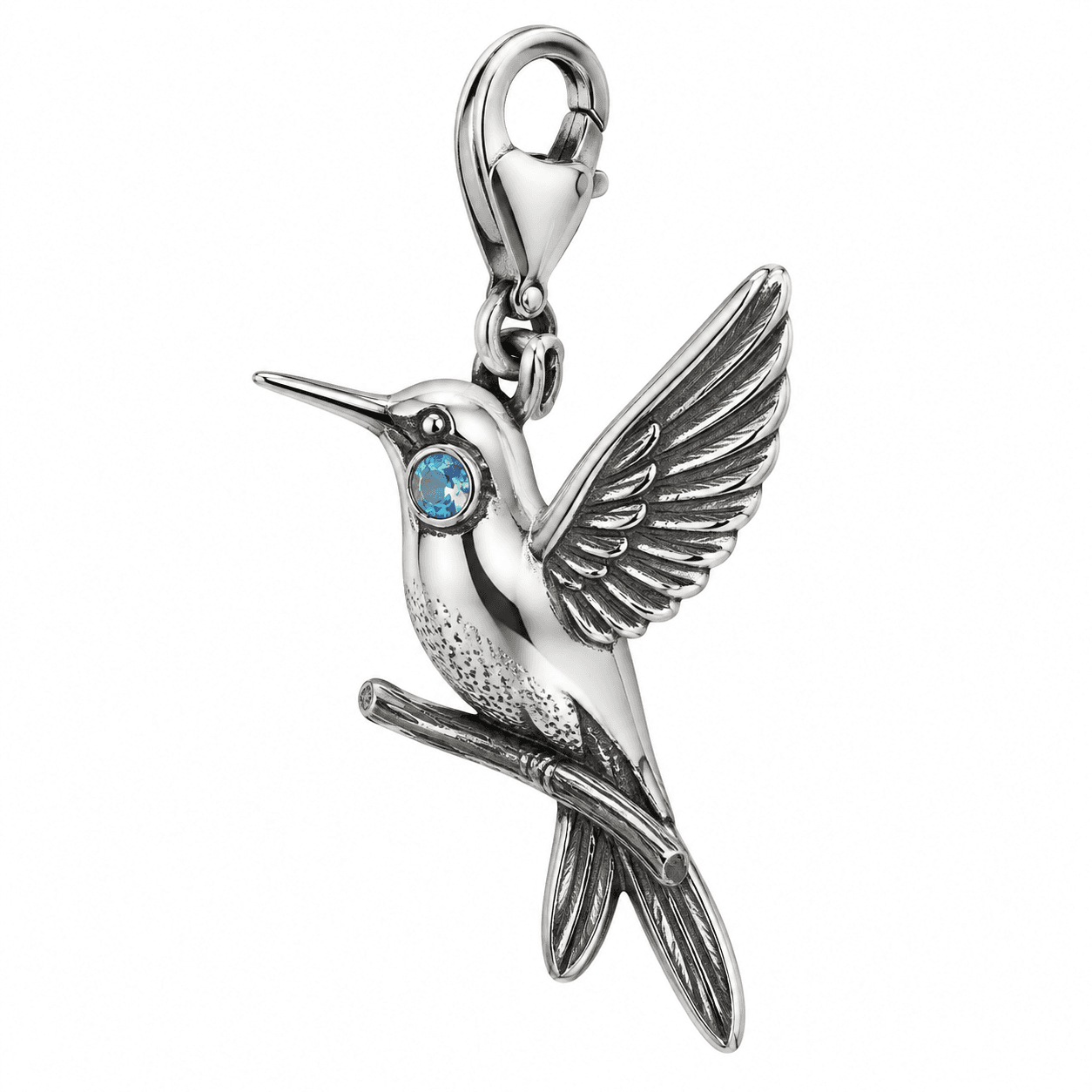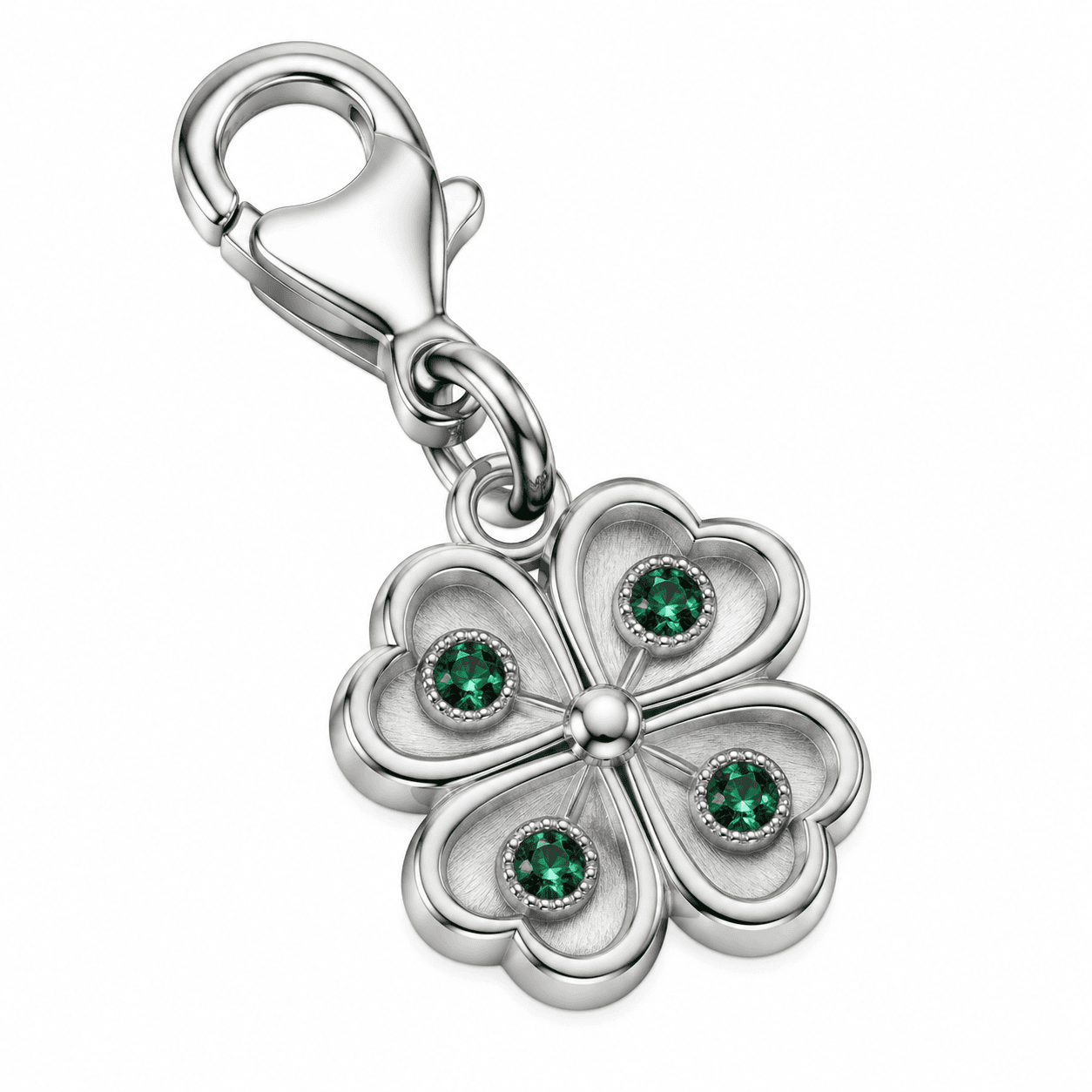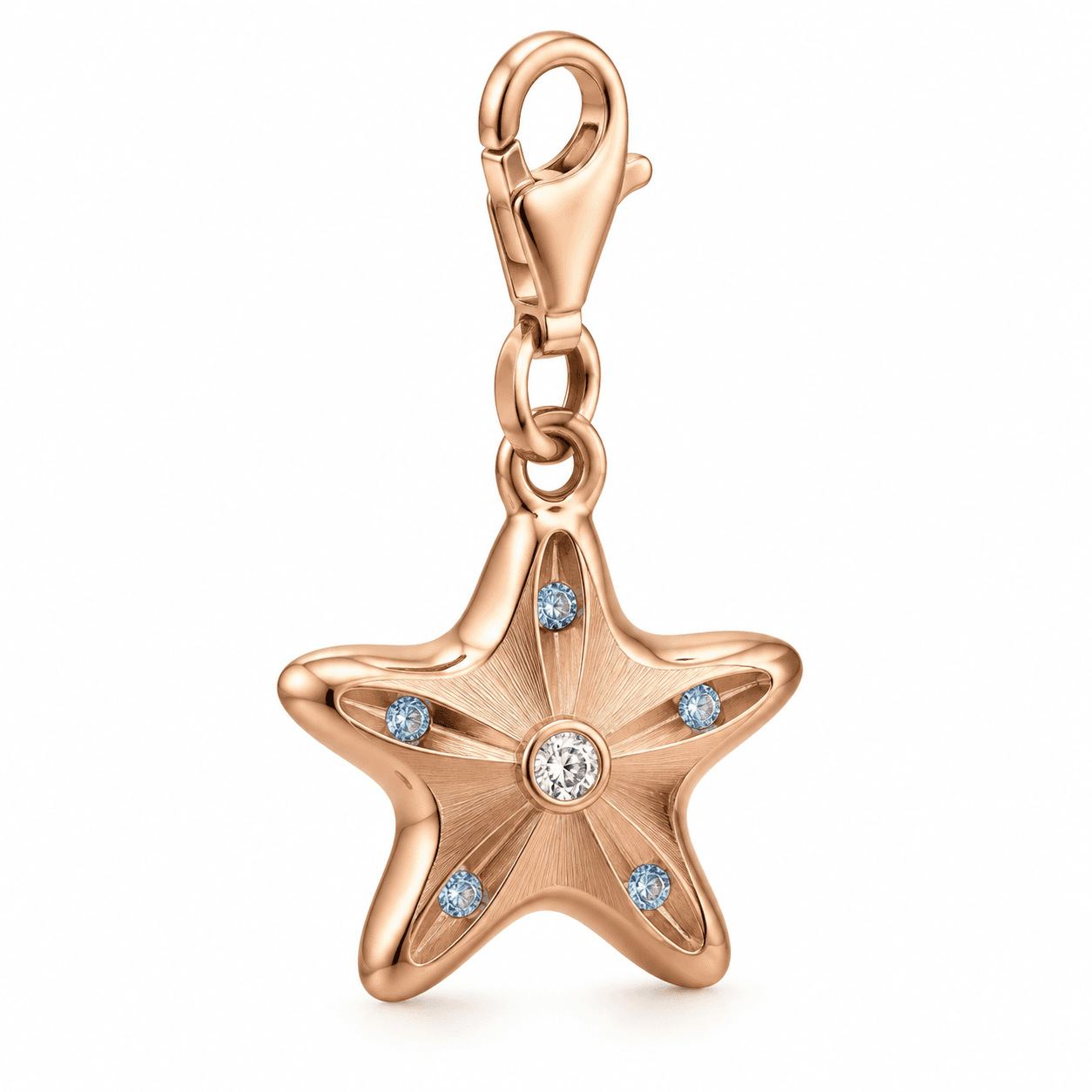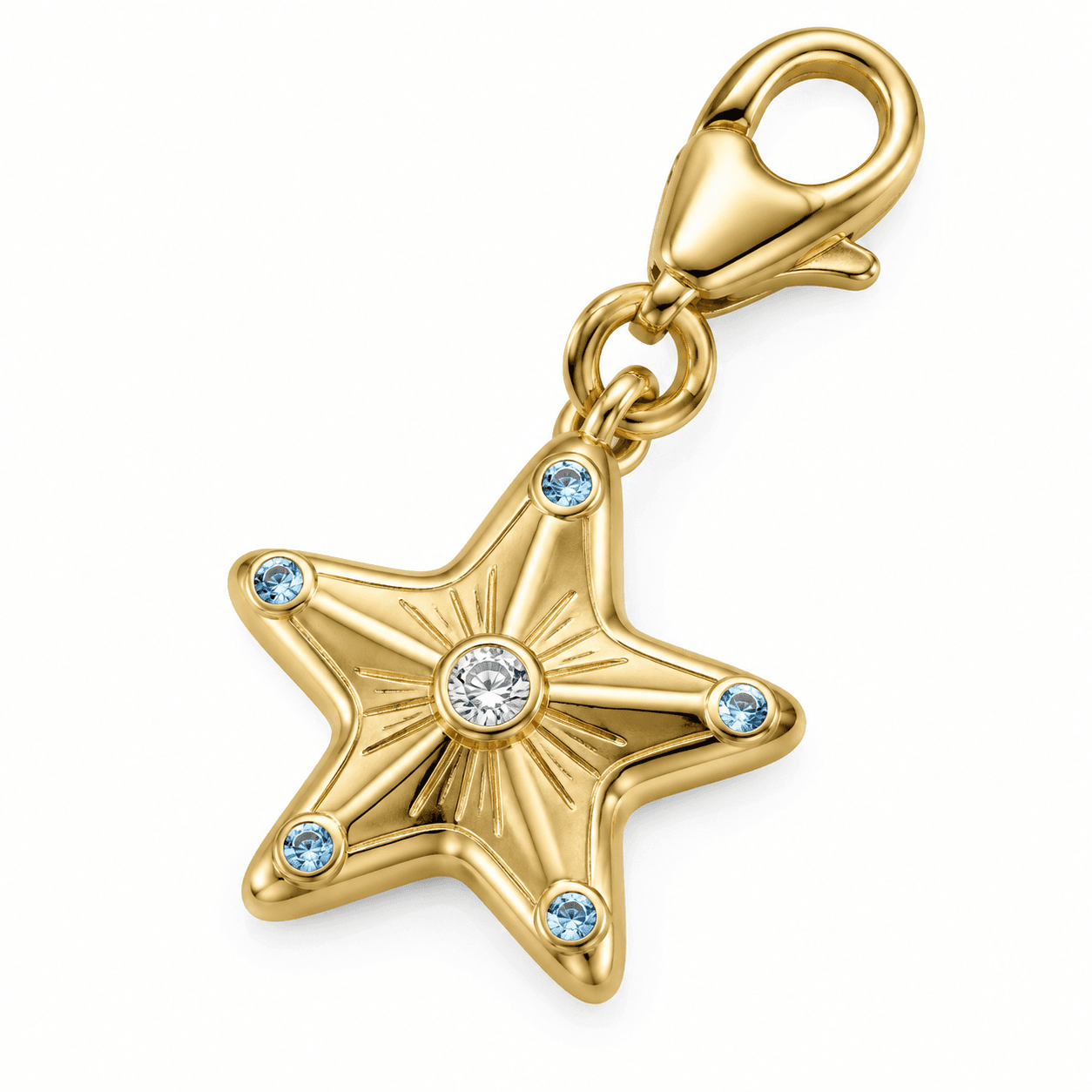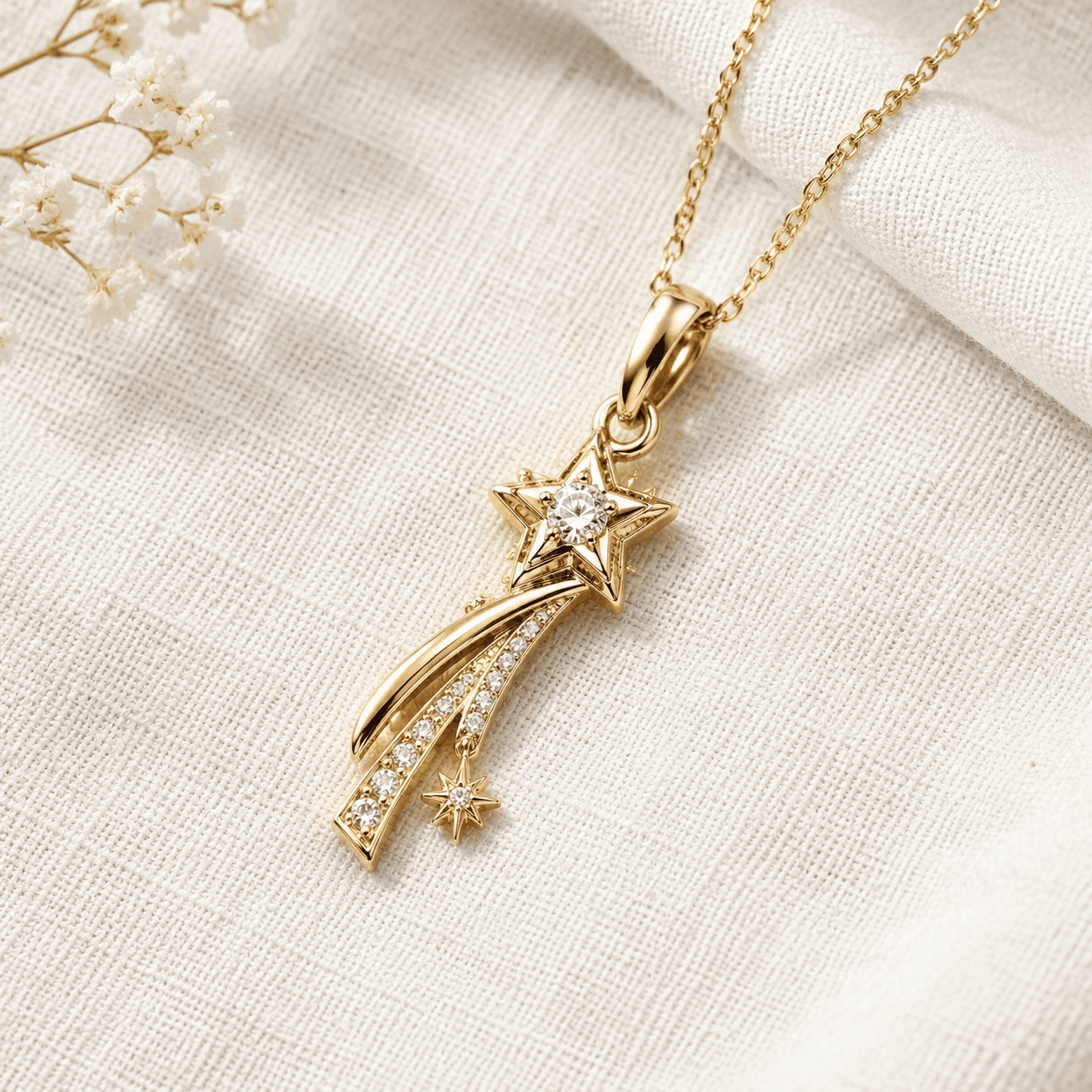
Lucky charms shooting star designs bring together movement, optimism, and celestial symbolism in a compact decorative form. For jewelry designers and boutique buyers, a shooting star charm can become a focal point for a seasonal assortment, a personalized gift program, or an everyday jewelry collection. Its recognizable silhouette works across necklaces, bracelets, bangles, earrings, and charm bar accessories when proportions, finishes, and attachment details are planned carefully.
Lancy Jewelry develops 316L stainless steel charms for B2B buyers seeking reliable manufacturing, flexible customization, and consistent presentation across a coordinated collection. PVD gold plated finishes, silver finish, rose gold plating, enamel color filling, crystal inlay, and logo engraving provide practical ways to differentiate a shooting star design without changing its underlying material. Through OEM and ODM development, buyers can explore shape variations, surface treatments, packaging options, and production quantities that suit their market.
This visual styling guide explains how to build a cohesive lucky charms shooting star assortment, evaluate technical details, and prepare designs for sampling. From selecting a silhouette to reviewing plating quality and planning private-label packaging, the goal is to help jewelry designers translate a creative direction into a manufacturable product. Explore the Lancy product catalog for broader collection planning, or review OEM manufacturing services to discuss custom development.
Lucky Charms Shooting Star: Start With the Silhouette
Build the visual story around a recognizable star
A successful lucky charms shooting star design begins with a clear silhouette. The star, curved trail, and overall direction of movement should remain recognizable at the finished size. For bracelet and bangle applications, a charm measuring approximately 0.4–0.6 inches (10–16 mm) is a useful starting point for proportion studies. Larger formats can work for necklace focal points, while compact versions suit delicate arrangements. These dimensions are development guidelines rather than fixed manufacturing limits; final sizing depends on the design, wall thickness, attachment geometry, and intended use.
For an image-driven collection, compare three design directions: a clean five-point star with a tapered trail, a six-point star with a defined central detail, and a curved shooting-star silhouette with a small accent element. Keep the outer contour simple enough to read at a glance. Excessively narrow points or sharp internal corners may complicate finishing, reduce visual consistency, or create areas that are difficult to polish. During OEM development, a designer can supply a sketch or dimensioned drawing so the manufacturer can review the outline before creating a sample.
Think of each image as a merchandising decision. A centered product photograph communicates shape, finish, and construction; a macro detail highlights enamel boundaries, crystal placement, or engraving; and a scale image using a neutral display tray or packaging card helps buyers understand the charm's actual proportions. Keep the complete charm visible, include realistic shadows, and show a bail or jump ring only when it is physically connected through a real hole or loop. This visual discipline makes product comparisons more useful for sourcing teams and reduces uncertainty when approving a new design.
Design review checklist
- Confirm the star count, trail direction, outline thickness, and overall dimensions.
- Check that the attachment hole or loop has sufficient clearance for the intended connector.
- Choose a front-facing design that remains legible in small product photographs.
- Prepare a scale reference image before finalizing assortment photography.
Choose Finishes and Details for a Cohesive Shooting Star Collection
Coordinate color, surface treatment, and focal details
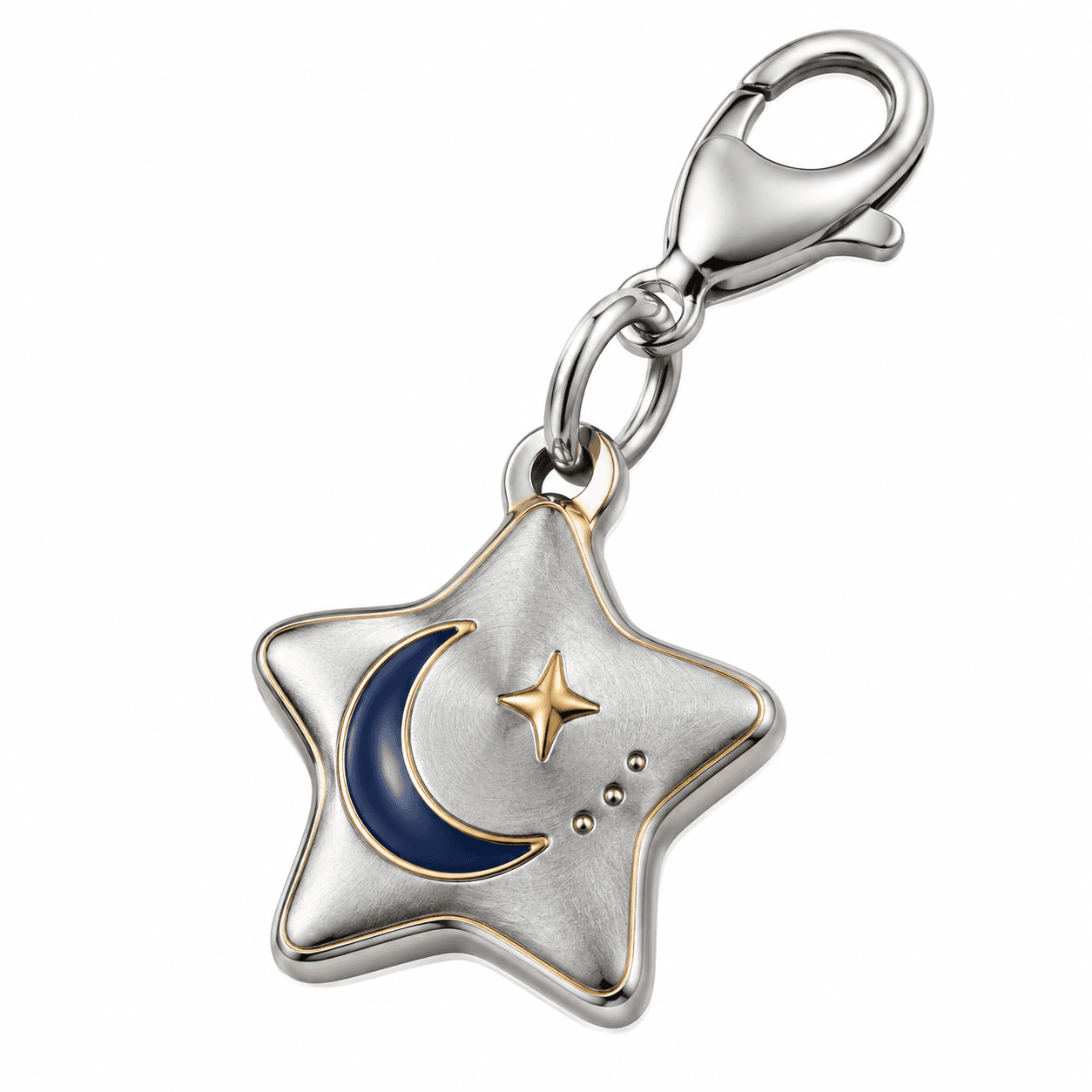
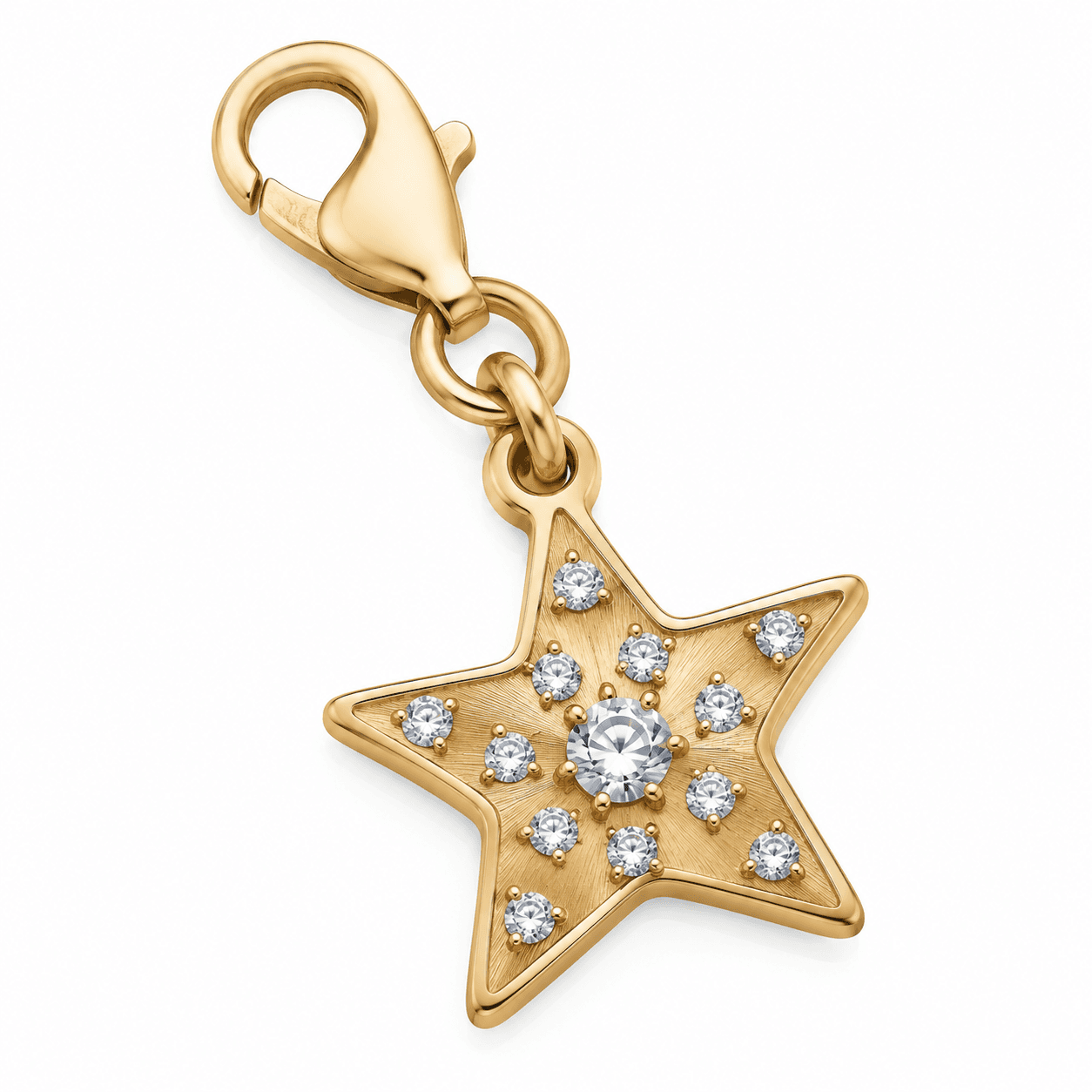
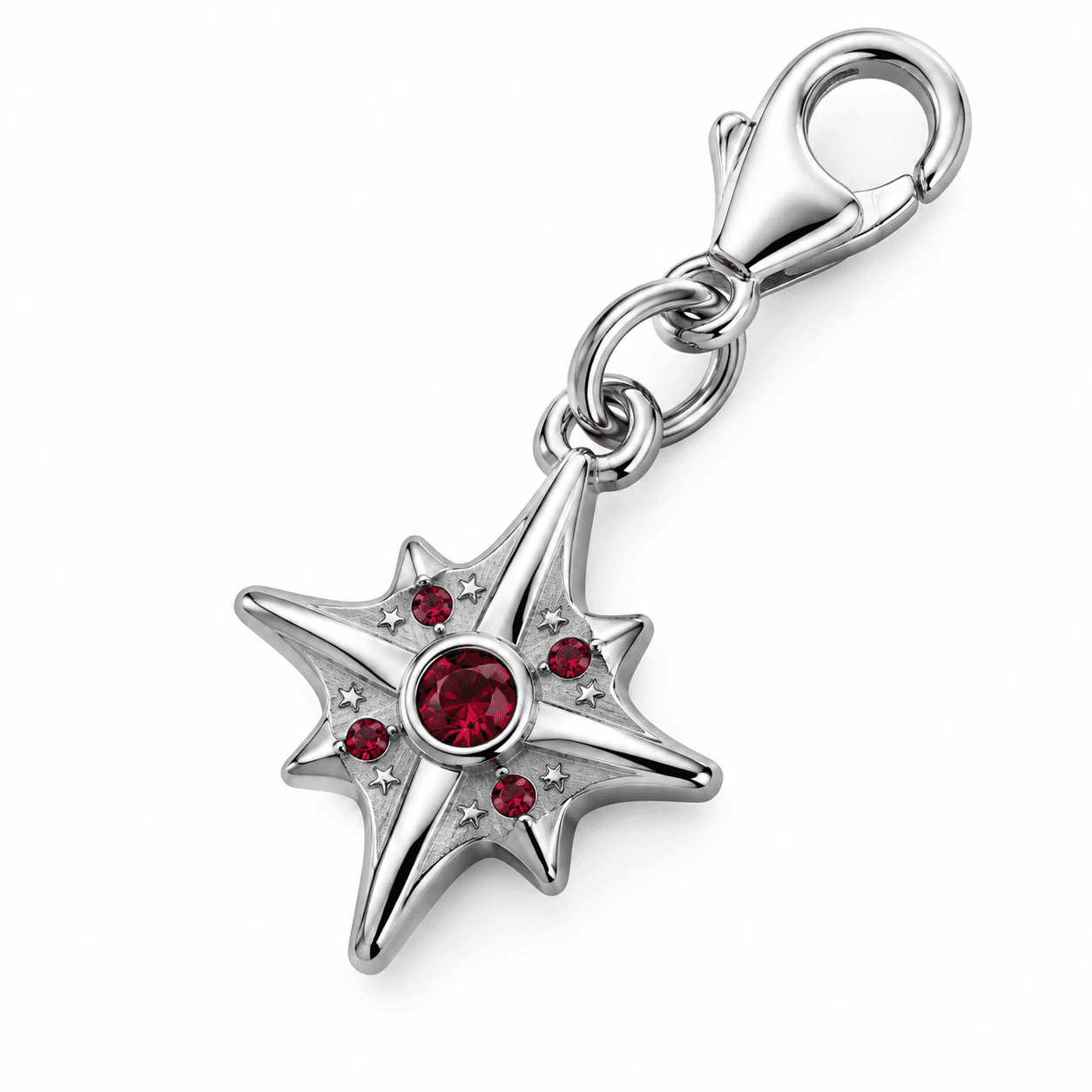
The finish determines how a lucky charms shooting star reads within a broader jewelry assortment. A PVD gold plated surface can establish a warm, polished appearance, while a silver finish creates a cooler visual direction. Rose gold plating offers a softer color option, and enamel color filling can emphasize the star or its trailing arc. Crystal inlay introduces a concentrated point of light, especially when placed in the star center or along a deliberately selected section of the trail. For a coordinated series, establish one primary finish and one or two controlled accent options instead of introducing too many unrelated treatments.
316L stainless steel is the required base material for Lancy Jewelry charms. Its chromium-containing composition supports the formation of a passive surface film that helps resist corrosion under suitable conditions. Actual performance depends on product geometry, surface preparation, processing, environmental exposure, and care. PVD is a surface-coating process rather than a change to the base material. Buyers should therefore evaluate the base specification and the finish specification separately, documenting the required appearance, acceptable color variation, surface condition, and inspection method in the product approval record.
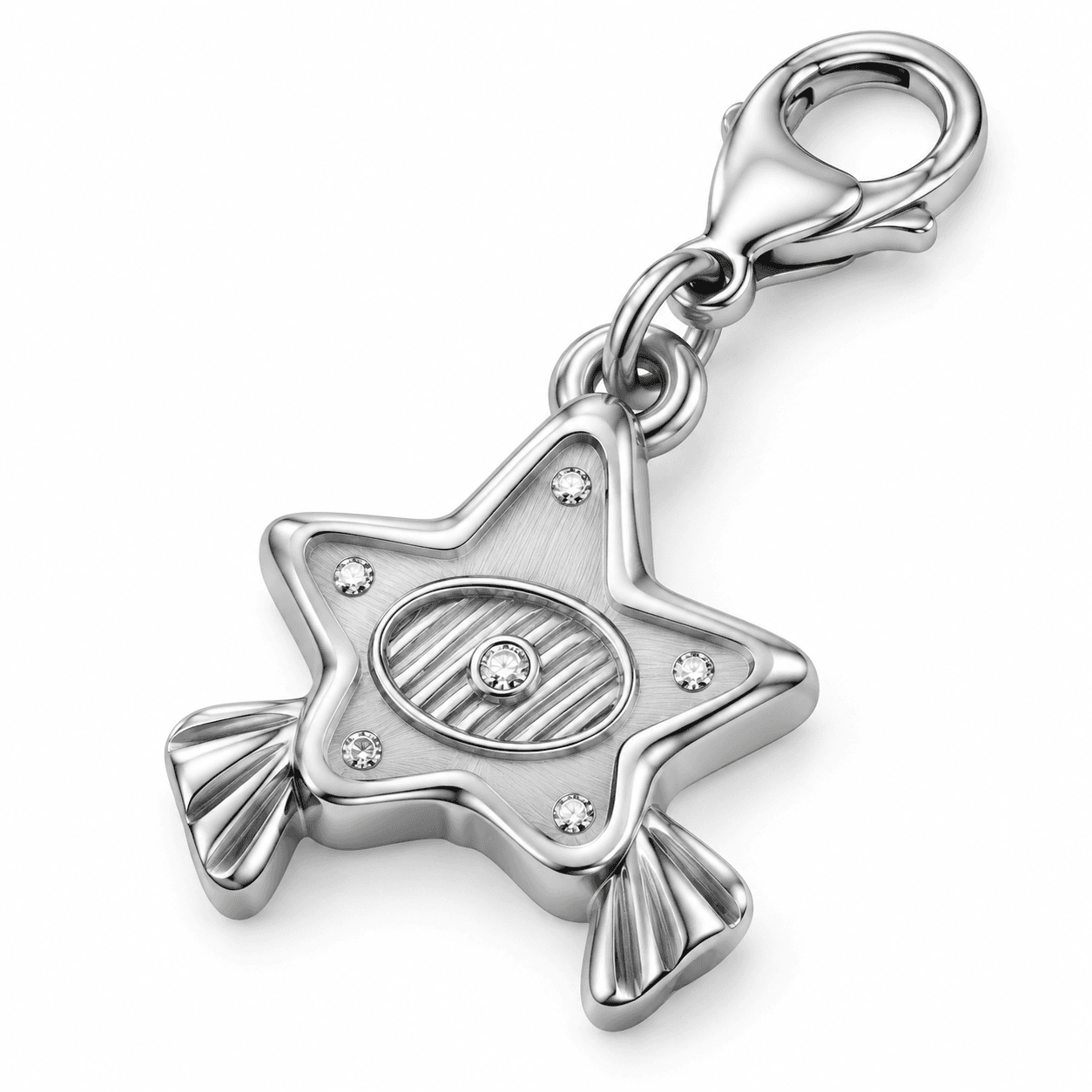
When adding enamel or crystal inlay, consider how the detail will behave at the chosen scale. Enamel areas need clearly defined boundaries and consistent filling, while crystal settings require suitable seat geometry and secure retention. Tiny decorative elements can lose definition if the design is crowded or the surrounding surfaces are difficult to finish uniformly. A prototype helps reveal whether the focal point remains visually balanced after polishing and plating. Review the sample under consistent lighting and from multiple angles, paying particular attention to edges, recessed areas, attachment loops, and the transition between different finishes.
Three visual directions to test
- Minimal celestial: A smooth star outline, restrained surface detail, and a single dominant finish.
- Color-accented: A defined enamel section paired with a contrasting finish for a recognizable focal point.
- Light-catching: A carefully positioned crystal inlay that preserves the silhouette and avoids visual clutter.
For coordinated product planning, explore the Special Symbols collection and consider how star motifs can sit alongside other symbolic designs. Keep each item independently identifiable through its SKU, finish specification, and approved product photograph.
Create a Visual Gallery for Buyers and Product Teams
Use purposeful photography to communicate design decisions
A Pinterest-style visual gallery should help buyers compare design directions rather than simply display decorative imagery. Begin with a catalog hero shot of one complete shooting star charm on a pure white background. Position the charm centrally, preserve clear margins, and make its front design and attachment mechanism easy to inspect. The product should be visually prominent without cropping the outer silhouette or exaggerating its scale. For small charms, a restrained close-up can show the surface texture and edge definition while maintaining realistic proportions.
Follow the hero image with a detail image, a scale reference, and a finish comparison. The detail image can focus on the enamel boundary, crystal setting, or logo engraving. The scale reference may use a packaging card, display tray, or neutral ruler grid. A finish comparison should photograph the same approved geometry under consistent lighting so differences in color and reflectivity are not confused with differences in shape. Avoid combining unrelated products into a single image, and do not show loose hardware floating near the charm. Every jump ring, bail, or connector must pass through a real hole or loop and connect in a mechanically plausible way.
For boutique merchandising, a separate lifestyle image can show a clean charm bar display or private-label packaging scene with no more than three clearly separated product components. Neutral styling helps the shooting star remain the visual focus and allows retailers to imagine the design within their own assortment. Use a consistent naming convention for image files and product records, such as design code, finish, view, and revision. This approach helps purchasing, quality control, and marketing teams reference the same approved version during sampling and production. It also supports a clearer handoff when multiple finishes or color treatments are developed from one master design.
Recommended gallery sequence
- Hero: Complete 316L stainless steel shooting star charm on white.
- Macro: Close-up of PVD coating, enamel filling, crystal inlay, or engraving.
- Scale: Charm shown beside a neutral packaging card or measurement reference.
- Finish study: Approved finish options photographed under matching conditions.
- Merchandising: A tidy boutique display or private-label packaging presentation.
This sequence supports clear product evaluation and helps a stainless steel charms manufacturer receive actionable feedback. Browse all available products to identify adjacent shapes and finishes that may support a coordinated visual collection.
Plan OEM Prototypes, Material Verification, and Quality Checks
Translate the creative concept into a repeatable product specification
Before requesting sample development, prepare a concise technical brief for the lucky charms shooting star design. Include a front and side sketch, target dimensions in millimeters or inches, the intended use, the preferred 316L stainless steel specification, finish selection, and details for any enamel, crystal inlay, or logo engraving. Mark the attachment point and identify the connector dimensions that must be accommodated. If the charm will be sold as part of a coordinated range, list the shared design features and the elements that vary by SKU. A clear brief allows the factory to assess geometry, finishing access, assembly requirements, and likely sample revisions before a bulk order is planned.
Material verification and finished-product testing should be treated as separate checkpoints. Request material documentation that identifies the specified 316L stainless steel grade and ask how the supplied material is traceable to the production batch. Where relevant to the destination market and intended use, buyers may request independent laboratory reports or certification documents addressing RoHS, REACH, EN1811, and salt spray performance. SGS is one possible testing and inspection provider; the existence of a named testing provider does not establish that a particular product has passed a particular test. Confirm the report number, tested sample, test method, issue date, scope, and applicable limits before making compliance claims.
Quality checks should also cover appearance and function. Define acceptable color variation, plating coverage, surface defects, enamel filling, crystal retention, engraving legibility, dimensional tolerance, and connector security. Salt spray testing evaluates corrosion behavior under specified test conditions, but it does not guarantee identical performance in every wearing environment. EN1811 relates to nickel release testing for applicable articles intended for direct and prolonged skin contact; applicability depends on the product category and current regulatory requirements. RoHS and REACH address different regulatory concerns, so one report should not be treated as proof of compliance with every requirement. Buyers selling into the United States, Canada, the United Kingdom, the European Union, or Australia should verify the requirements that apply to their product and sales channel.
Prototype-to-production workflow
- Brief: Supply artwork, dimensions, material, finish, logo, and intended use.
- Feasibility review: Check geometry, attachment logic, surface access, and decoration requirements.
- Sample approval: Review appearance, dimensions, finishing, and functional attachment before signing off.
- Quality plan: Agree on inspection criteria, required documents, sampling method, and batch traceability.
- Production release: Confirm the approved sample, packaging specification, quantity, lead time, and shipping requirements.
Lancy supports OEM and ODM development, logo engraving, PVD plating, enamel color filling, crystal setting, private-label packaging, and sample support. Buyers can review the OEM service page to understand the custom manufacturing process and prepare a more complete RFQ.
Build a Commercially Practical Assortment for Boutique Brands
Balance creative variety with manageable sourcing
A strong lucky charms shooting star assortment offers enough variation to serve different customer preferences without creating unnecessary production complexity. Start with one approved master silhouette, then evaluate a small number of controlled variants: a minimal finish, an enamel-accented version, and a crystal-inlay option. This approach allows a retailer to present a recognizable design family while keeping photography, product descriptions, inventory records, and replenishment planning organized. Each variant should have a separate SKU and a defined specification for finish, decoration, packaging, and quality acceptance.
For wholesale stainless steel charms programs, MOQ should be discussed against the actual design and process requirements rather than assumed to be identical for every product. A single base design with several finish or decoration options may require different setup steps, component planning, inspection time, or packaging arrangements. Ask the supplier to clarify whether the MOQ applies per design, per finish, per color, or across a combined order. Low MOQ support can be particularly useful for boutique brands testing a new motif, but feasibility depends on the requested customization, production method, and total order structure. Sample charges, tooling costs where applicable, unit pricing, and repeat-order terms should be recorded separately.
Private-label planning should begin before final sample approval. Confirm whether each charm requires an individual card, barcode, SKU label, protective packaging, or a coordinated presentation format. Supply approved artwork in the requested file format and specify logo placement, print dimensions, color references, and packaging quantities. Ask for a quotation that distinguishes product cost, decoration, packaging, sampling, and freight assumptions. If you are sourcing from an ODM charm supplier, clarify which design features can be customized and which are part of an existing production specification. For fully custom development, agree on the approved drawing and sample reference before authorizing a bulk run.
Commercial review checklist
- Define the target retail positioning and planned wholesale quantity.
- Confirm MOQ by design, finish, and decoration option.
- Request sample development timing and the process for revision approval.
- Separate product specifications from packaging and branding requirements.
- Document unit price, production lead time, inspection criteria, and shipping terms in the RFQ.
For additional sourcing guidance, see Birthstone Collection for another potential assortment direction, or review Nature & Botanical when planning complementary motifs. Lancy Jewelry focuses on 316L stainless steel charms, helping buyers maintain a consistent base-material specification across a coordinated range.
Frequently Asked Questions About Lucky Charms Shooting Star Designs
Start Your Shooting Star Charm Development
Turn your lucky charms shooting star concept into a defined product brief with Lancy Jewelry. Our team supports OEM and ODM development for 316L stainless steel charms, including logo engraving, PVD plating, enamel color filling, crystal setting, sample support, and private-label packaging. Whether you are testing a compact boutique assortment or preparing a larger wholesale program, a complete brief helps the factory evaluate design feasibility and provide a more useful quotation.
To request an RFQ, send your design sketch or reference drawing, target dimensions, intended application, preferred 316L stainless steel finish, enamel colors or crystal placement, logo artwork, packaging requirements, estimated order quantity, target market, and desired delivery date. Include the expected MOQ by design and finish if you already have a quantity plan. If you need guidance, identify the elements that are essential and those open to adjustment. Request sample development details, applicable material documentation, relevant test reports, inspection criteria, production lead time, and shipping assumptions as part of the quotation process.
Visit the OEM service page to discuss custom manufacturing, browse all products for additional design directions, or use Contact to reach the Lancy team. You can also submit your inquiry through the RFQ and inquiry page. A clearly documented specification and approved sample provide the foundation for consistent production, practical quality control, and a well-presented private-label collection.
Related resources
Related resources
- OEM / ODM Services
- Custom Stainless Steel Charm Bracelet Tutorial: A Buyer’s Guide to Quality
- How to Choose Durable Stainless Steel Charms for Cross-Border E-Commerce
- Stainless Steel Animal Jewelry Charms Wholesale: Quality Guide
- Lancy Charms Bar
- How to Source Minimalist Stainless Steel Charms: Finishing Guide
- Antique Distressed Finish on Stainless Steel Charms: A Buyer’s Guide to Durability
- Guide: stainless steel flute charms for jewelry making wholesale
- Guide to stainless steel jewelry charms wholesale vintage pictures
- Custom OEM/ODM Guide to Stainless Steel African Jewelry Charms Wholesale