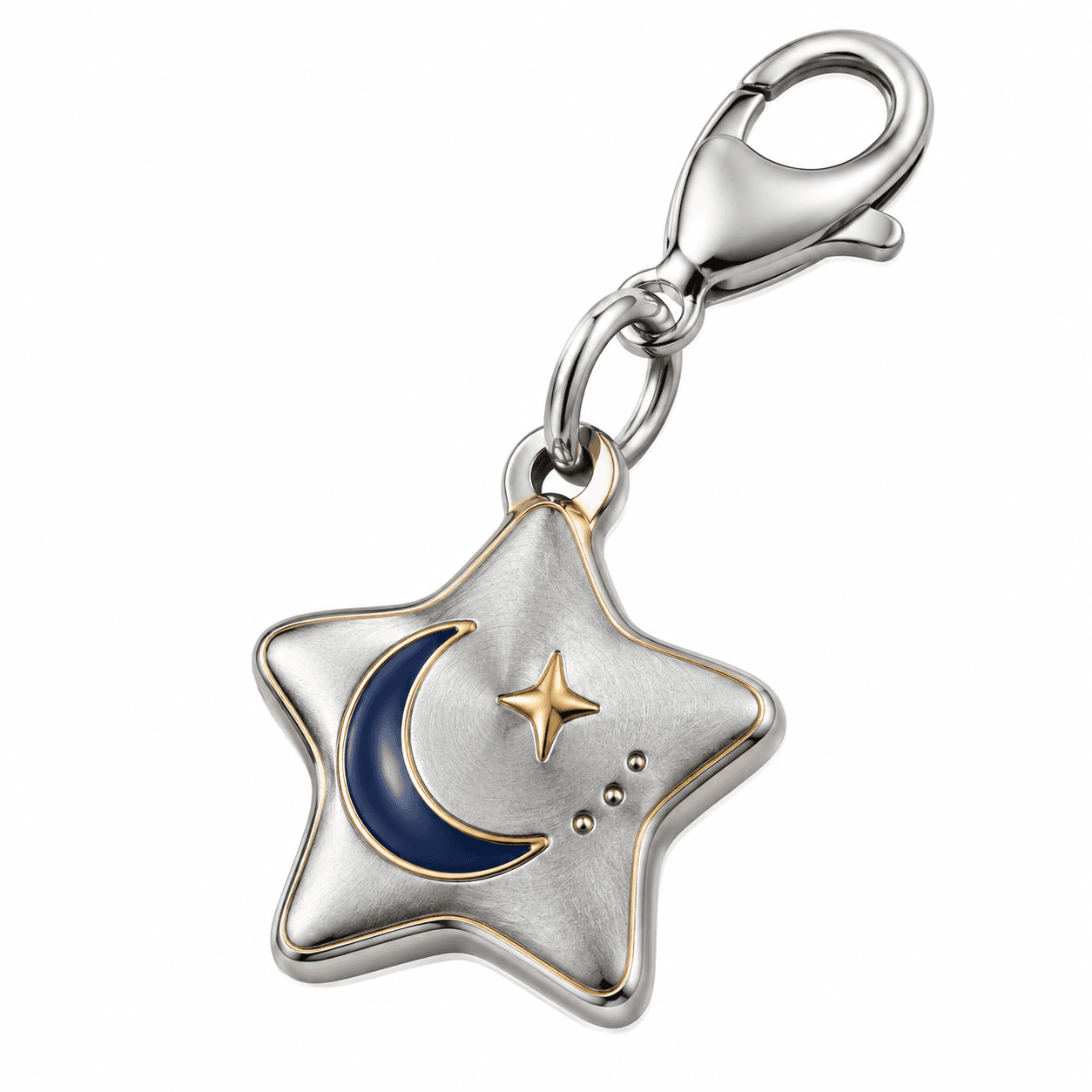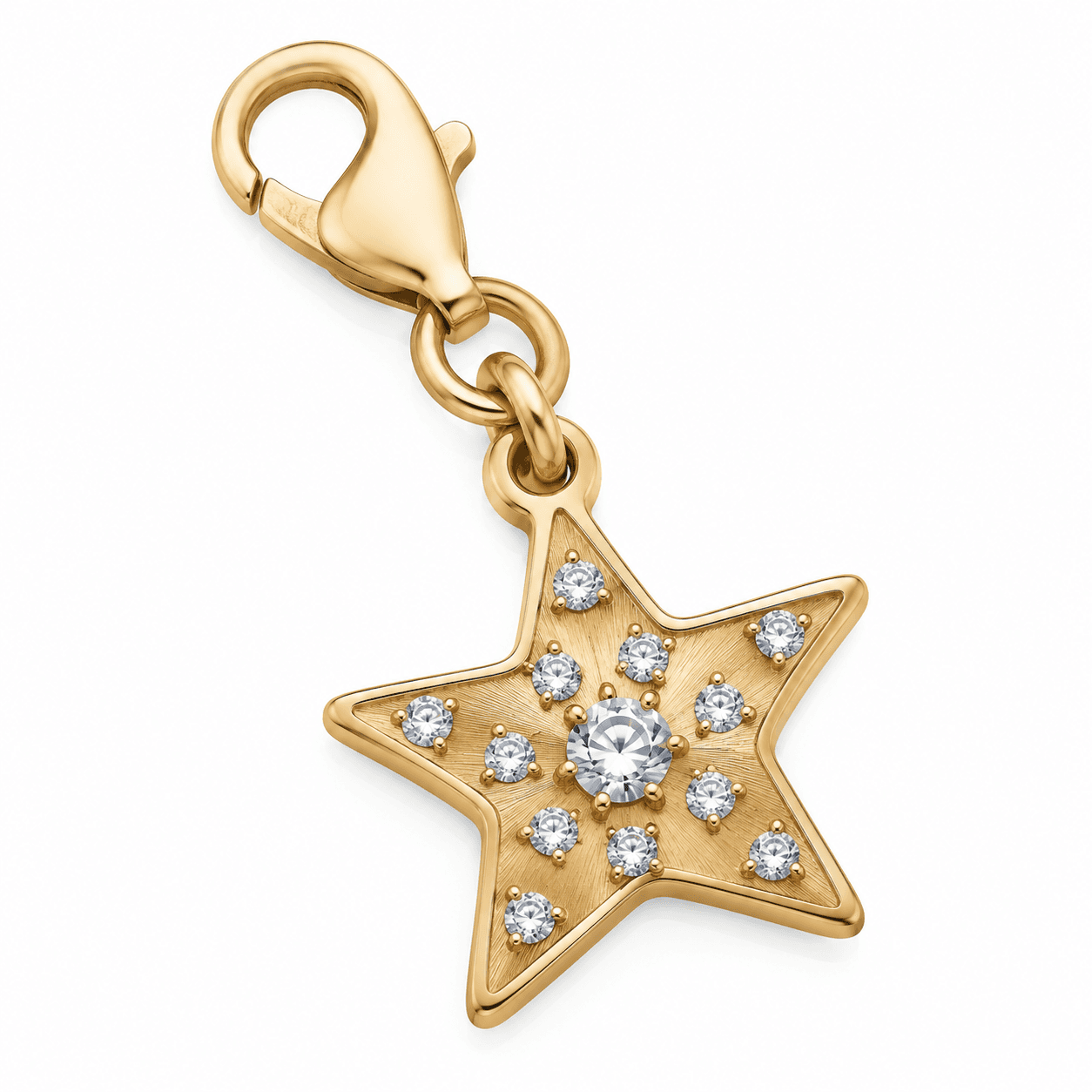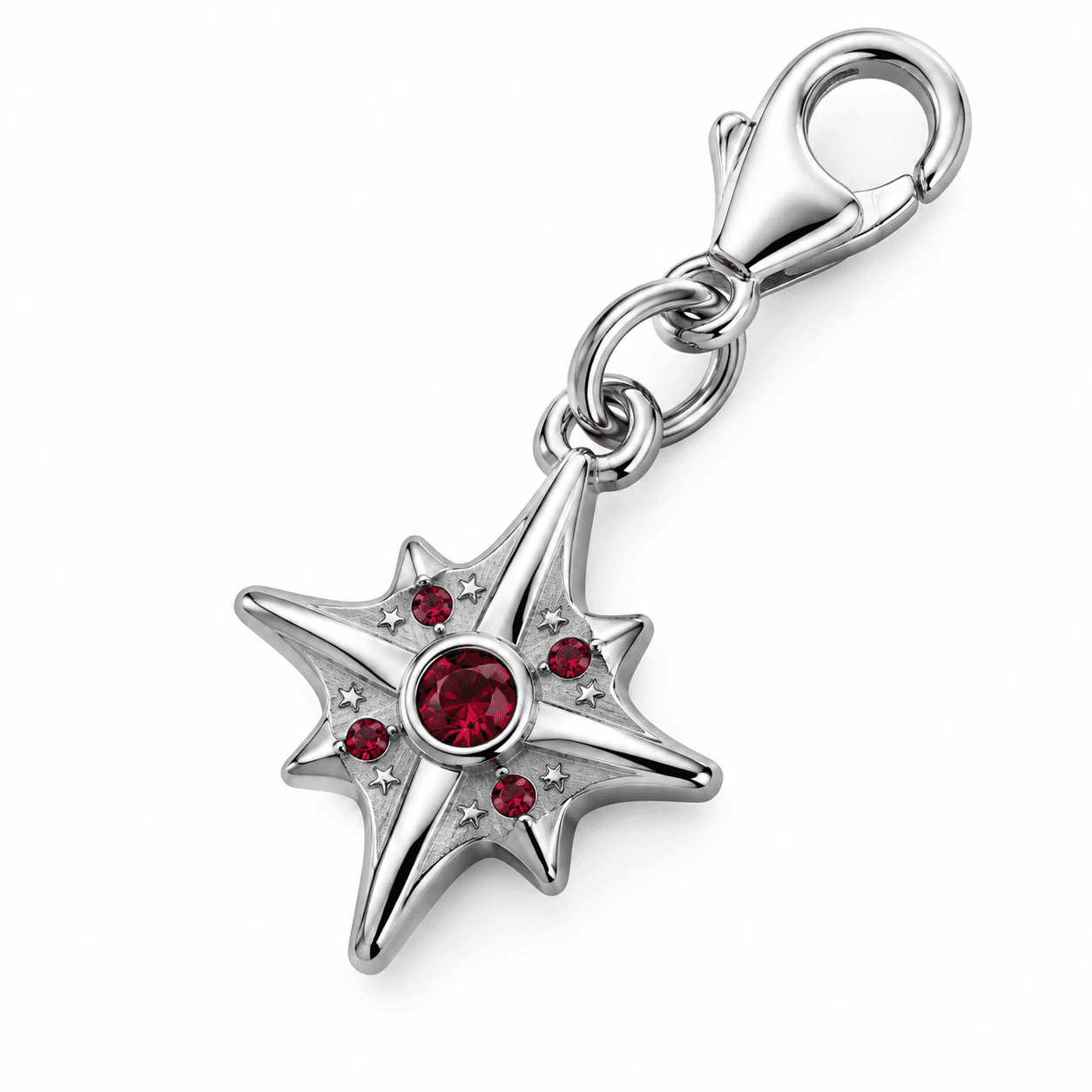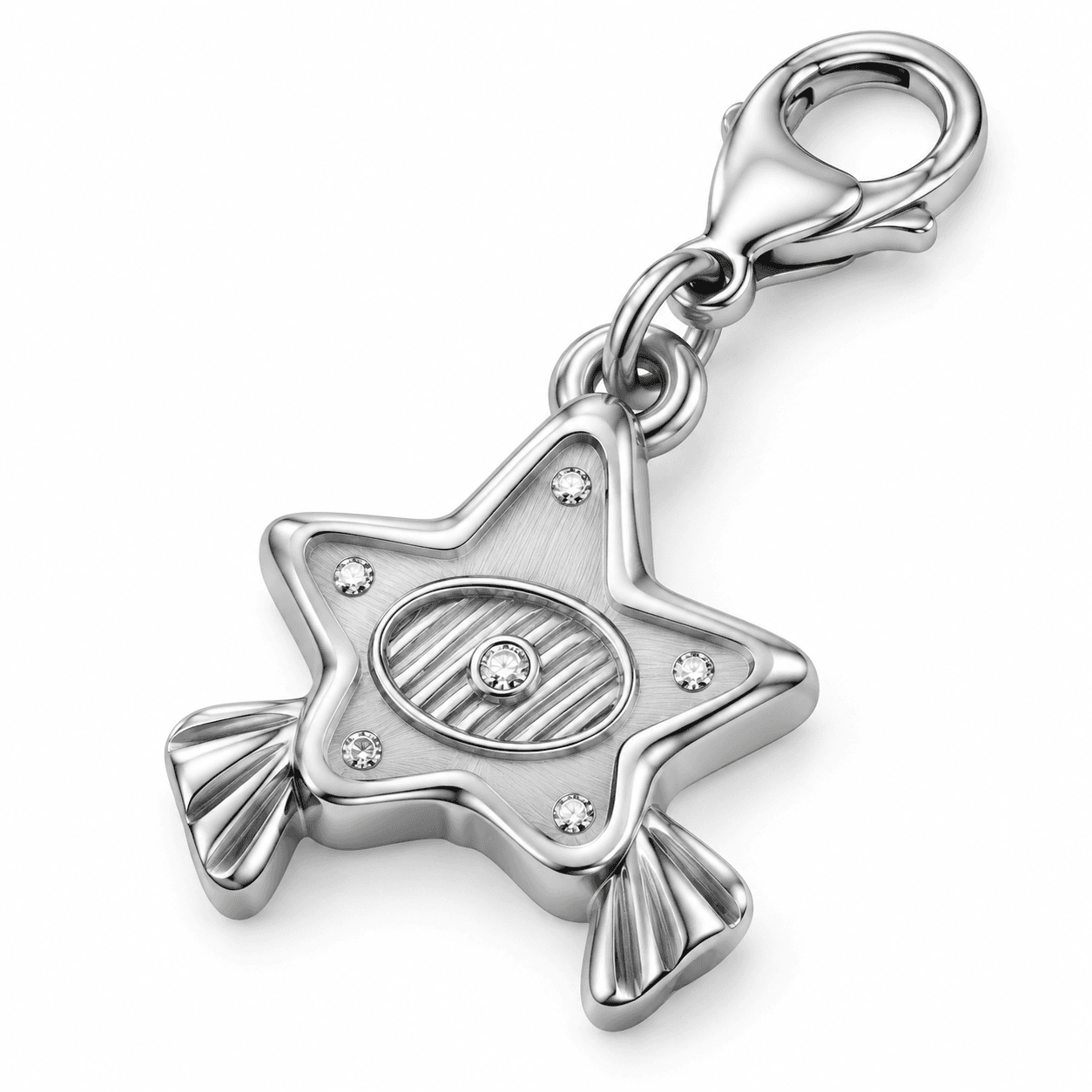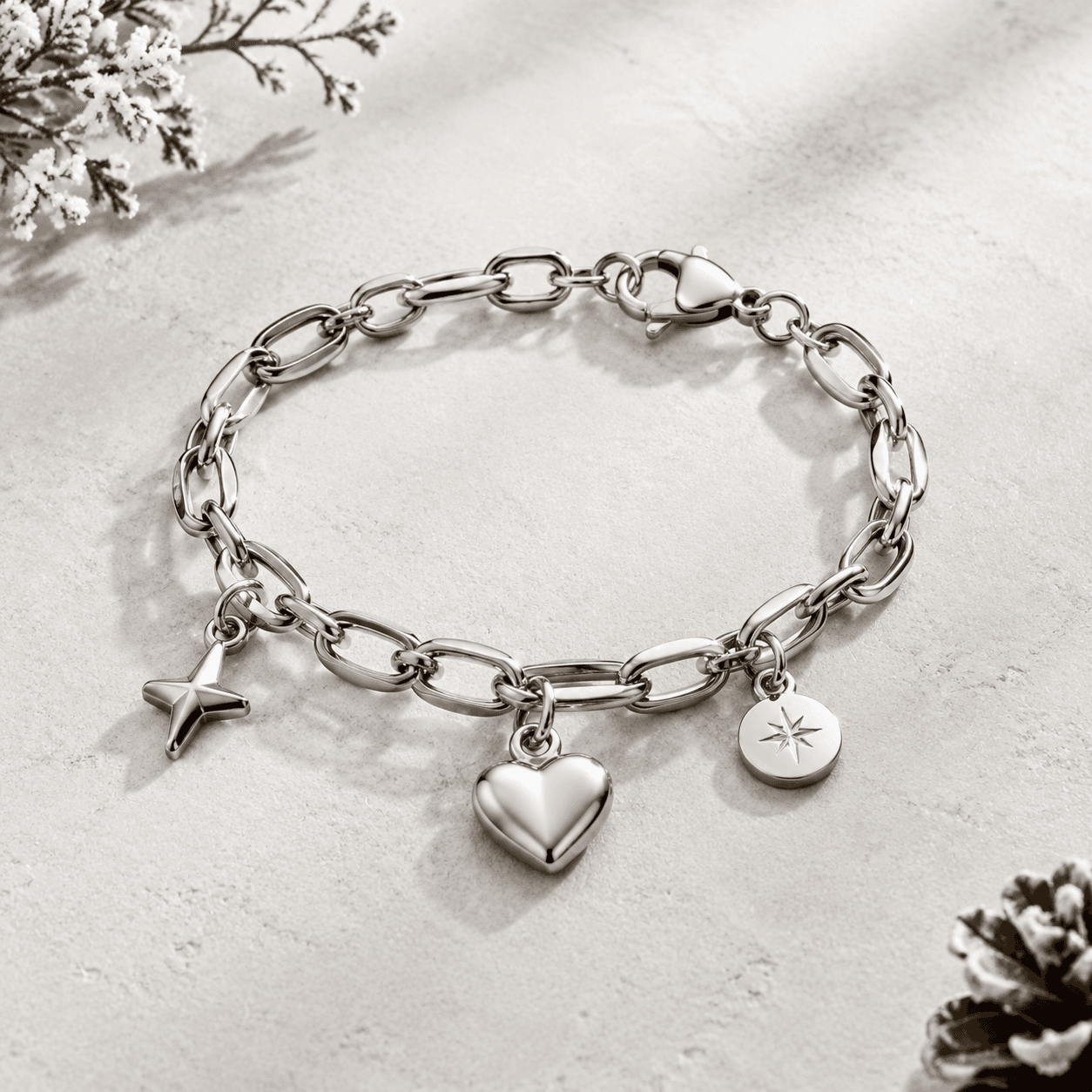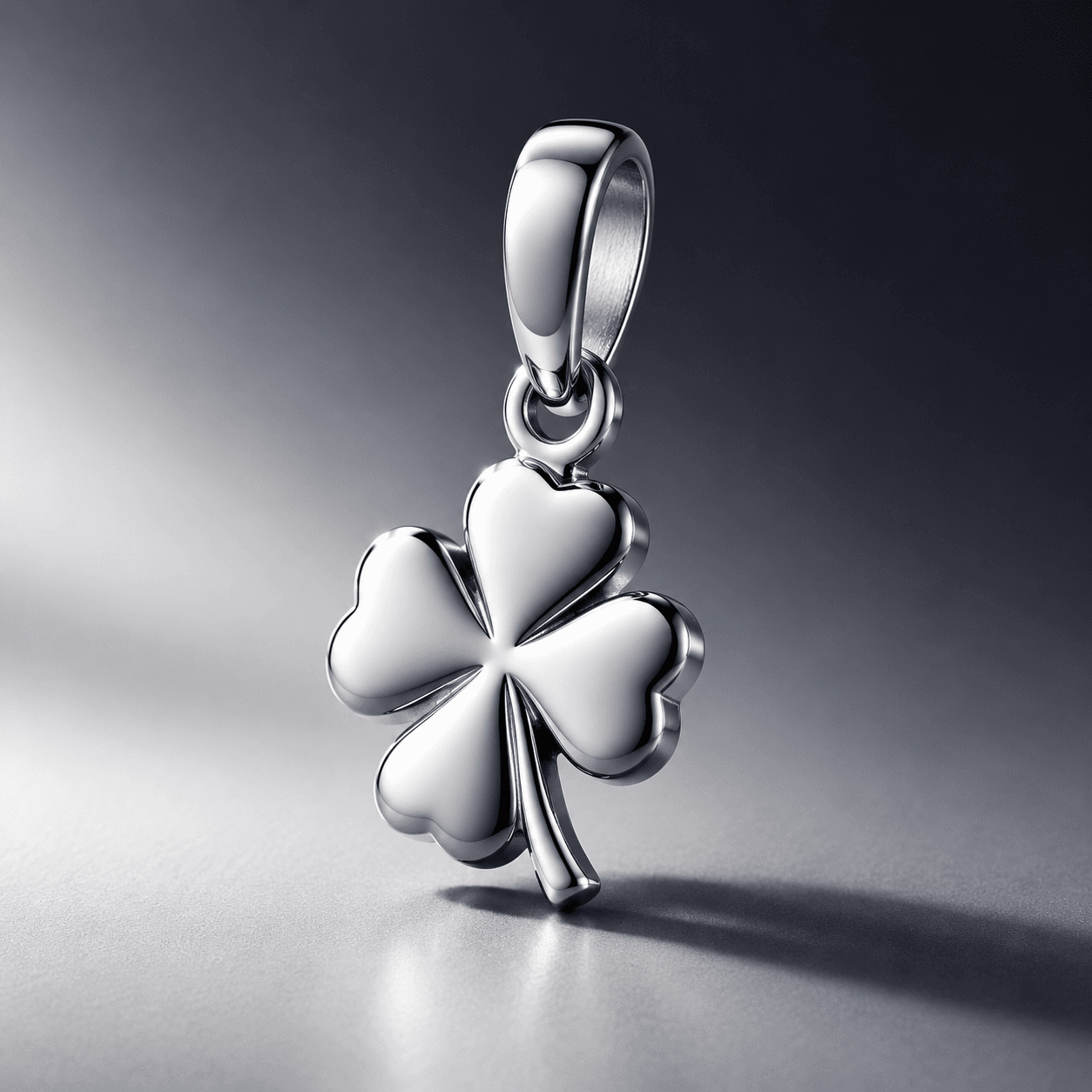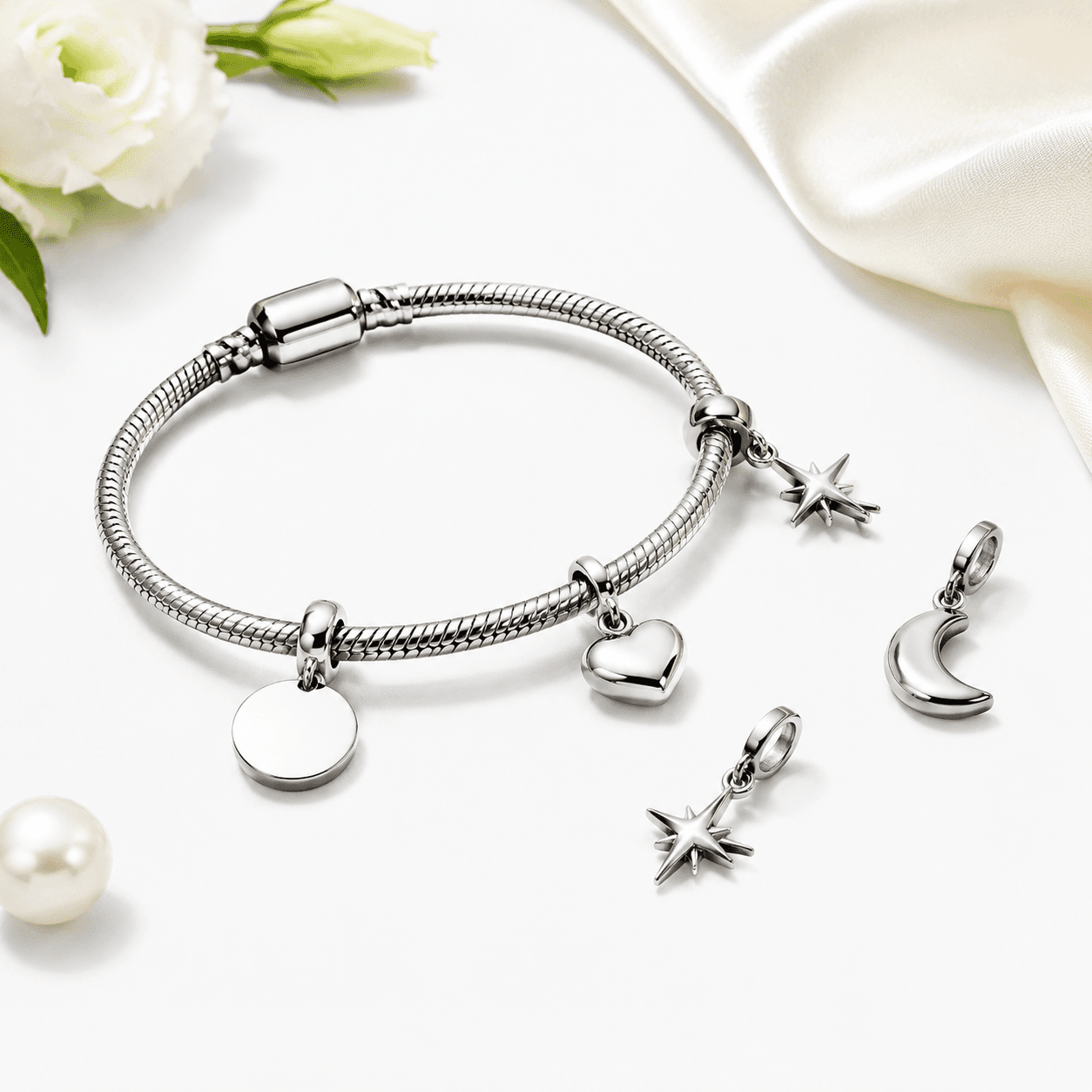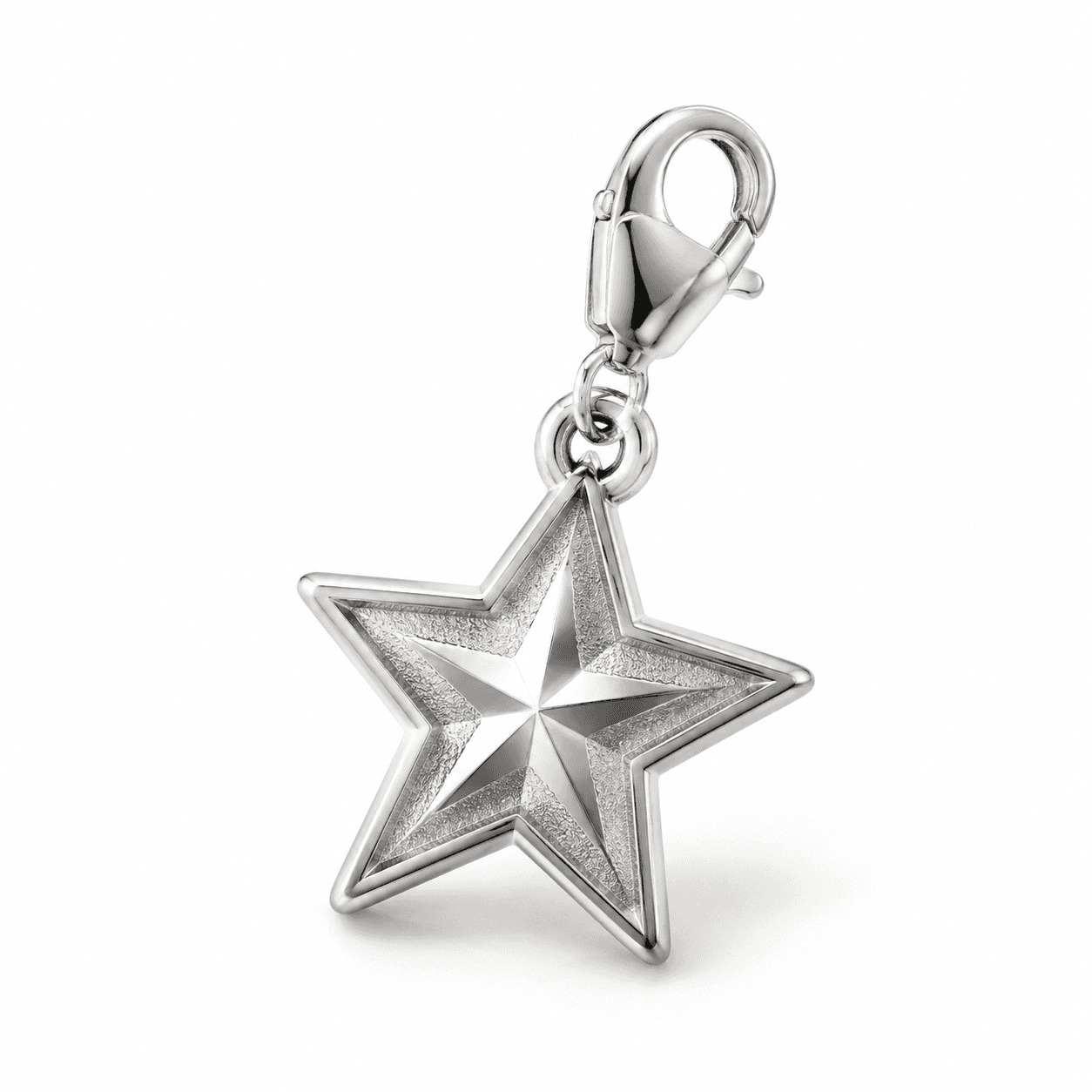
Missouri Star Charm Packs: 2026 Buyer’s Guide is a practical resource for buyers researching star-themed assortments, comparing pack structures, and evaluating sourcing requirements for retail and private-label programs. For jewelry businesses, the most useful purchasing criteria are design consistency, finish options, pack composition, repeat-order controls, packaging requirements, and the supplier’s ability to develop samples before bulk production. These details help purchasing teams assess whether a star-themed assortment fits their sales channels, price positioning, and merchandising plans.
For businesses developing their own product ranges, Lancy Jewelry manufactures 316L stainless steel charms and supports OEM and ODM development, custom logo engraving, PVD finishes, enamel color filling, crystal inlay, and private-label packaging. Although the search phrase refers to charm packs, this guide focuses on B2B procurement decisions rather than assuming a particular third-party pack’s contents, pricing, or availability. Buyers can use the comparison framework below to evaluate custom stainless steel charms, select appropriate pack structures, and prepare a clear RFQ for sample development and wholesale purchasing.
Understanding Missouri Star Charm Packs for B2B Purchasing
Buyers searching for Missouri Star Charm Packs should first clarify what the term represents in their purchasing process: a specific assortment they are researching, a star-themed product concept, or a planned multi-design offering for retail. These are different sourcing requirements. A named assortment may have a fixed composition that needs independent verification, while a custom assortment can be planned around a buyer’s own designs, color palette, merchandising strategy, and target order quantity. This guide does not assume that any particular named pack contains jewelry charms or is available through Lancy Jewelry.
For a jewelry retailer, gift company, charm bar, or private-label buyer, an effective purchasing brief identifies the intended application, number of designs, dimensions, finish distribution, decorative details, packaging format, and expected order volume. Star designs can serve as a recognizable theme across gift accessories, jewelry charms, and coordinated seasonal displays. However, the commercial value of a pack depends on more than its visual theme. Each component should have a clear retail purpose, and the complete assortment should remain consistent in quality and presentation.
When sourcing a custom assortment, begin with a 316L stainless steel charms specification and identify the finishes required for the intended collection. Lancy Jewelry can discuss silver finish, gold plated and rose gold plating options using PVD processes, along with enamel and crystal inlay details where the design allows. As a stainless steel charms manufacturer, Lancy supports OEM and ODM development for buyers seeking differentiated assortments, repeatable specifications, and a practical route from approved samples to wholesale production. Explore the product catalog to review available product directions before preparing an inquiry.
Comparison Table: Choosing the Right Star Charm Assortment
The most useful comparison is between sourcing approaches, rather than unverified claims about a particular named pack. A fixed assortment, a curated multi-design order, and a fully custom OEM or ODM program each serve different purchasing priorities. The table below provides a decision framework for US and Canadian buyers, with dimensions and commercial planning expressed in familiar inches and US dollars where relevant. Actual unit prices, pack quantities, lead times, and minimum order quantities depend on the approved specifications and must be confirmed by the supplier.
| Purchasing criterion | Fixed assortment | Curated wholesale assortment | Custom OEM or ODM assortment |
|---|---|---|---|
| Design selection | Set by the existing pack | Selected from available designs | Developed from a buyer brief |
| Typical sourcing priority | Convenience and quick evaluation | Range variety and stock planning | Brand differentiation and specification control |
| Finish planning | Confirm the supplied specification | Confirm available finishes per design | Define PVD, silver finish, enamel, and crystal inlay requirements |
| Logo and identity | Usually determined by the existing offer | Depends on supplier capabilities | Logo engraving and private-label packaging can be scoped |
| Sampling | Inspect an available physical sample if obtainable | Review representative designs and finishes | Approve development samples before production |
| MOQ and order flexibility | Set by the seller | Depends on supplier and assortment structure | Discuss low MOQ support and design-level quantities with the factory |
| Repeat-order control | Depends on ongoing availability | Depends on design continuity | Use approved specifications, reference samples, and documented tolerances |
| Best fit | Buyers prioritizing an existing assortment | Retailers building a varied star-themed range | Brands requiring a tailored product and packaging program |
Use this table as a supplier-evaluation tool, not as a statement of verified specifications or current pricing for Missouri Star Charm Packs. Before comparing quotations, ask each supplier to state the number of pieces and designs per pack, the dimensions of each design in inches or millimeters, the finish breakdown, packaging inclusions, sample charges, minimum order quantities, production lead times, and shipping terms. For custom projects, separate one-time development costs from recurring unit costs so the purchasing team can calculate landed cost and expected margin consistently.
Detailed Analysis of Each Sourcing Option
Option 1: Purchase an existing assortment
An existing assortment is useful when the buyer wants a clearly defined group of designs without commissioning a new product program. Before ordering, verify the seller’s actual product list, pack quantity, dimensions, finish descriptions, stock status, and return conditions. Request clear photographs of the complete assortment and close-up views of representative pieces. If the intended use is a charm bar or gift program, confirm whether the supplied components include the necessary attachment features and whether those features are suitable for the intended application. Do not infer jewelry suitability from the word “charm” alone.
Option 2: Curate a wholesale assortment
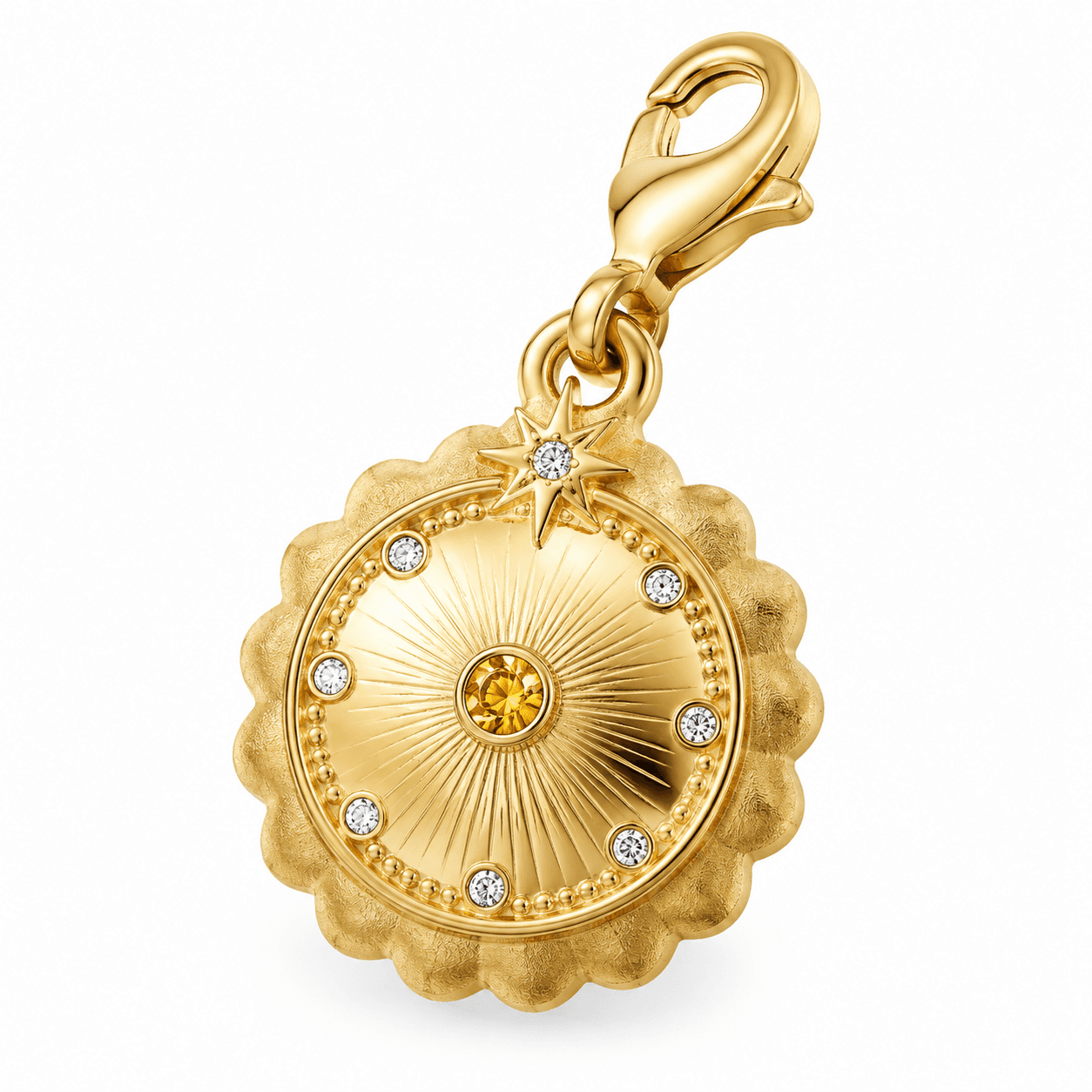
A curated assortment gives retailers more control over visual variety and inventory allocation. For example, a buyer might group a compact starburst, a six-point star, and a spiral-inspired celestial motif into one coordinated theme, subject to design approval and availability. This approach allows merchandising teams to balance familiar shapes with more distinctive options while limiting unnecessary duplication. Ask the supplier whether each design can be reordered independently, whether finishes can be specified by SKU, and how the supplier maintains visual consistency between batches. A documented SKU list is particularly useful when replenishing several retail locations or supplying a distributed sales network.
Option 3: Develop a custom private-label pack
A custom program is appropriate when the business needs specific dimensions, exclusive artwork created for its own brief, logo engraving, coordinated finishes, or packaging tailored to its retail identity. Lancy Jewelry supports OEM charms manufacturer and ODM development workflows, with sample support for evaluating the appearance and functional details before bulk production. The development brief should specify the front design, overall dimensions, thickness, attachment opening, finish, enamel colors, crystal placement where required, packaging format, and expected quantities per design. Include reference drawings or original artwork when available, together with the intended retail use and any applicable market requirements.
To compare these approaches fairly, calculate total acquisition cost rather than relying on the lowest quoted unit price. Include sample development, tooling or setup charges where applicable, packaging, inspection, freight, duties, and the cost of managing multiple SKUs. A supplier quotation should clearly distinguish confirmed details from estimates. For a custom assortment, the strongest purchasing decision is usually the option that balances design relevance, repeatability, order flexibility, and landed cost while meeting the buyer’s quality requirements.
Quality Verification, Factory Capabilities, and Repeat Orders
Quality verification should begin with a written specification and an approved physical sample. For Lancy Jewelry projects, the specified base material is exclusively 316L stainless steel. The quality brief should identify the target dimensions, permitted dimensional variation, edge condition, surface appearance, attachment geometry, finish, decorative details, and packaging requirements. For gold plated or rose gold plating projects, document the required PVD finish and agreed appearance standard. For enamel designs, define the color references and acceptable filling boundaries. For crystal inlay, specify placement, alignment, and the inspection criteria used to assess secure setting and visible defects.
Buyers should request relevant material declarations, test reports, and documentation applicable to the intended market and product configuration. SGS is a testing and inspection organization, not a blanket guarantee of compliance; therefore, ask whether relevant SGS reports are available for the actual product or material being quoted. Depending on the destination and product requirements, documentation may include RoHS, REACH, EN1811, and salt spray testing. Applicability varies by product, component, finish, jurisdiction, and intended use. Do not treat these names as proof that every Lancy product has been certified or tested to every listed standard. Confirm the issuing laboratory, report date, sample identification, test method, and scope before relying on a document.
Factory evaluation should also cover sample development, process controls, final inspection, packaging checks, and the retention of approved reference samples. Request dated factory or production-process photographs when an on-site visit is not practical, and distinguish illustrative photographs from evidence of the actual production line assigned to an order. For repeat orders, retain the approved sample, drawings, finish references, artwork version, SKU list, and inspection record. A simple lot-level inspection plan can cover quantity, design identity, visible surface defects, connector integrity, decoration placement, and packaging accuracy. These steps help purchasing teams compare suppliers objectively and reduce avoidable discrepancies between samples and delivered goods.
Recommendation: Build a Buyer-Ready Star Charm Procurement Plan
For a buyer who has not yet confirmed whether an existing pack meets the business requirement, the best first step is to define the assortment brief before committing to bulk quantities. Record the intended sales channel, target customer, preferred star motifs, approximate charm size, finish preferences, decorative details, target retail positioning, and expected initial order volume. For compact jewelry charms, the appropriate size depends on the design and use; a preliminary range of roughly 0.3 to 0.7 inches (8–18 mm) can be discussed as a starting point, not as a verified dimension for any named pack. Buyers should confirm actual measurements and proportions using drawings or physical samples.
Next, compare suppliers against a common scorecard. Suggested categories include design suitability, documented base material, sample accuracy, finish consistency, attachment quality, packaging execution, production capacity, communication, MOQ flexibility, and landed cost. Assign greater importance to the factors that affect customer complaints and repeat purchases. For a private-label program, the ability to preserve approved artwork and finish specifications across production runs may be more valuable than a small initial unit-price difference. Request separate quotations for the sample stage and the planned production quantity so that development costs and recurring costs are transparent.
Lancy Jewelry is a relevant option for businesses evaluating wholesale stainless steel charms, custom star-themed assortments, and private-label development using 316L stainless steel as the sole base material. Buyers can review available designs in All Products, discuss customization through the OEM service, and prepare a quotation request through the RFQ inquiry route. The recommended decision sequence is straightforward: confirm the brief, review available design directions, approve samples, agree on quality and inspection criteria, and authorize bulk production only after the specifications and commercial terms are documented.
Frequently Asked Questions About Missouri Star Charm Packs
Plan Your Custom Star Charm Assortment With Lancy Jewelry
Ready to evaluate a custom star-themed assortment for your retail or private-label program? Send Lancy Jewelry an RFQ with your target designs, intended application, approximate dimensions, quantity per design, preferred finishes, decoration requirements, logo artwork, packaging specifications, destination market, and requested delivery window. Include reference photographs or original drawings and identify which details are mandatory versus flexible. If you are comparing several assortment structures, provide the desired number of designs and the estimated initial and repeat-order quantities so the factory can assess the most practical production approach.
For sample development, specify whether you need a single representative design or multiple finish and decoration variations for evaluation. Ask for a written breakdown of sample charges, MOQ, production pricing, expected timelines, available material documentation, and applicable inspection or test reports. Lancy Jewelry can review OEM and ODM requirements, discuss low MOQ support for the proposed project, and advise on private-label packaging options. Browse available products, learn about custom manufacturing services, or use the RFQ request route to begin your inquiry. A clear specification helps both parties establish realistic costs, quality expectations, and production milestones before a bulk order is approved.
Related resources
Related resources
- How to Choose Durable Stainless Steel Charms for Cross-Border E-Commerce
- Custom Stainless Steel Charm Bracelet Tutorial: A Buyer’s Guide to Quality
- Stainless Steel Animal Jewelry Charms Wholesale: Quality Guide
- Stainless Steel Charm Jewelry Box Wholesale: OEM Buyer Guide
- Guide to Stainless Steel Lucky Charm Inspirational Jewelry Wholesale
- Stainless Steel Evil Eye Bracelets Wholesale: Supplier Guide
- Stainless Steel Wholesale Beads and Charms for Jewelry Supplier Guide
- Stainless Steel Wholesale Crystal Charms and Beads: OEM Guide
- Antique Distressed Finish on Stainless Steel Charms: A Buyer’s Guide to Durability
- How to Source Minimalist Stainless Steel Charms: Finishing Guide