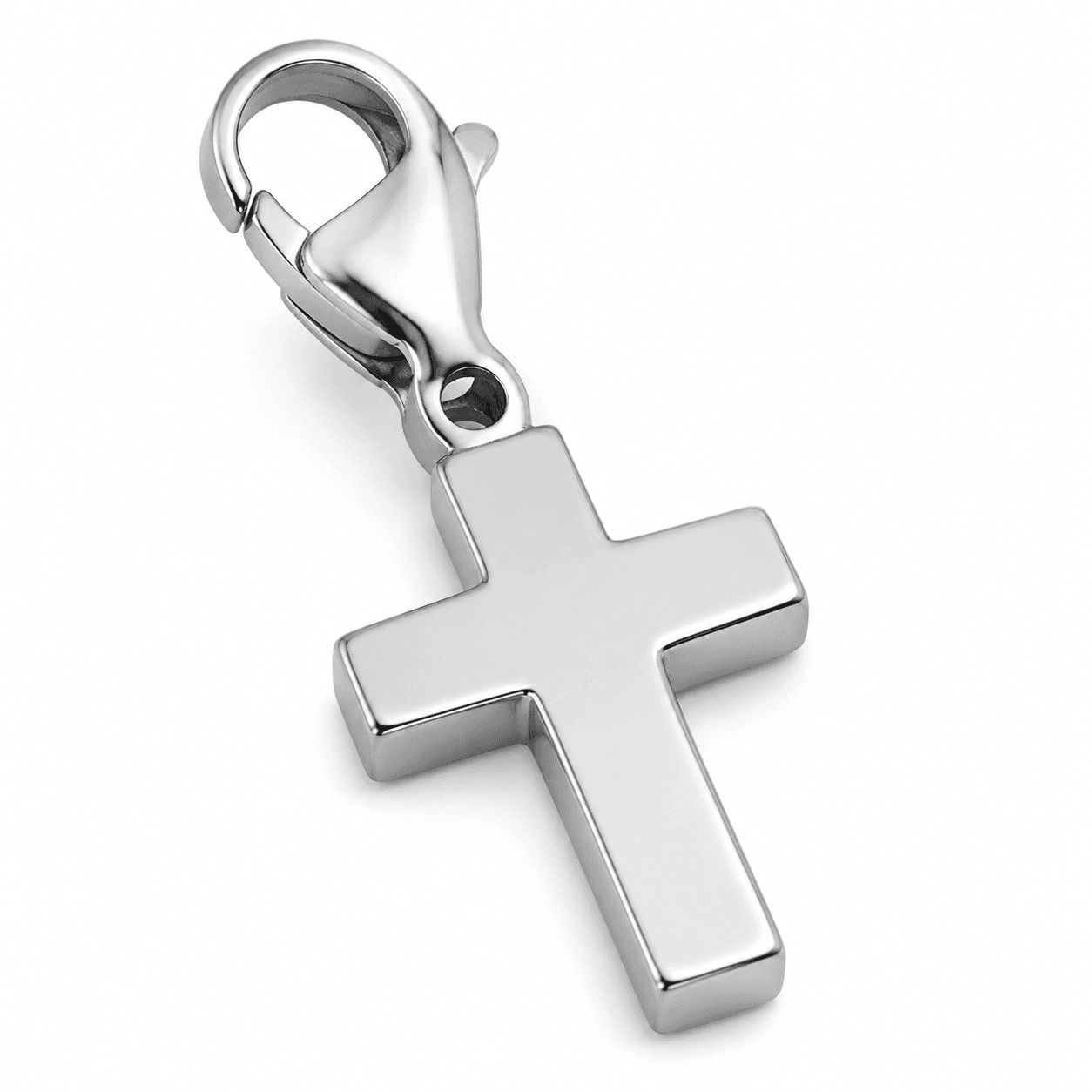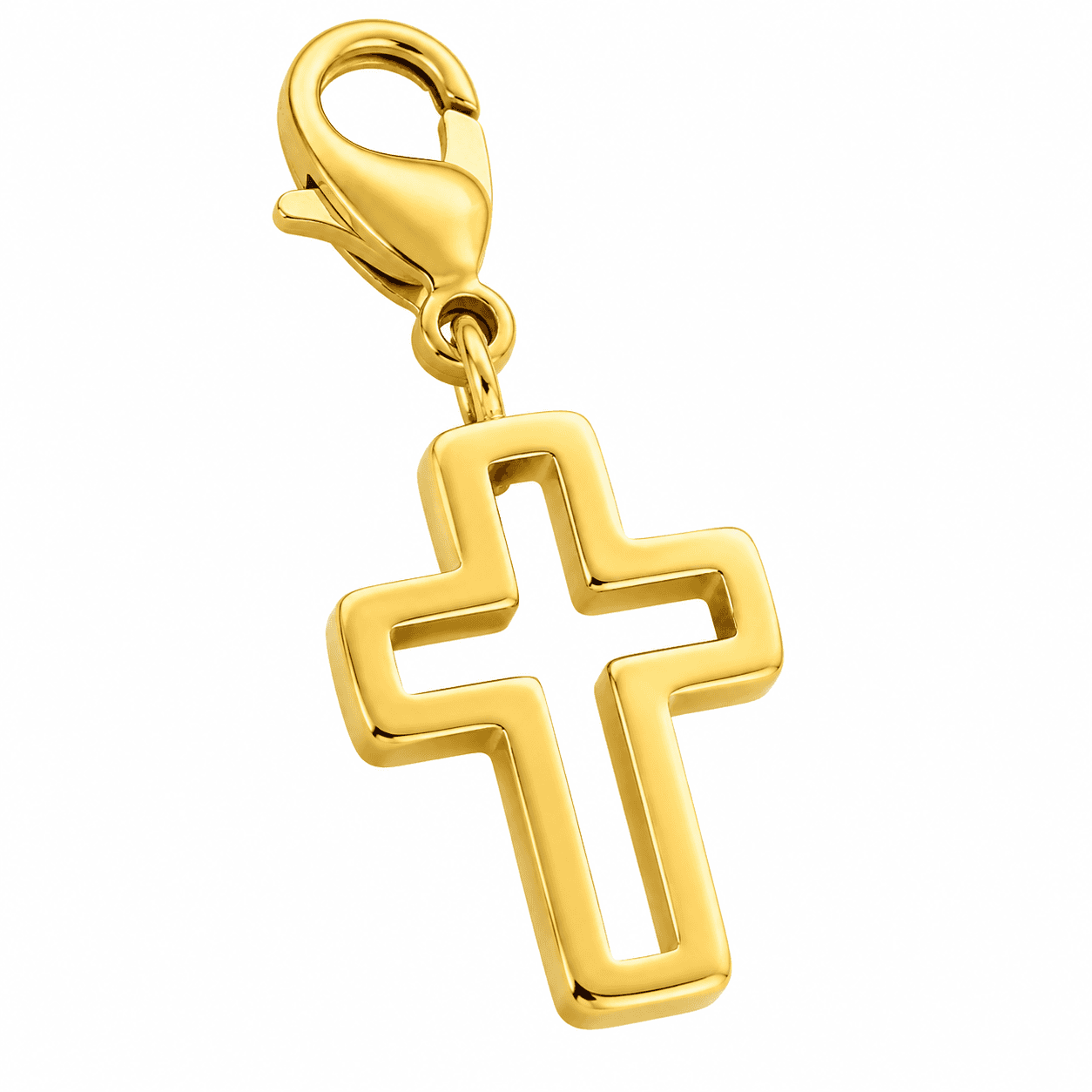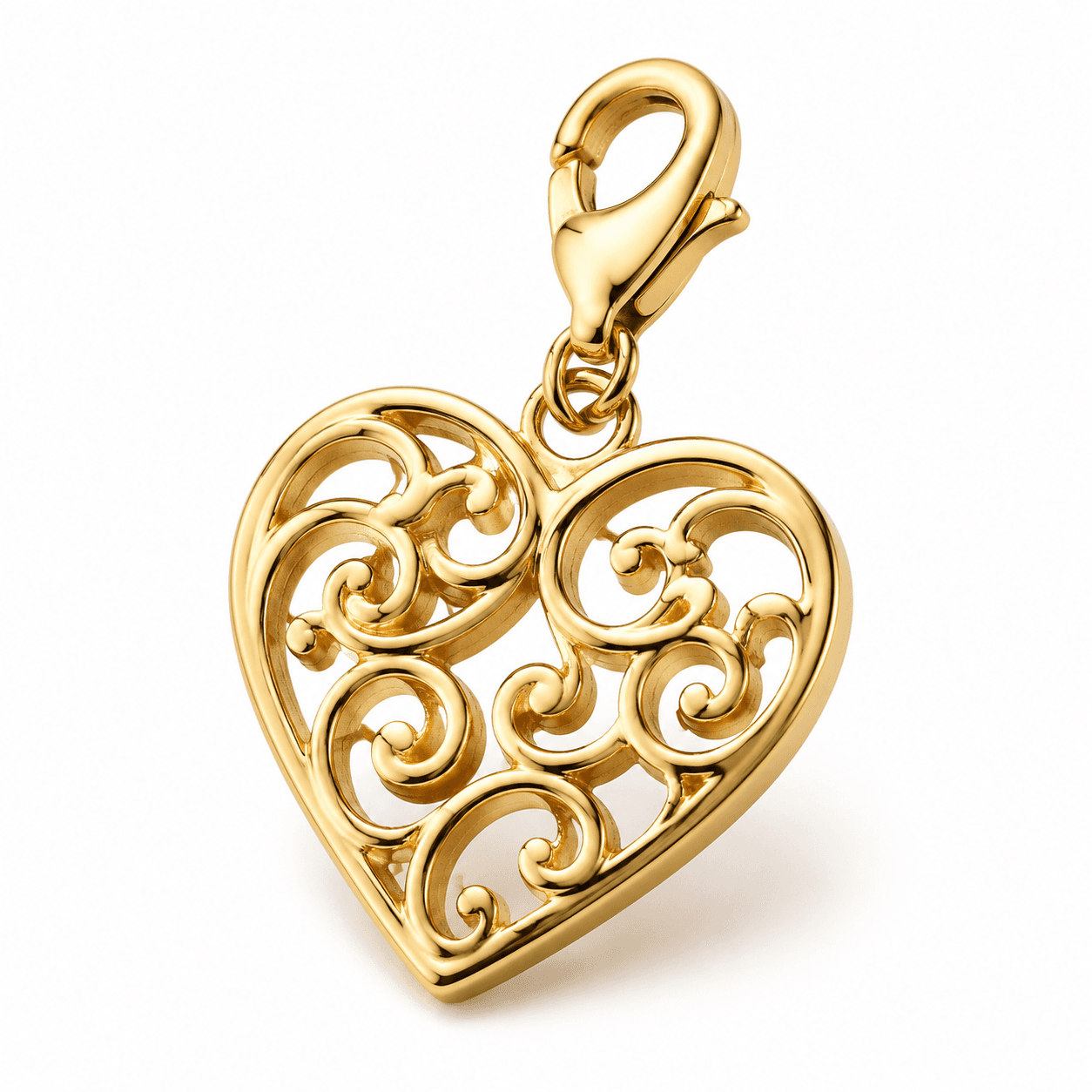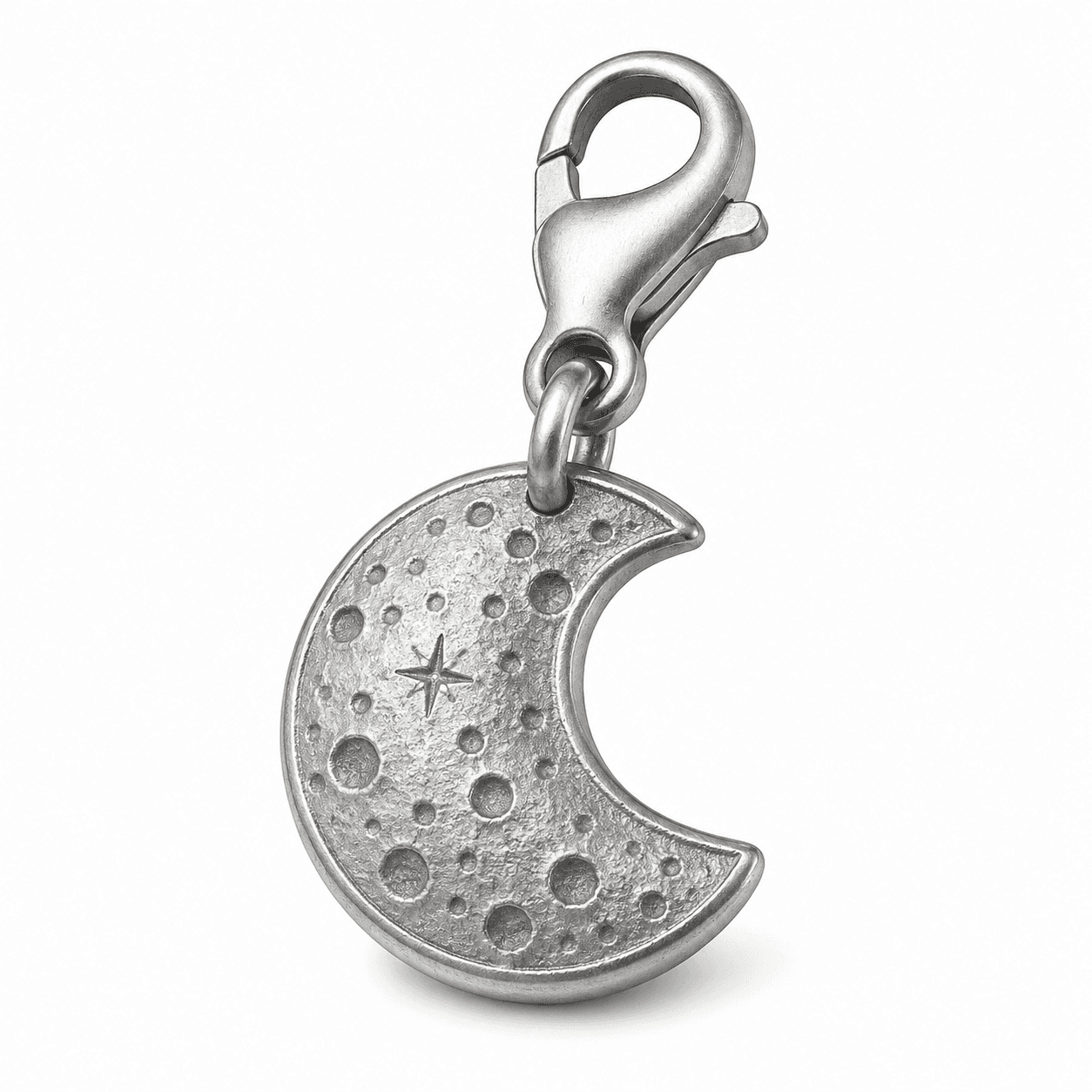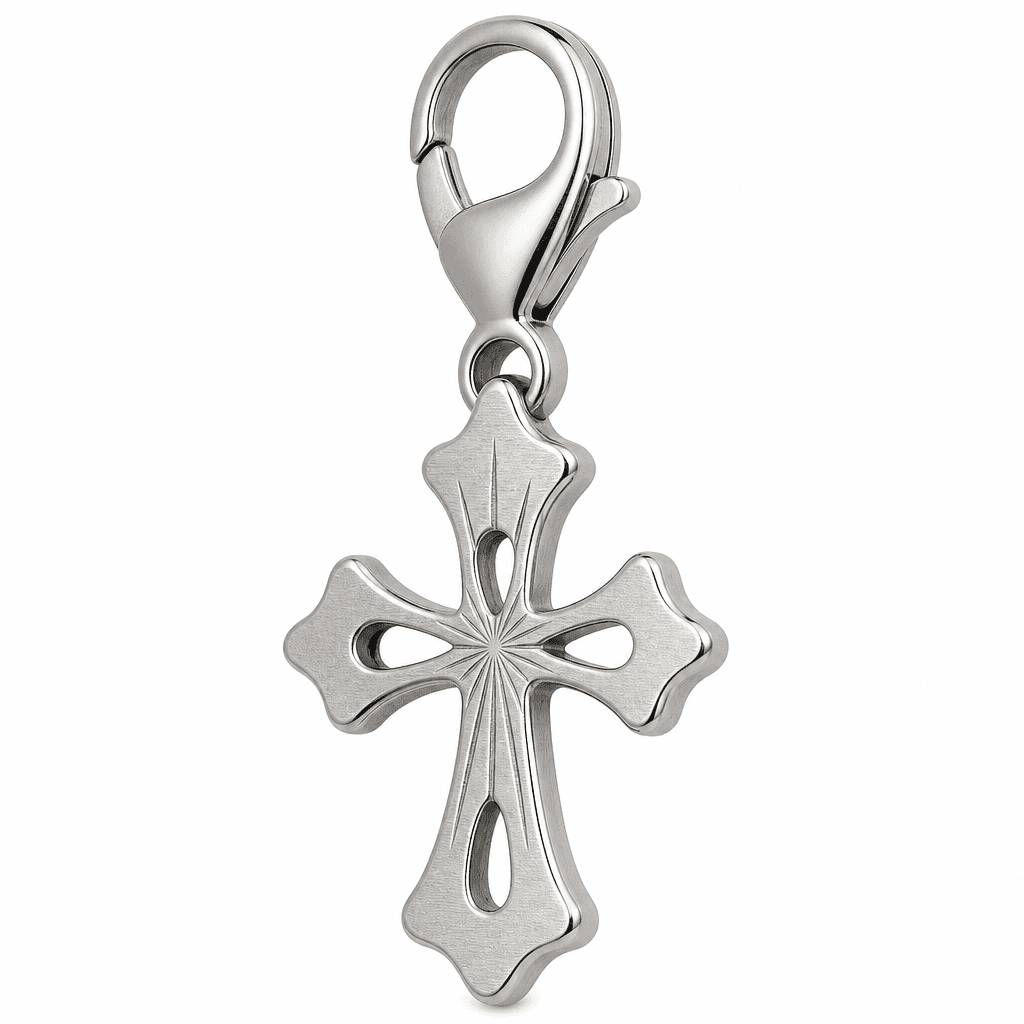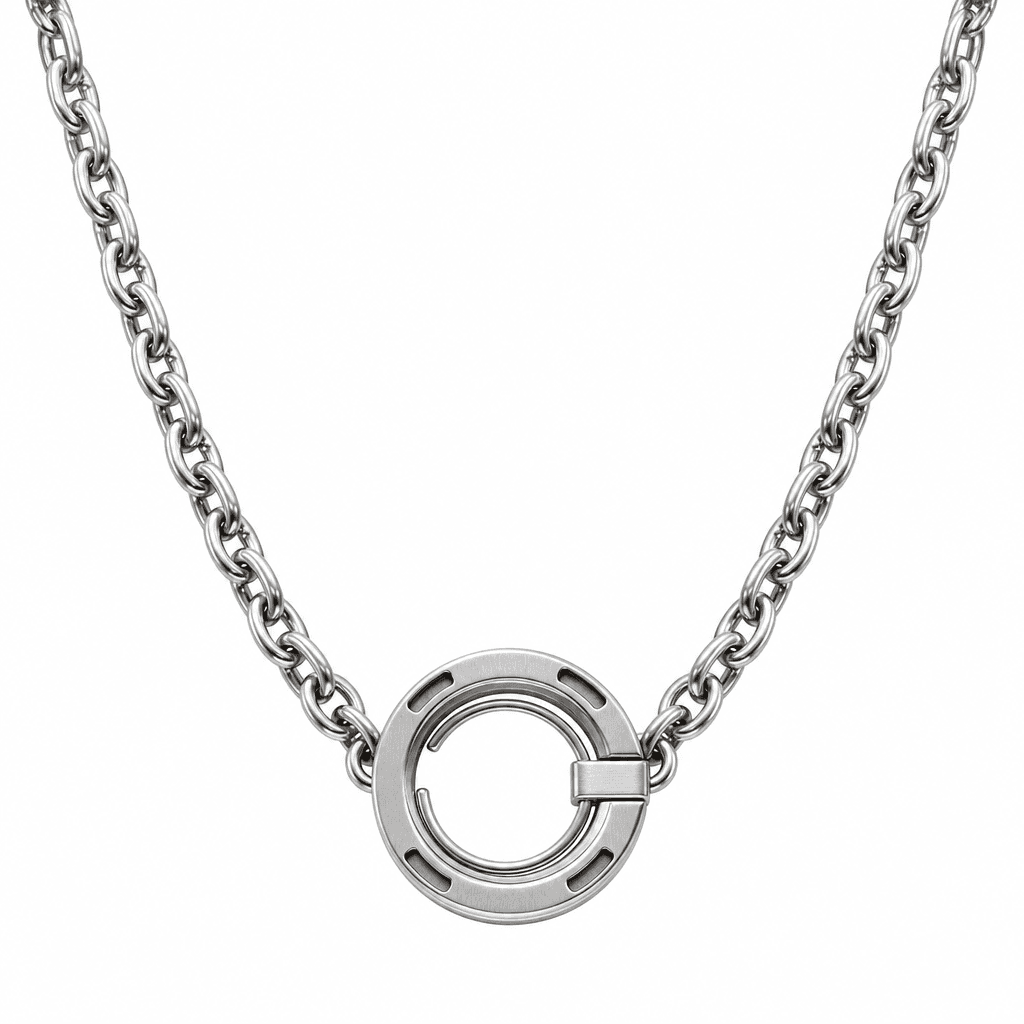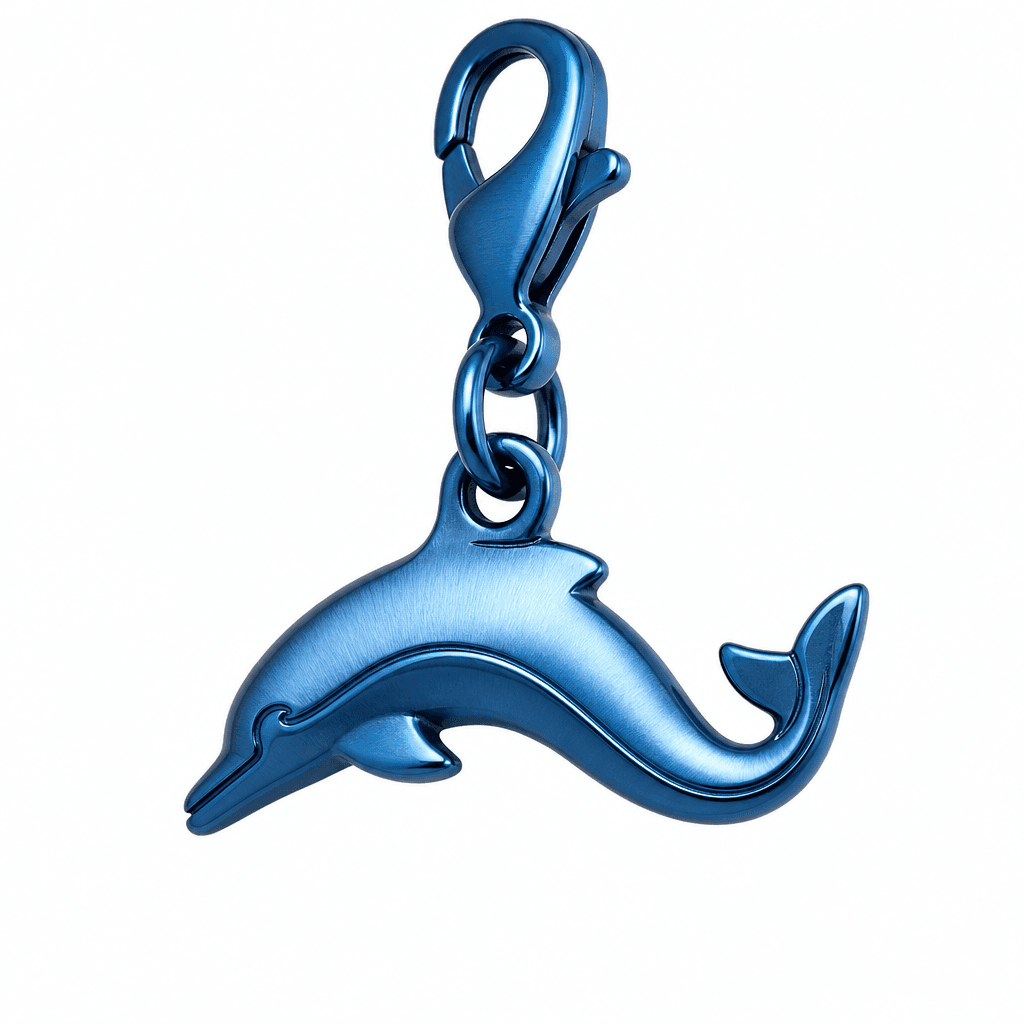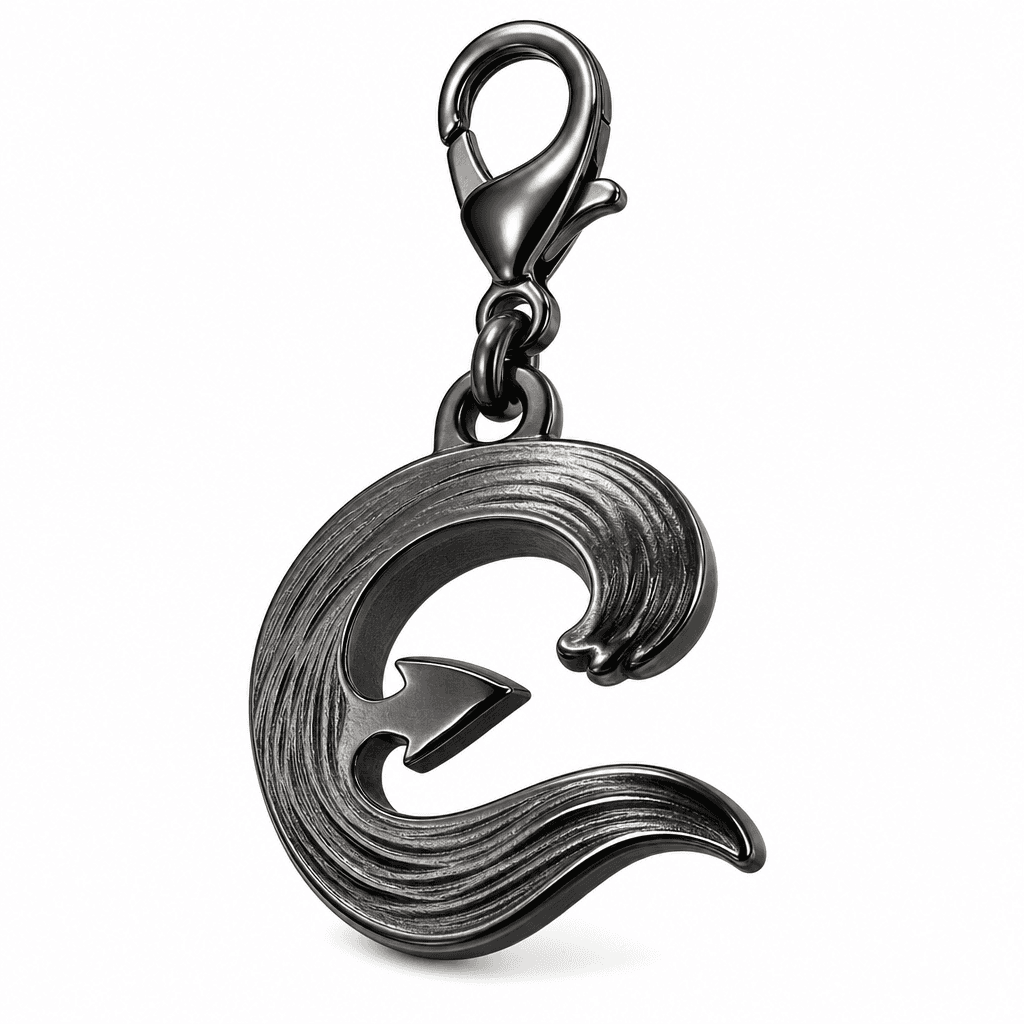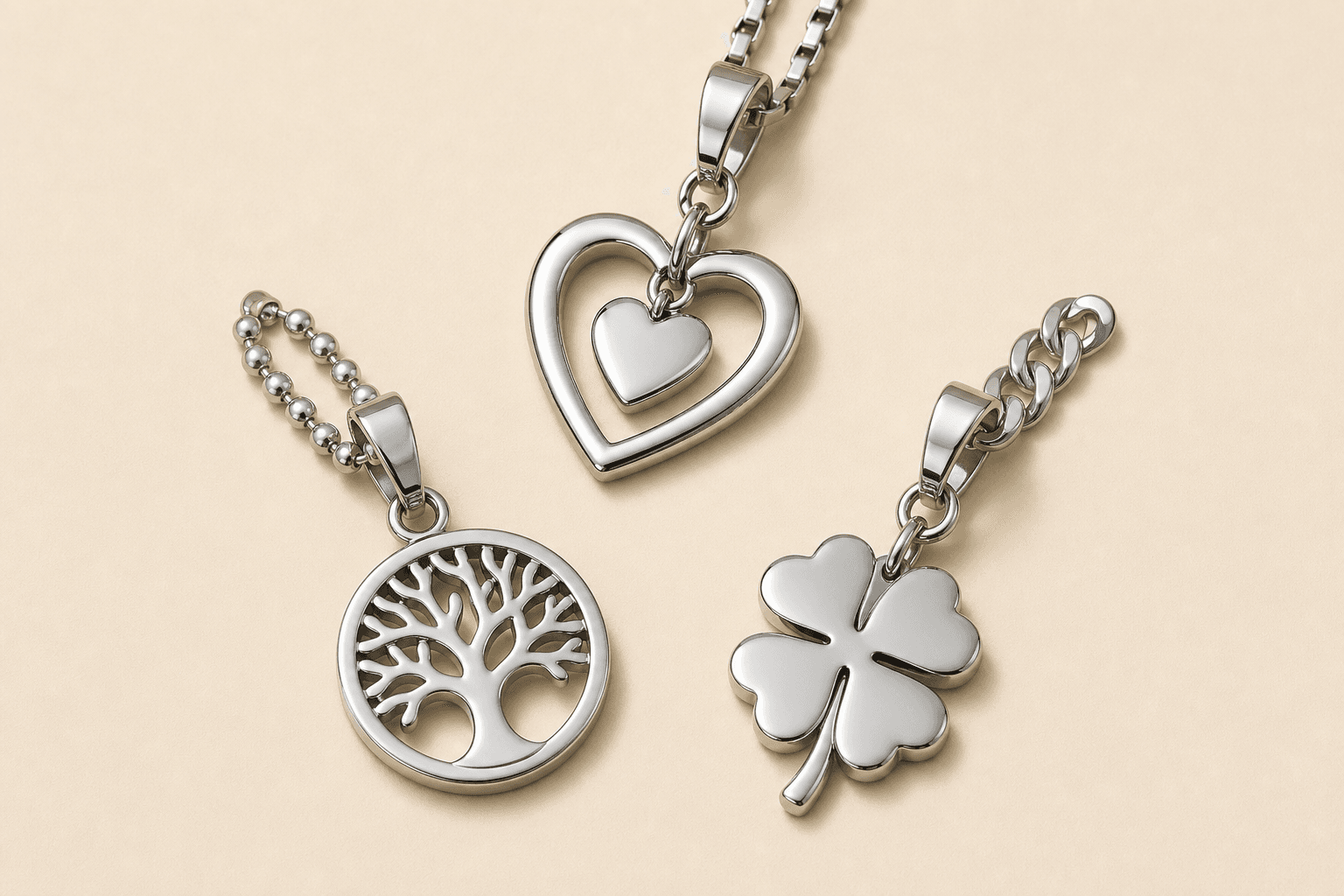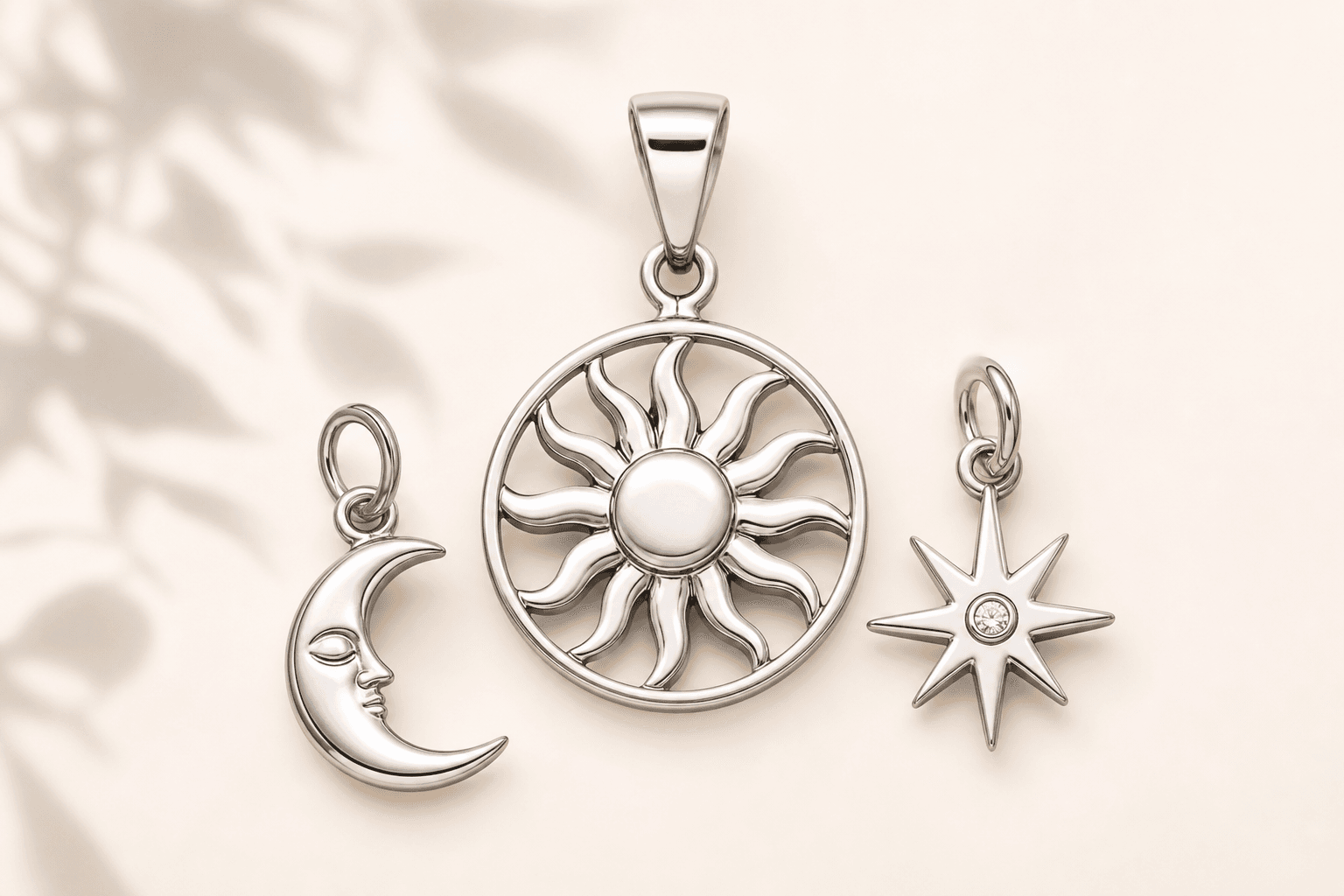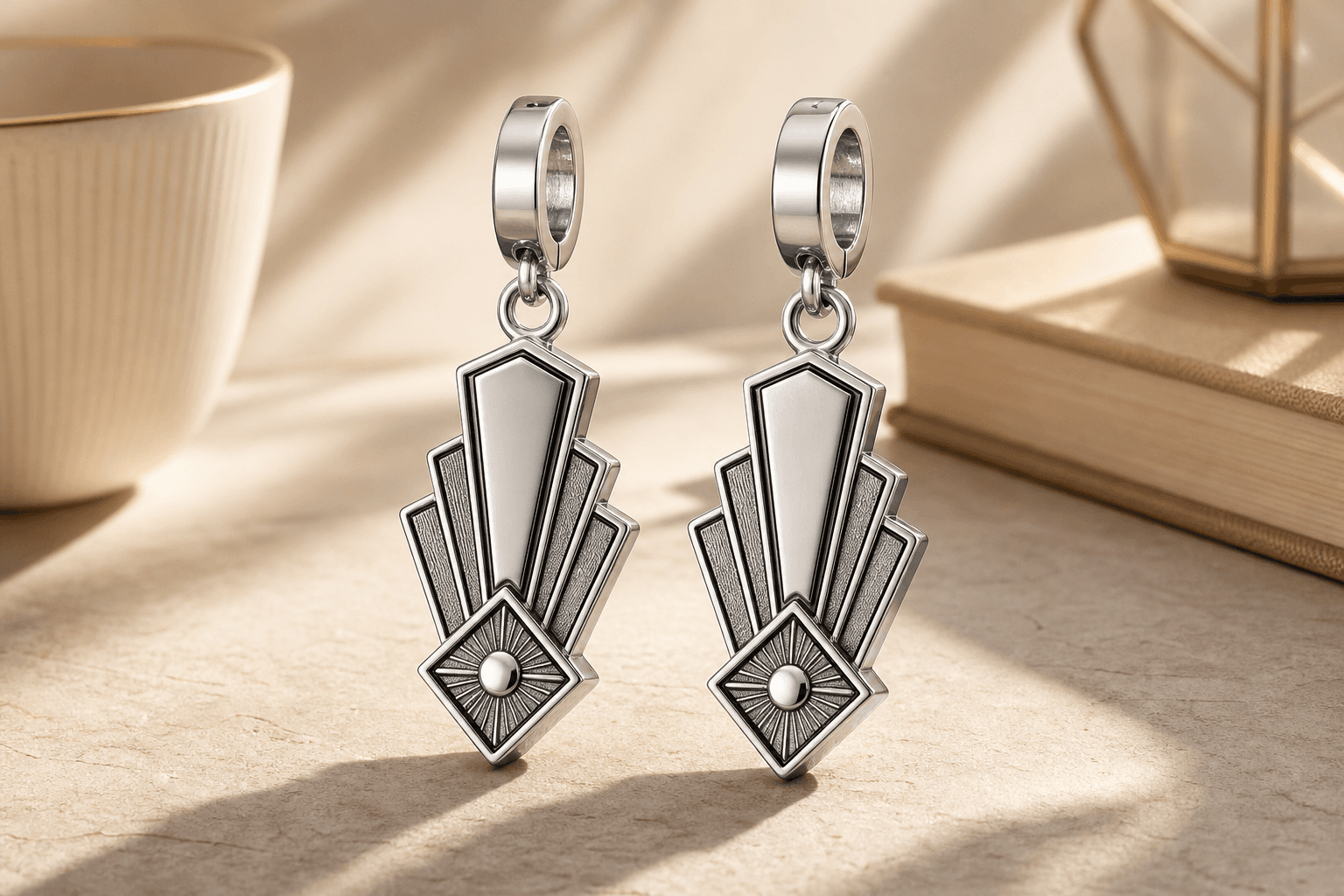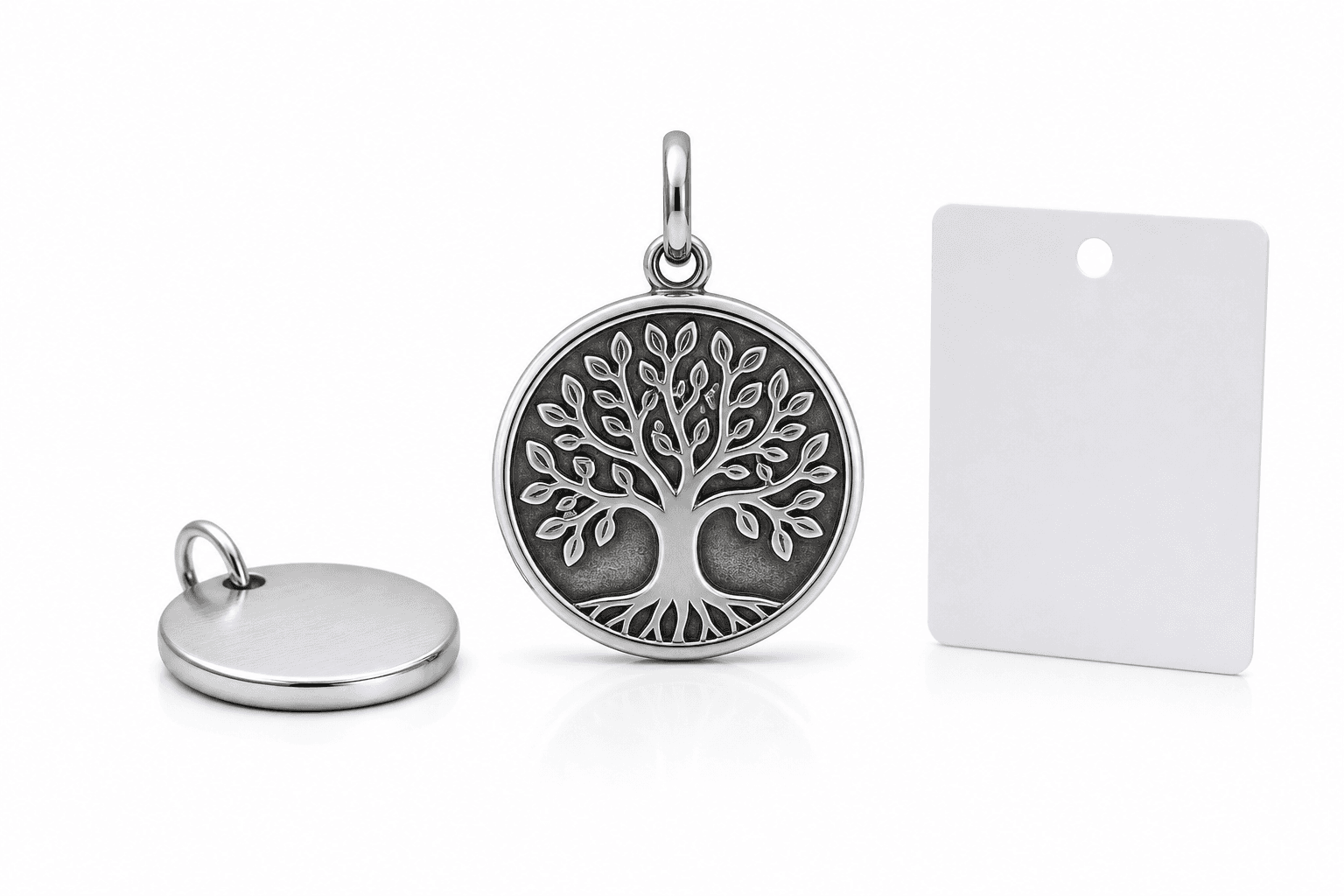
This topic page provides a practical comparison between 3D printed prototypes and 316L stainless steel charms, tailored for B2B buyers exploring customization, prototyping, and sourcing strategies. The framework highlights decision points across concept validation, material behavior, finishing options, and scale-up considerations for private-label programs. By focusing on 316L stainless steel charms, Lancy Jewelry clarifies how prototypes translate into mass-produced, boutique-ready accessories while maintaining control over quality, MOQ, and packaging for global markets.
As a 316L stainless steel charms manufacturer with robust OEM/ODM capabilities, Lancy emphasizes practical guidance that supports design feasibility, cost-per-unit estimation, and time-to-market. Designers can leverage 3D printed prototypes for rapid iterations, then transition to high-volume production with PVD plating, enamel color filling, crystal inlay, and private-label packaging. For ongoing collaboration, explore our OEM/ODM service page and request samples to validate form, fit, and finish before committing to bulk charm orders.
SGS certifications including RoHS, REACH, EN1811, and Salt Spray testing underpin our approach to durable finishes and safe materials. Our internal processes support logo engraving, sample development, and reliable plating quality, ensuring consistency across boutique-ready series. This framework helps global teams—from the US to the EU, UK, AU, CA, DE, FR, SP, NE, and RU—make informed choices that align with private-label programs, MOQ strategies, and fast-turnaround product development.
Introduction: 3D Prototypes vs 316L Stainless Steel Charms
This section introduces the practical comparison between 3D printed prototypes and 316L stainless steel charms from a designer and sourcing manager perspective. The goal is to establish a clear framework for evaluating form, fit, and function while accounting for material behavior and production realities. Early-stage 3D printed prototypes enable rapid geometry validation, wall thickness checks, and interlocking feature testing, accelerating concept validation and reducing risk for private-label programs.
Lancy Jewelry offers robust OEM/ODM development, logo engraving, and sample support to bridge the gap between concept and mass production. By documenting specifications early, buyers can align design intent with manufacturing feasibility, streamlining transitions from concept to boutique-ready items. Explore our OEM service page to align design thinking with production reality, and use our RFQ tool to request samples for rapid validation of form, fit, and finish across regional markets.
In parallel, teams should plan for how 316L stainless steel charms will perform in real-world wear. Finishes such as PVD plating, enamel color filling, and crystal inlay are selected for durability in boutique contexts. SGS certifications including RoHS, REACH, EN1811, and Salt Spray testing support durable, market-ready results that meet safety and performance expectations for global distribution.
Comparison Framework: 3D Prototypes vs 316L Stainless Steel Charms
Understanding how 3D printed prototypes compare with 316L stainless steel charms helps buyers make informed sourcing decisions. The framework below highlights key dimensions for decision-making, focusing on material behavior, tolerances, finishes, durability, and economics for OEM/ODM programs.
Table highlights are provided to illustrate how early-stage geometry translates to metal production. 316L stainless steel serves as the base material for finishes such as PVD plating, enamel, and crystal inlay, designed for boutique-quality outcomes. The framing emphasizes how design decisions affect manufacturability, plating compatibility, and private-label packaging readiness across wholesale and bulk orders.
| Criteria | 3D Printed Prototypes | 316L Stainless Steel Charms (Mass Production) |
|---|---|---|
| Material and construction | Typically resin or nylon for geometry studies; not intended for wear, and final behavior differs from metal. | Base material is 316L stainless steel; supports PVD plating, enamel filling, and crystal inlay; designed for boutique durability and wear. |
| Dimensional accuracy and tolerances | Detail can be high, but tolerances depend on printer and resin; post-processing needed for sharp edges. | |
| Finish options | Resin-based appearance; may simulate metal but not equivalent to metal plating. | |
| Durability and wear | Limited wear resistance; intended for concept validation rather than functional wear. | |
| Lead time and cost per unit | Fast iterations with lower upfront cost; suitable for concept testing and short lifecycle SKUs. | |
| Volume and MOQ | Best for prototypes and small tests; not optimized for large private-label runs. | |
| Post-processing and assembly | Minimal post-processing; mainly for concept hubs or fit checks. |
In-Depth Analysis: Material Behavior, Finishing, and Production Economics
Material behavior and design validation are critical when moving from concept to production. 3D printed prototypes are excellent for exploring shape, silhouette, and ergonomics, but metal-specific constraints must be accounted for when transitioning to 316L stainless steel. Consider minimum wall thickness, hole size for logo engraving, and the feasibility of plating or enamel inlay. Some intricate polymer features may require geometry simplification or alternative layouts for metal production. Lancy's private-label packaging and engraving capabilities help preserve branding intent as designs scale from prototype to OEM production.
Finishing options are a key differentiator. While 3D prototypes can guide form, durable finishes such as PVD plating in gold, silver, or rose gold, enamel color fills, and crystal inlay are essential for boutique contexts. Engraving logos on 316L stainless steel is practical and scalable, enabling consistent branding across wholesale orders. This alignment is particularly important for ODM programs that require uniform finishes and branded packaging across multiple SKUs.
Production economics matter for private-label sourcing. Prototyping cycles are typically faster and lower cost for concept validation, while mass production reduces unit costs with volume. Lancy supports low MOQ charm production and flexible sample development schedules to minimize risk. For brands pursuing private-label strategies, these capabilities translate into faster go-to-market timelines and predictable lead times for OEM/ODM engagements. Use our OEM service and RFQ channels to begin collaborations quickly.
Practical Workflow: From Concept to Private-Label Production
Designers and sourcing teams can follow a practical workflow to maximize speed and quality. Start with precise 3D printed prototypes to test form, ergonomics, and fit. Use these prototypes to gather stakeholder feedback and validate the design before committing to metal production. From there, transition to 316L stainless steel charms, leveraging finishing options such as PVD plating, enamel filling, and crystal inlay to achieve boutique-grade aesthetics.
Design for manufacturability is essential. Early decisions should consider plating compatibility, logo engraving feasibility, and assembly tolerances. Engaging a vetted charm factory like Lancy Jewelry ensures a smooth transition from concept to private-label packaging, while leveraging low MOQ programs, sample development, and bulk-order capabilities for scalable growth. For global teams, align with RoHS and REACH compliance and prepare packaging configurations that suit gift programs and charm bar partnerships across targeted markets.
When ready, formalize the project through an RFQ or sample request via the official channels. Our workflow supports a fast, transparent path from design intent to production reality, enabling reliable lead times and pricing for US, EU, UK, AU, CA, DE, FR, SP, NE, and RU regions.
Quality, Compliance, Packaging, and Lead Times
Quality control is central to delivering consistent 316L stainless steel charms. Lancy implements SGS-based checks and compliance testing, including RoHS and REACH, to support global market access. EN1811 corrosion resistance and Salt Spray durability tests underpin long-term performance, while plating quality is monitored across batches to ensure uniform appearance and wear resistance. These standards help maintain boutique-ready aesthetics in private-label lines and across wholesale orders.
Lead times vary by project stage. Prototyping cycles are typically shorter, while mass production achieves faster per-unit costs with higher quantities. Lancy supports low MOQ charm production and flexible sample development, enabling faster go-to-market for private-label programs. Packaging options are designed to align with gift programs and charm bar partnerships, and we can tailor packaging to specific retailer requirements for a cohesive brand experience.
For buyers, key decision criteria include base material integrity, finish durability, branding precision, packaging compatibility, and reliable supply chain lead times. By selecting 316L stainless steel as the base material and pairing it with proven finishes, brands can deliver consistent product quality while optimizing for private-label packaging and scalable wholesale orders.
Private-Label Collaboration: How to Start and RFQ Guidelines
To begin a private-label collaboration, assemble a clear design brief and a plan for SKUs, finishes, and packaging. Provide target quantities, desired finishes (PVD gold, silver, rose gold), enamel color selections, and any crystal inlay requirements. Include a logo engraving specification and vector files to ensure branding accuracy. Submit these details through our official channels: the OEM service page for custom manufacturing and the RFQ submission tool to initiate a formal quote and sample plan.
For global sourcing, specify target regions such as the US, EU, UK, AU, CA, DE, FR, SP, NE, RU to receive region-appropriate lead times and pricing. If you need a quick confirmation, contact the sales team for a private-label quote and a designed production plan. We emphasize low MOQ support, consistent plating quality, and boutique-ready series planning to help brands scale with confidence. The recommended workflow is to review 3D prototypes for form, move to 316L stainless steel with your branding, then lock in bulk charm orders with a dependable supply chain.
Frequently Asked Questions
Take the Next Step: RFQ and Sample Development with Lancy
Ready to move from concept to boutique-ready 316L stainless steel charms? Begin by compiling your requirements: target SKU count, chosen finishes (PVD gold, silver, rose gold), enamel color palette, crystal inlay needs, and logo engraving specifications. Specify packaging style and a timeline for development. Submit these details via our official channels: the OEM service page for custom manufacturing and the RFQ submission tool to get a formal quote and a structured sample plan. For global sourcing, indicate destination markets to receive region-appropriate lead times and pricing.
We emphasize low MOQ support, consistent plating quality, and a private-label packaging strategy designed for gift programs and charm bar partnerships. After reviewing 3D prototypes for form, move forward with 316L stainless steel production and your branding. This approach enables a predictable go-to-market plan, scalable wholesale orders, and a reliable supply chain for boutique brands and private-label buyers.
Related resources
Related resources
- Materials & Finishes
- Sample Support
- Guide to 316L Stainless Steel Charms for Jewelry Making Wholesale
- How to Choose Stainless Steel Charms Labubu Keychain (316L)
- How to Assess Stainless Steel Keychain for Charms: 316L Chemistry
- How to Design Stainless Steel Custom Enamel Charms: A Materials Guide
- How to Source 316L Stainless Steel Permanent Jewelry Charms Wholesale
- Why 316L stainless steel charms for bracelets matter to designers
- How to Vet Suppliers for Stainless Steel Bag Keychain Charms
- How to finish stainless steel charm bracelets: PVD, plating, polish