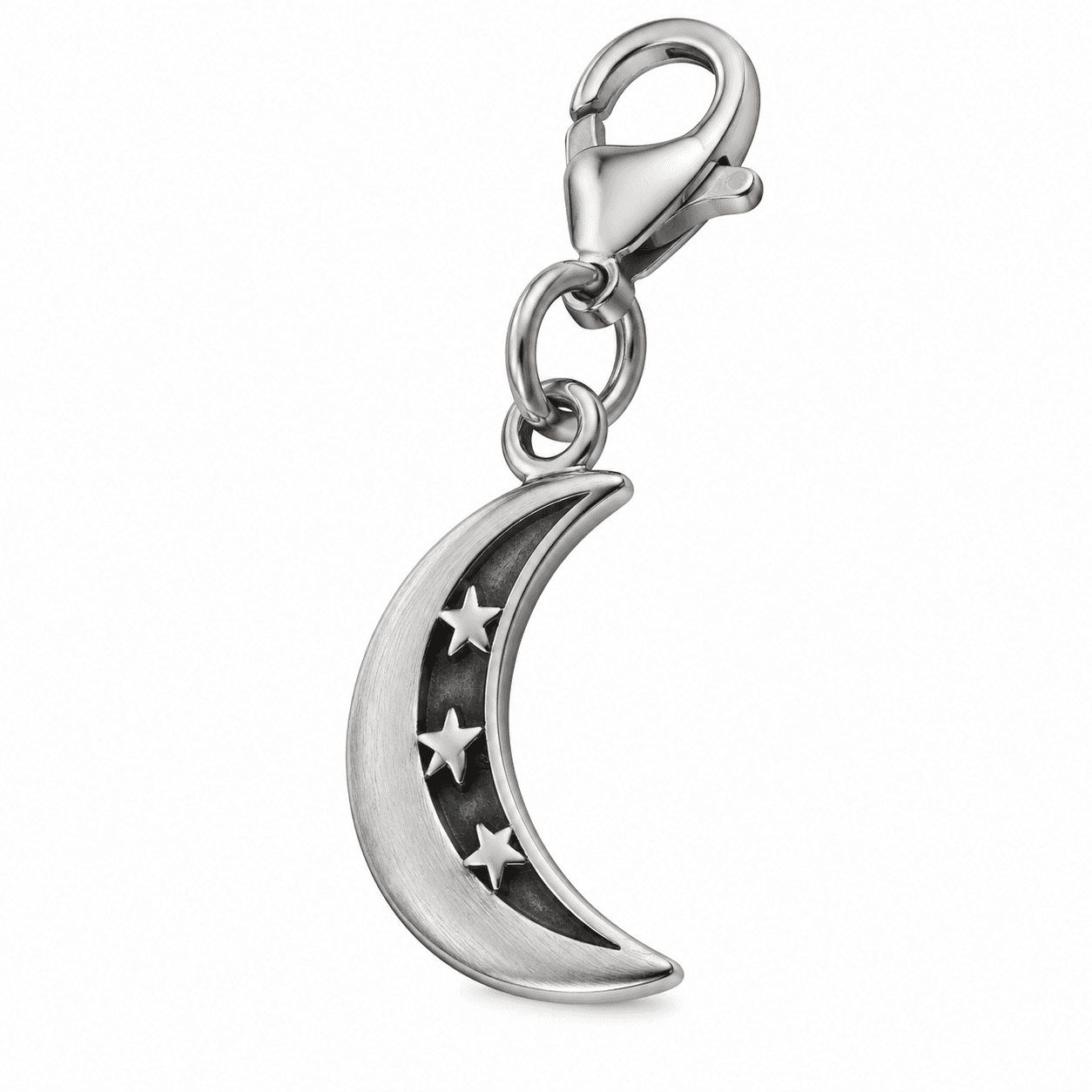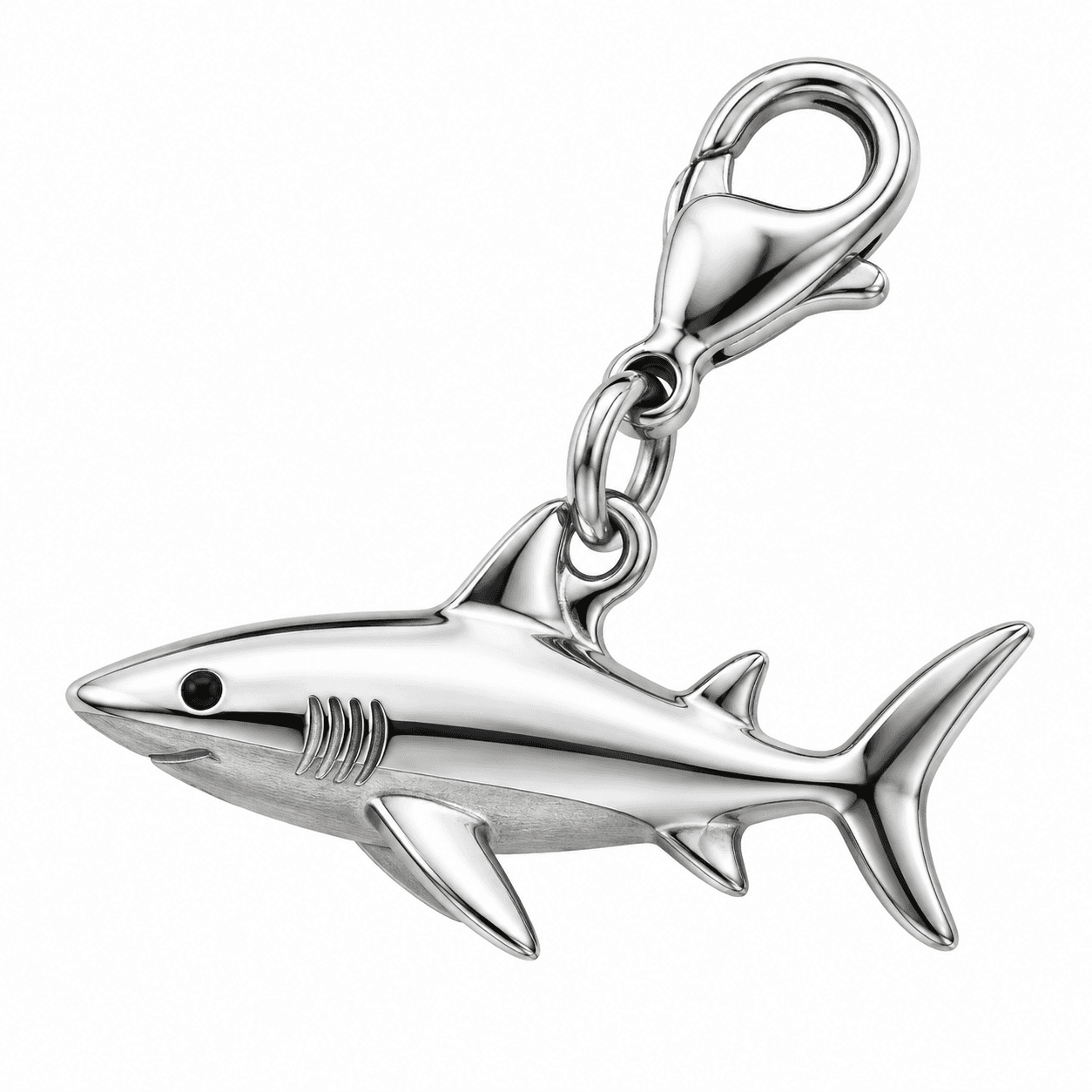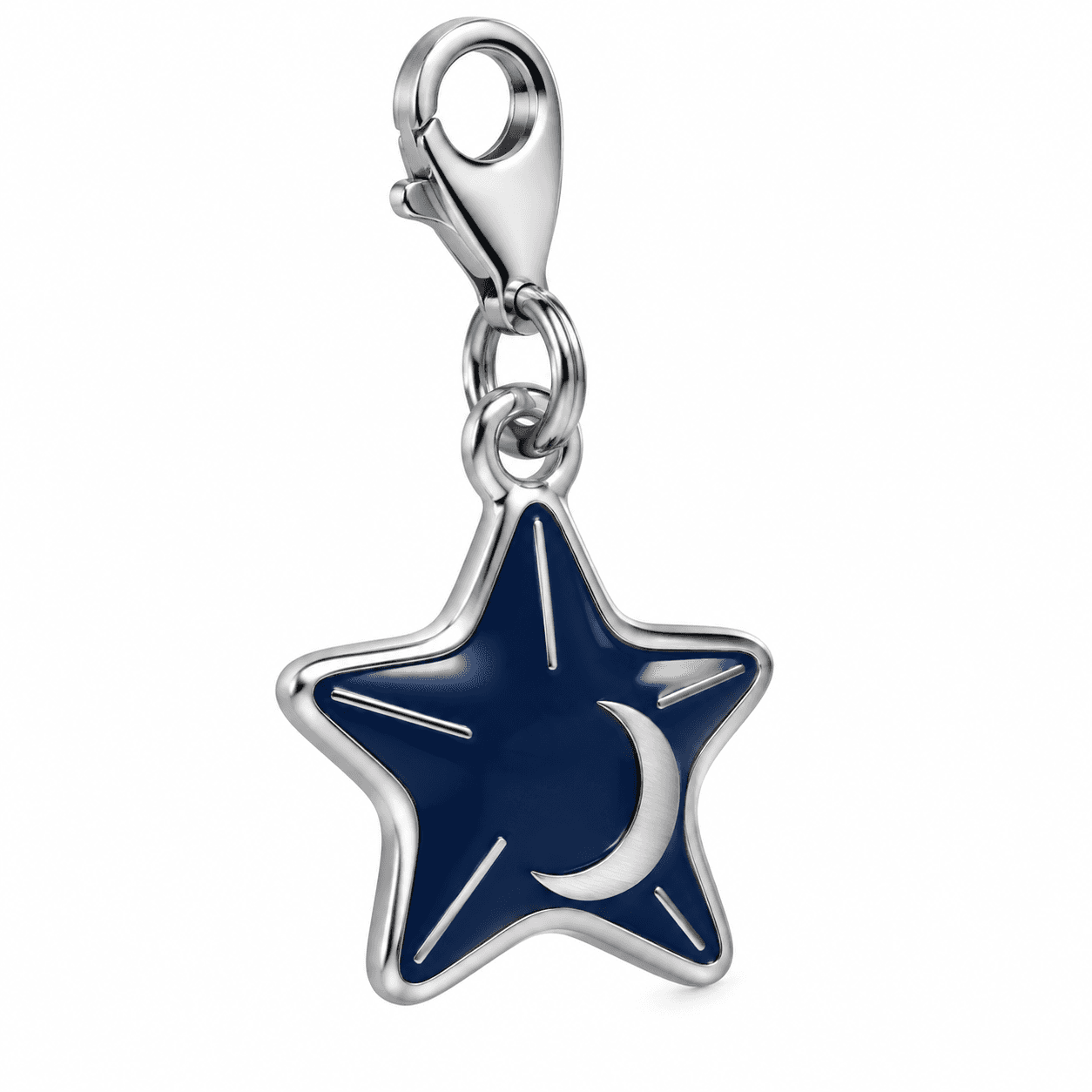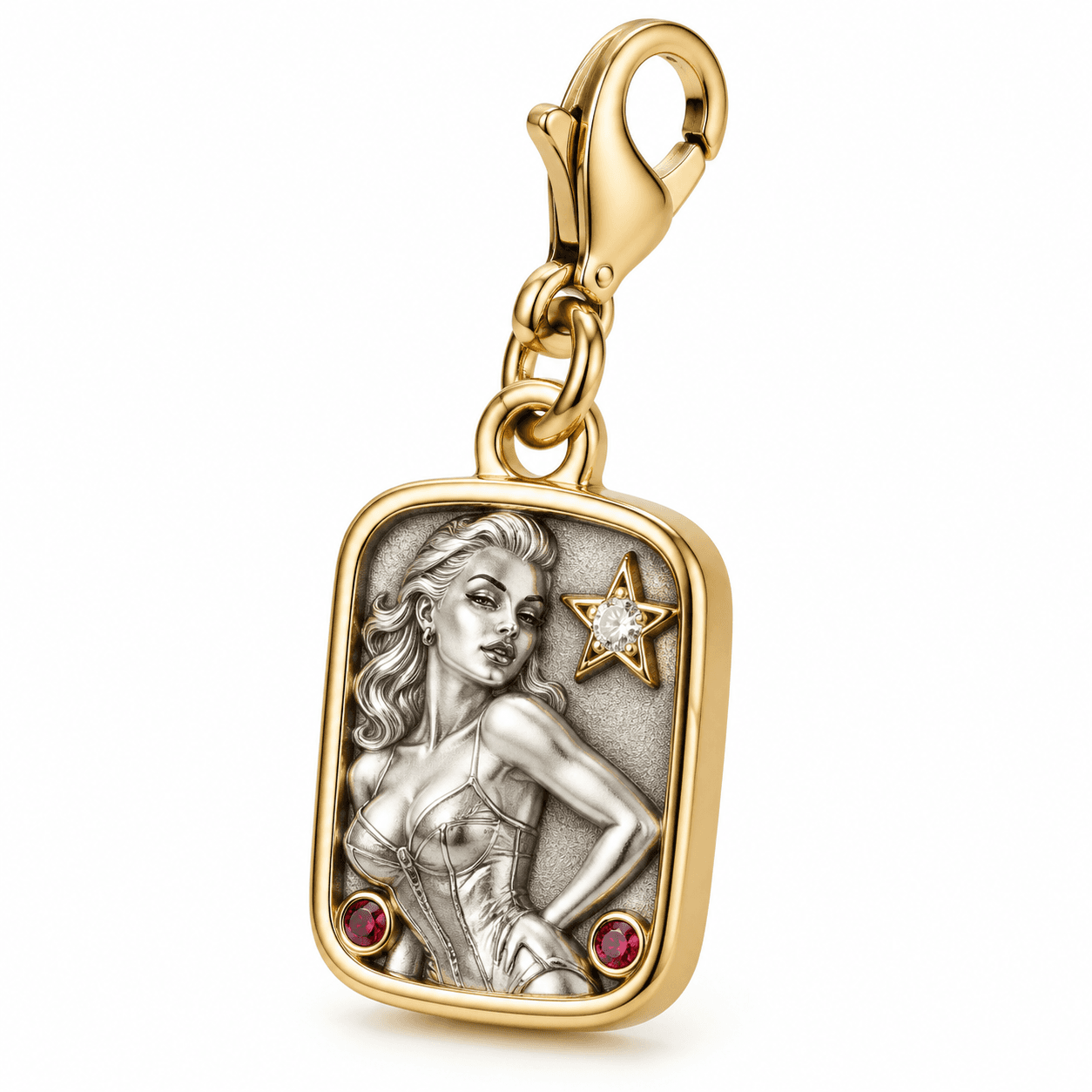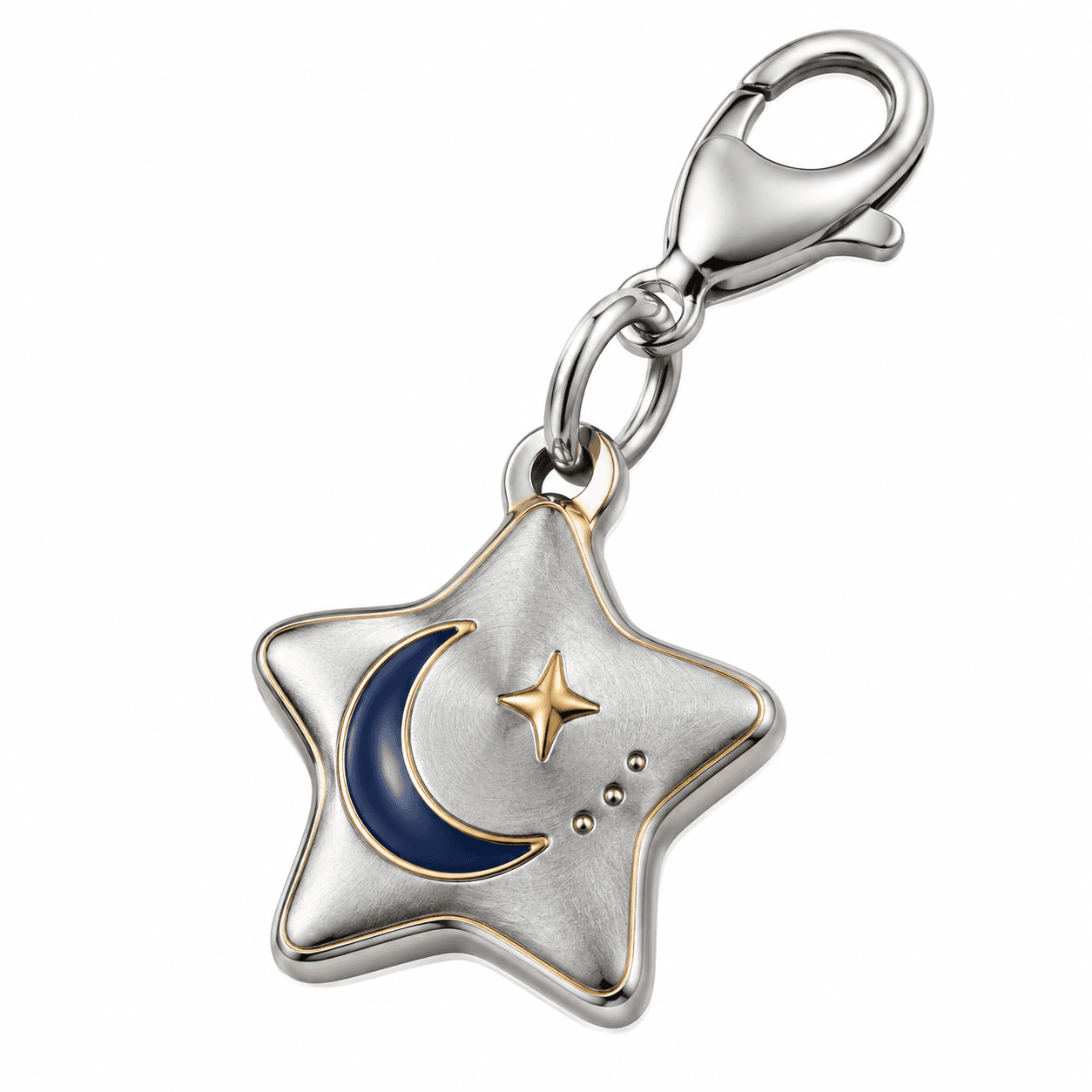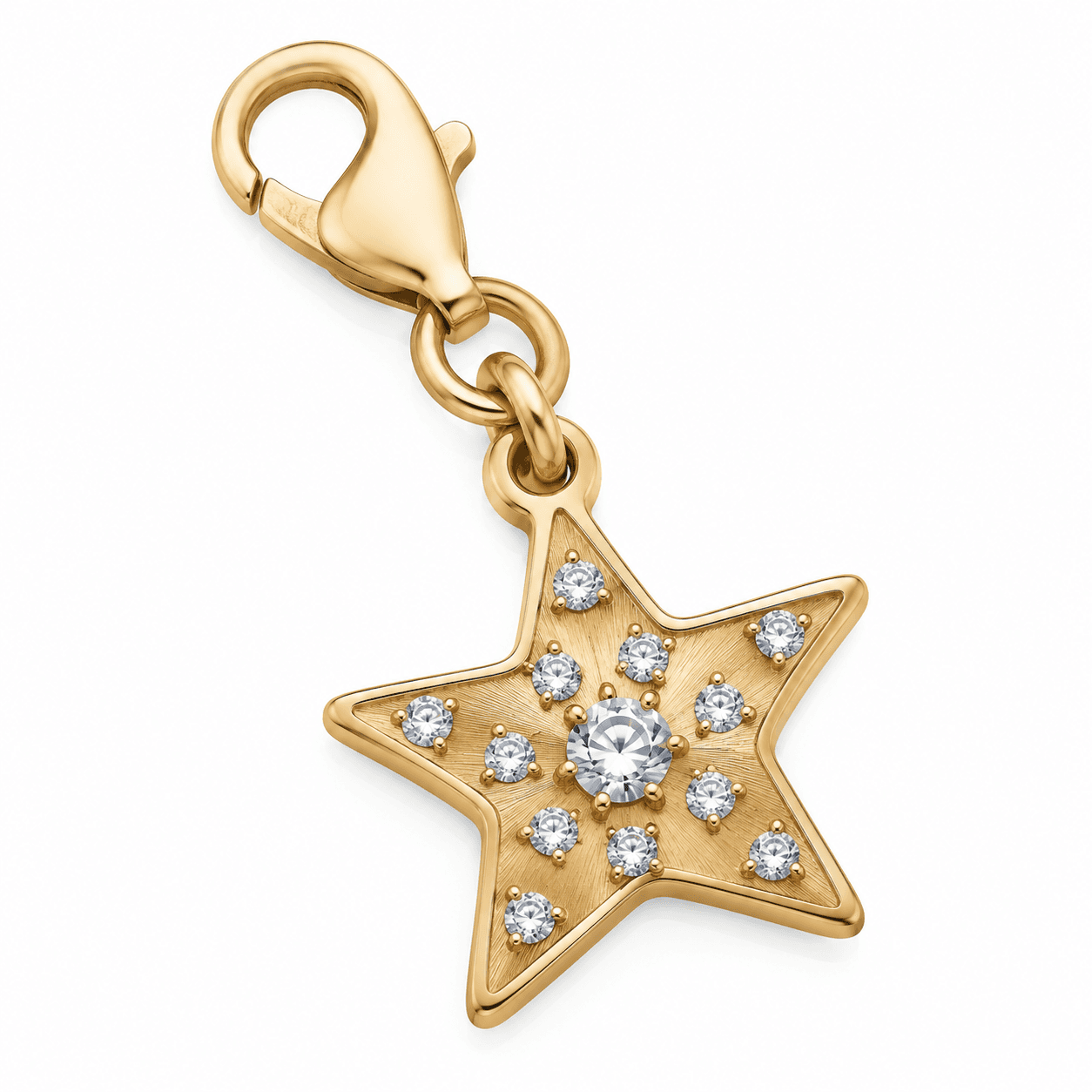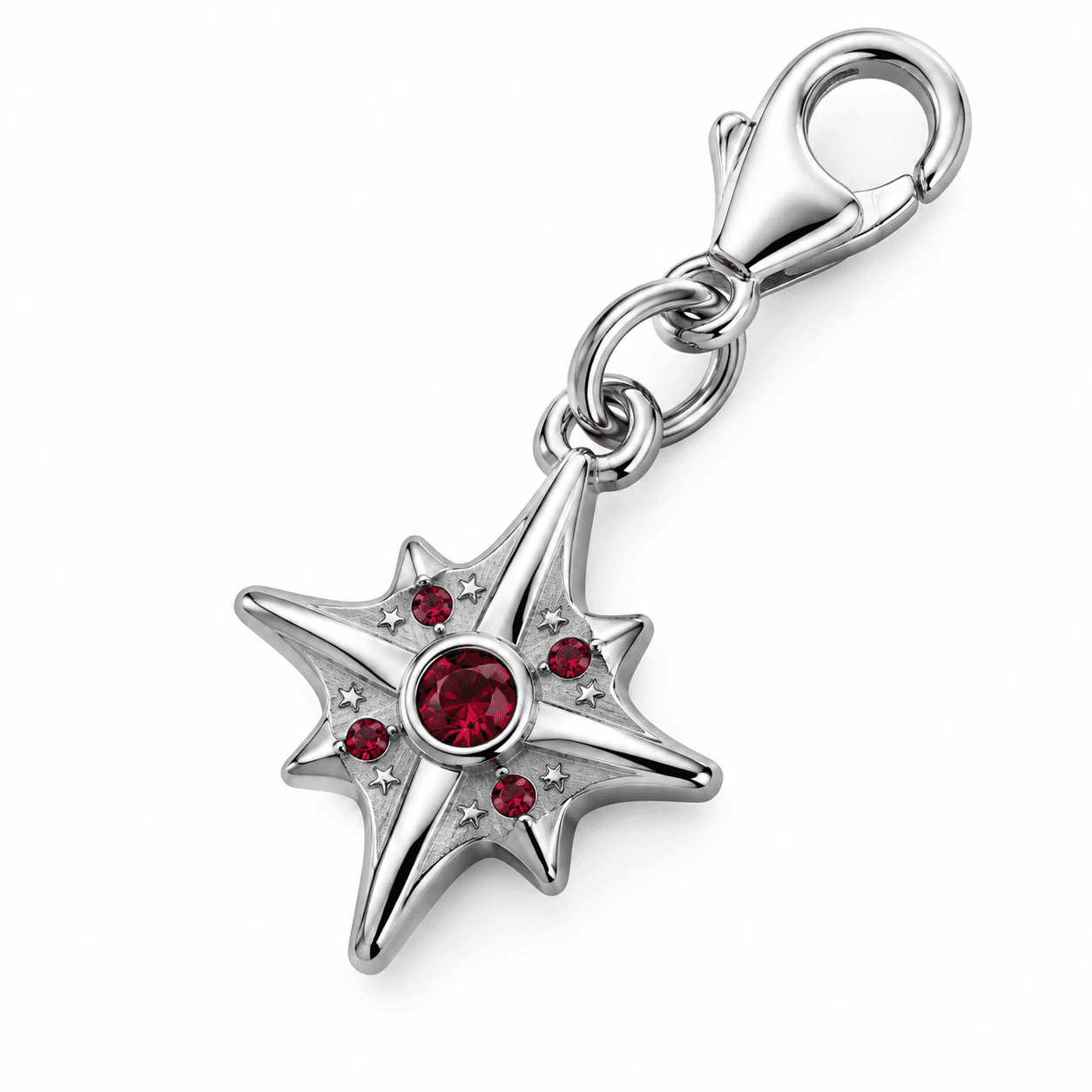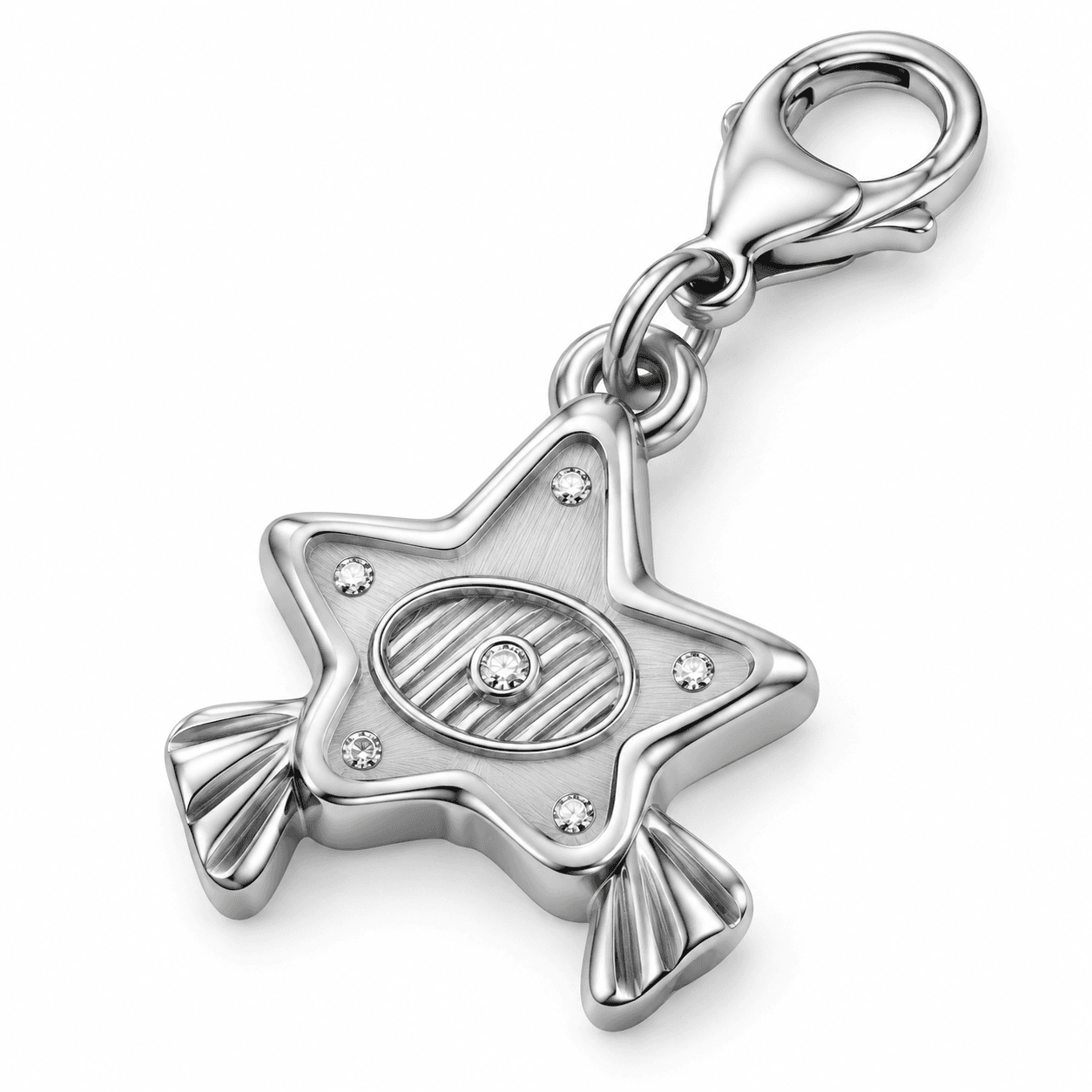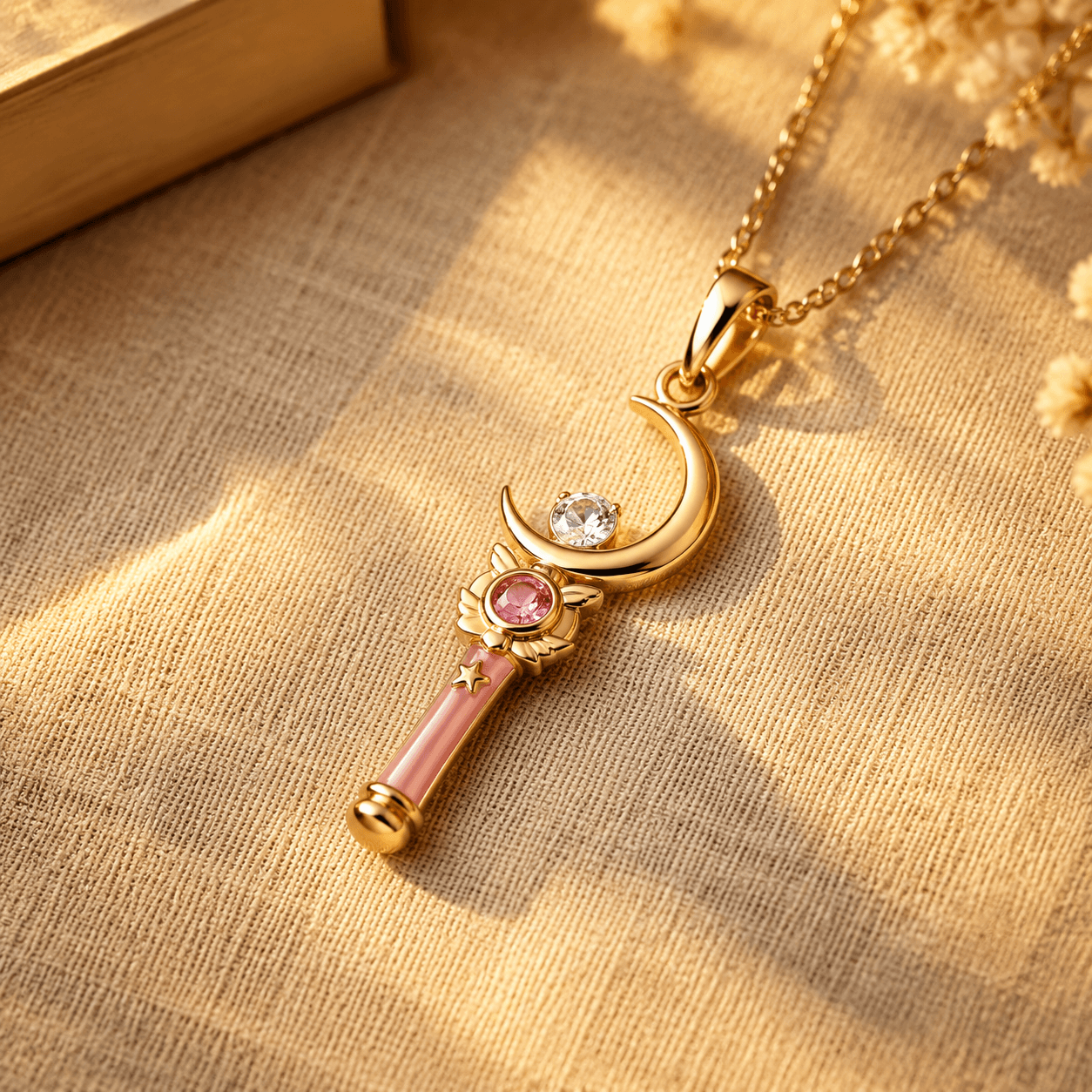
A crescent moon charm brings a sense of mystery, quiet elegance, and personal meaning to jewelry styling. Paired with midnight blue, silver finish, subtle crystal inlay, or delicate star motifs, this versatile design can create looks ranging from minimalist everyday accessories to expressive evening accents. The key to a balanced celestial look is choosing a focal charm, coordinating its finish with surrounding details, and allowing each element enough visual space.
For boutique jewelry brands, charm bar retailers, and gift businesses, these styling principles also offer a practical way to plan coordinated collections. Lancy Jewelry specializes in 316L stainless steel charms and supports OEM and ODM development, PVD plating, enamel color filling, crystal setting, logo engraving, and private-label packaging. Explore the ideas below for personal styling inspiration and discover how a clear design direction can translate into a commercially practical charm collection.
Crescent Moon Charm Styling: Build a Celestial Look
Start With a Crescent Moon Charm as Your Focal Point
A crescent moon charm works best when its silhouette remains easy to recognize. For a clean daytime look, choose a polished silver finish and pair the crescent with one small star motif or a restrained geometric accent. The contrast between the curved moon shape and sharper star points creates visual movement without making the arrangement feel crowded. For a warmer appearance, a gold plated finish introduces a soft glow, while rose gold plating gives the design a more delicate, romantic character. These combinations make it easier to adapt one recognizable motif to different wardrobes, gifting occasions, and customer preferences.
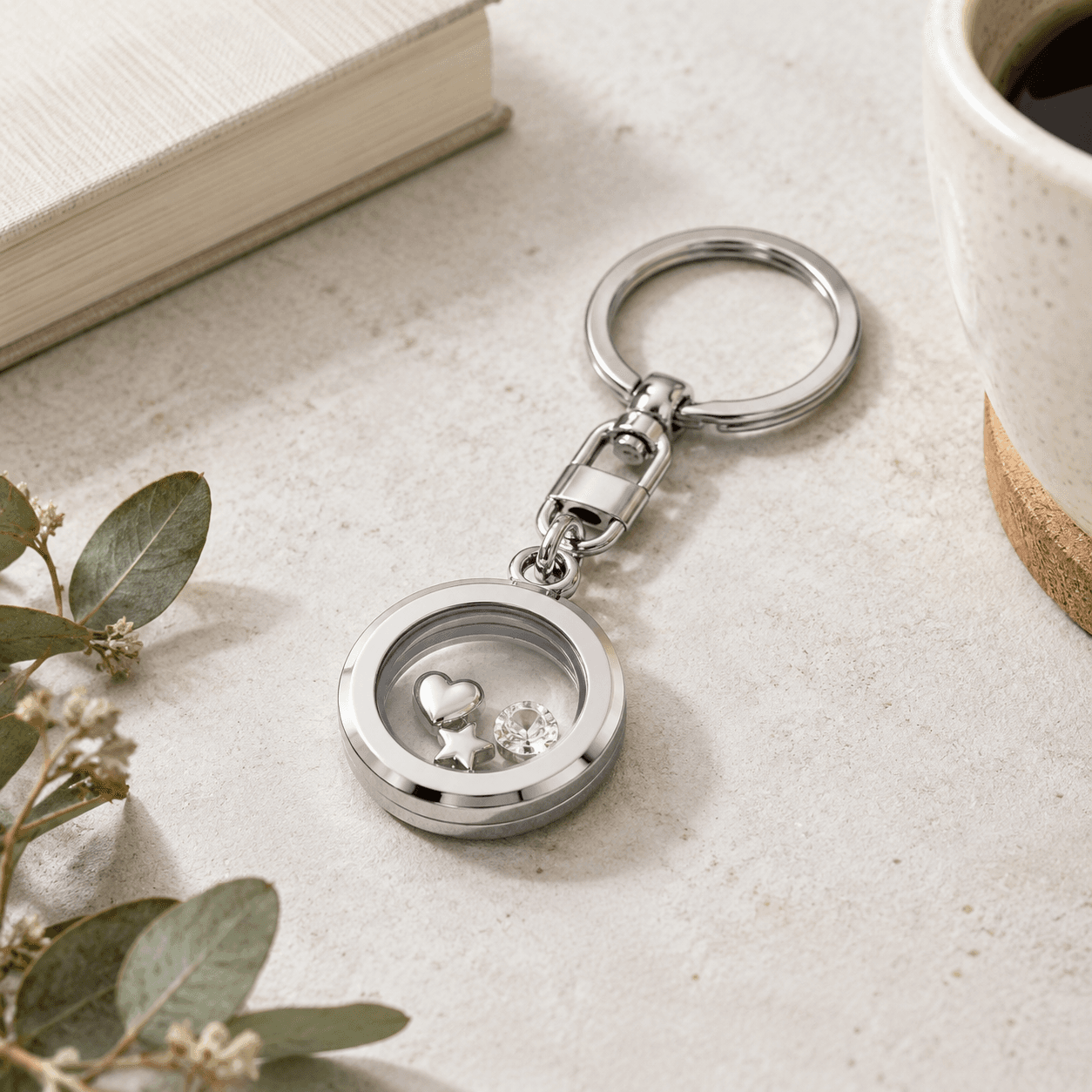
Think about proportion before adding more details. A small crescent can be an understated accent on a bracelet or a subtle feature in a charm bar assortment, whereas a more detailed design can serve as the central element of a necklace styling concept. Keep the number of prominent motifs limited, and use differences in shape, surface texture, or finish to establish a clear visual hierarchy. For retailers planning a coordinated range, a crescent, a six-point star, and a simple circular accent provide three distinct silhouettes that can be styled individually or grouped into a consistent celestial theme.
For commercial development, a 316L stainless steel charms manufacturer can help translate the desired silhouette into a repeatable product specification. Lancy supports custom stainless steel charms with development options including logo engraving, PVD plating, enamel, and crystal inlay. Buyers should identify the intended charm size, attachment method, preferred finish, and target retail positioning early in the process. These decisions help the factory assess design feasibility and develop a sample that reflects the intended appearance rather than relying on a mood board alone.
Five Visual Styling Ideas for Moon and Star Motifs
Explore Five Easy-to-Adapt Styling Directions
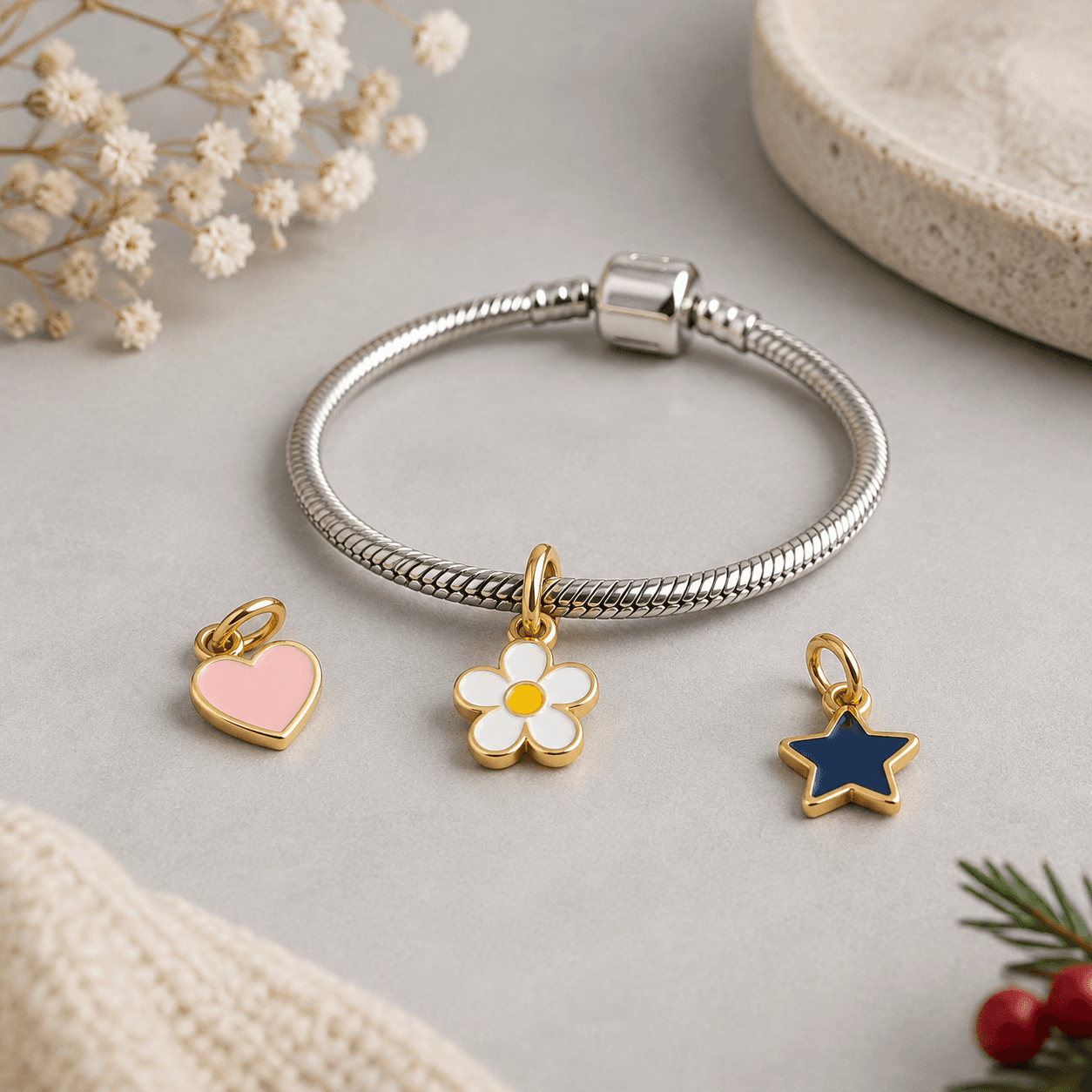
1. Silver celestial minimalism. Combine a silver finish crescent with a small six-point star and keep the remaining visual elements simple. A neutral background, crisp shirt, and understated accessories make this combination suitable for everyday styling. 2. Midnight color contrast. Pair a dark blue enamel accent with a polished crescent and a restrained crystal detail. The darker color establishes depth, while the reflective surface provides contrast. 3. Warm golden accents. A gold plated crescent paired with a small star creates a warmer palette that works well with cream, brown, and black clothing. 4. Romantic rose tones. Rose gold plating and a smooth heart motif introduce a softer direction without overwhelming the moon silhouette. 5. Nature-meets-celestial styling. A crescent combined with a leaf or butterfly motif brings together organic curves and night-sky symbolism.
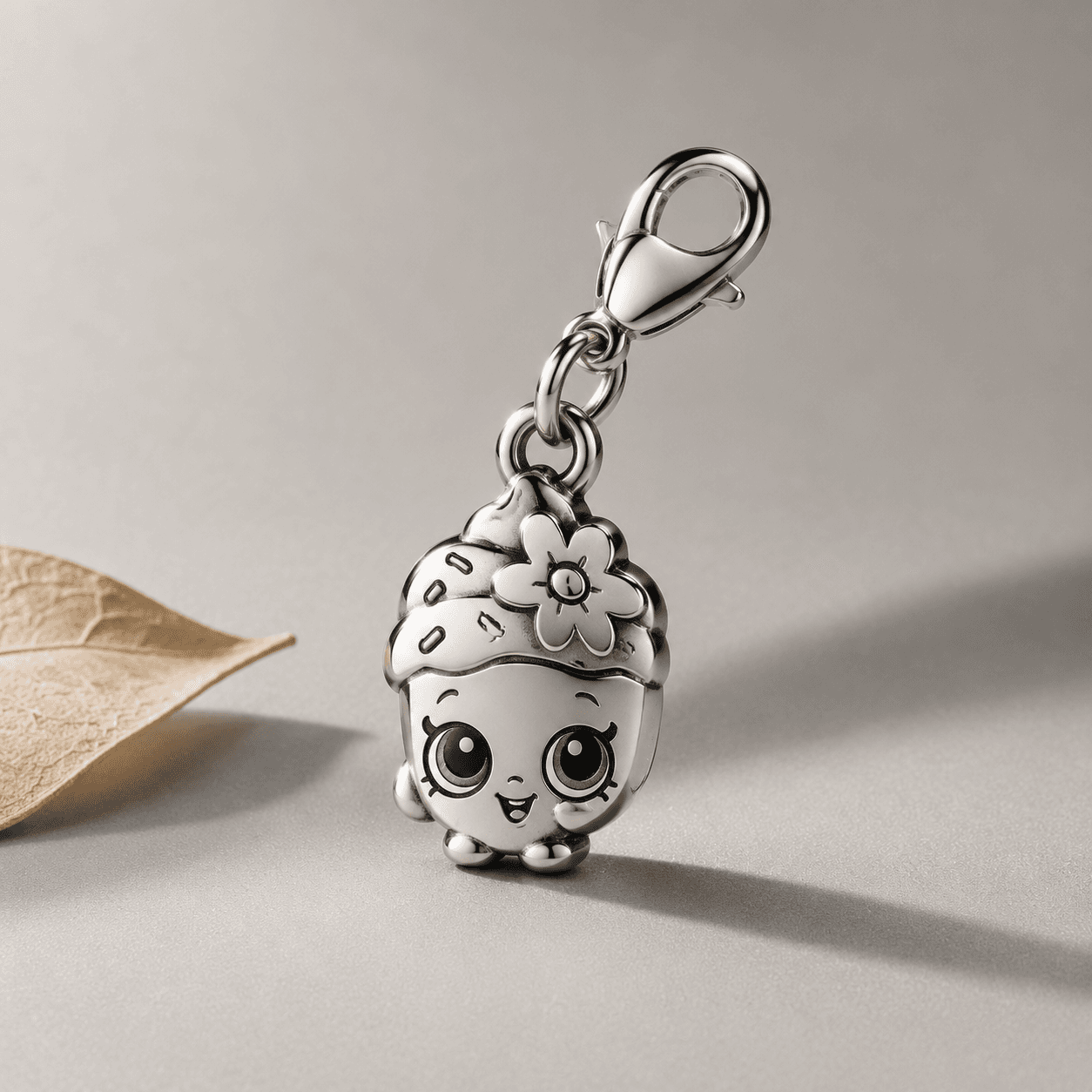
For a visual gallery, photograph each direction against a consistent neutral background so the shape, finish, and color remain easy to compare. One image can show the complete charm, another can focus on the surface finish, and a third can demonstrate the charm attached through a real hole or closed jump ring. If a packaging card or display tray is included, use it as a subtle scale reference rather than allowing props to dominate the image. Keep the entire product visible and make sure connectors appear physically plausible. These details help customers understand both the design and its intended use.
For boutique buyers, the same five directions can become a practical collection-planning framework. A retailer might begin with silver finish and gold plated options, then test demand for enamel color and crystal inlay through a limited first assortment. An ODM charm supplier can help evaluate which design variations share a common base silhouette and which require separate development. This approach supports visual consistency across the range while giving merchandising teams enough variety to create distinct product stories. It also helps keep sampling, photography, and packaging decisions aligned with the final assortment.
Match Finishes, Colors, and Proportions With Confidence
Choose a Finish That Supports the Styling Story
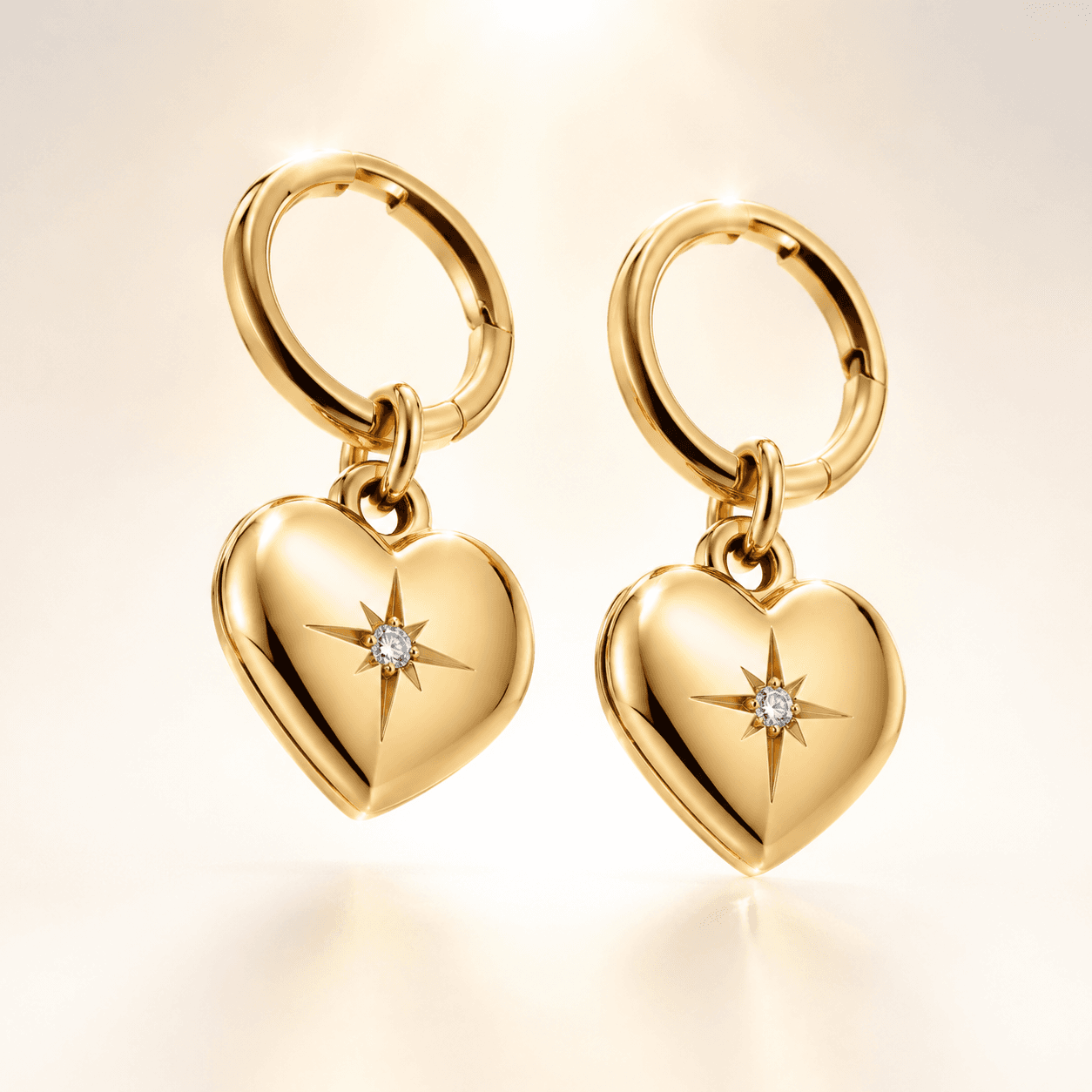
Finish selection affects how a crescent moon charm reads in photographs and in person. A silver finish emphasizes clean lines and a cool, understated palette. Gold plated surfaces add warmth and can create a stronger contrast against dark clothing or midnight-blue enamel. Rose gold plating offers a softer color direction, while crystal inlay can introduce a controlled point of light. Enamel is useful when a design needs a distinct color block, such as deep blue for a night-sky theme or a muted teal accent for a more contemporary palette. The goal is not to use every finish at once; it is to select a combination that reinforces the intended mood.
Size and spacing matter just as much as color. Small charms are generally easier to combine with several motifs, while larger designs are better treated as the focal element. Before approving a sample, review the front silhouette, edge definition, surface appearance, attachment hole, and connector clearance. A charm should hang naturally without the jump ring crossing an important design feature. When several shapes are displayed together, make sure their visual weight feels balanced and that the smallest details remain legible at the expected viewing distance. Consistent photography helps reveal whether two finishes complement each other or compete for attention.
For production planning, Lancy uses 316L stainless steel charms as its base-material focus, with available customization options assessed against the design and order requirements. Buyers can discuss PVD plating, enamel color filling, crystal setting, and logo engraving during development. Request a finish reference, a sample for physical review, and applicable test documentation before confirming a large order. Where relevant to the product and destination market, buyers can ask about available SGS documentation or reports covering RoHS, REACH, EN1811, and salt spray testing. Applicability depends on the product, finish, test scope, and requirements of the intended market; documentation should be verified rather than assumed.
Turn Styling Inspiration Into a Boutique-Ready Collection
From Visual Concept to Repeatable Product Range
Successful charm collections connect an appealing design story with practical retail decisions. A boutique may use a crescent as the anchor of a celestial assortment, supported by star, heart, and geometric motifs. A gift company may prefer a smaller selection of clearly differentiated designs with coordinated packaging. A charm bar retailer may prioritize recognizable silhouettes, easy-to-explain themes, and enough finish variation to support customer personalization. Each route calls for a different balance of design variety, packaging, sampling, and inventory commitment. The most effective starting point is a defined audience and a short list of products that serve a clear merchandising purpose.
Consider a planning example in which a boutique wants to launch a three-design night-sky assortment. The buyer selects a crescent, a six-point star, and a circular accent, then requests a silver finish sample and a gold plated alternative for the lead design. The team evaluates appearance, attachment function, packaging presentation, and the consistency of the finish before selecting the launch assortment. This is an illustrative workflow, not a claim about a completed customer project. It demonstrates how a small, controlled sample round can help a buyer make decisions before committing to bulk charm orders. Actual development time, MOQ, and pricing depend on design complexity, decoration, tooling requirements, and order quantity.
Lancy supports OEM development for buyer-supplied concepts and ODM development for customers who need assistance refining a product direction. A practical RFQ should include reference images, approximate dimensions, base material confirmation, finish requirements, color details, logo artwork if applicable, estimated quantity, destination market, and packaging needs. Buyers can browse the product catalog to identify useful design directions, review OEM manufacturing services for customization options, and prepare an inquiry through the RFQ page. Before production approval, request current factory photos, relevant quality-control records, applicable test data, and a sample that reflects the intended specification. This creates a clearer reference for subsequent production checks.
Frequently Asked Questions About Moon Charm Styling and Sourcing
Bring Your Celestial Charm Collection to Life
Turn your crescent moon styling direction into a distinctive product assortment with Lancy Jewelry. Whether you are developing a first boutique range, refreshing a charm bar display, or planning private label charms for a gift program, our team can review your concept and discuss suitable OEM or ODM options using 316L stainless steel as the base material. Start with a focused brief that identifies your preferred silhouettes, finish palette, and intended customer, then use sample review to refine the details before production.
To request an RFQ, send your design references or drawings, approximate dimensions, target quantity by design, preferred silver finish or PVD plating, enamel or crystal inlay requirements, logo artwork, packaging needs, destination market, and desired delivery schedule. Please also identify any required test documentation or quality acceptance criteria. If you are still exploring options, explain your target retail positioning and ask about sample development and low MOQ support. Lancy can assess the information and clarify feasibility, MOQ, sample costs, lead times, and quotation requirements. Visit our OEM service page to review customization options, use the product catalog to explore existing design directions, or submit your inquiry through the RFQ page. For further assistance, contact the team through Lancy Jewelry contact.
Related resources
Related resources
- Lancy Charms Bar
- Premium Charm Collections
- Stainless Steel Animal Jewelry Charms Wholesale: Quality Guide
- Animal Collection
- How to Evaluate 316L Stainless Steel Zodiac Bracelet Charms Wholesale Suppliers
- Stainless Steel Wholesale Military Jewelry Charms Supplier Guide
- How to Source Minimalist Stainless Steel Charms: Finishing Guide
- Custom OEM/ODM Guide to Stainless Steel African Jewelry Charms Wholesale
- 316L Stainless Steel Chinese Zodiac Charms Wholesale: A Finishing Guide
- How to Choose Durable Stainless Steel Charms for Cross-Border E-Commerce