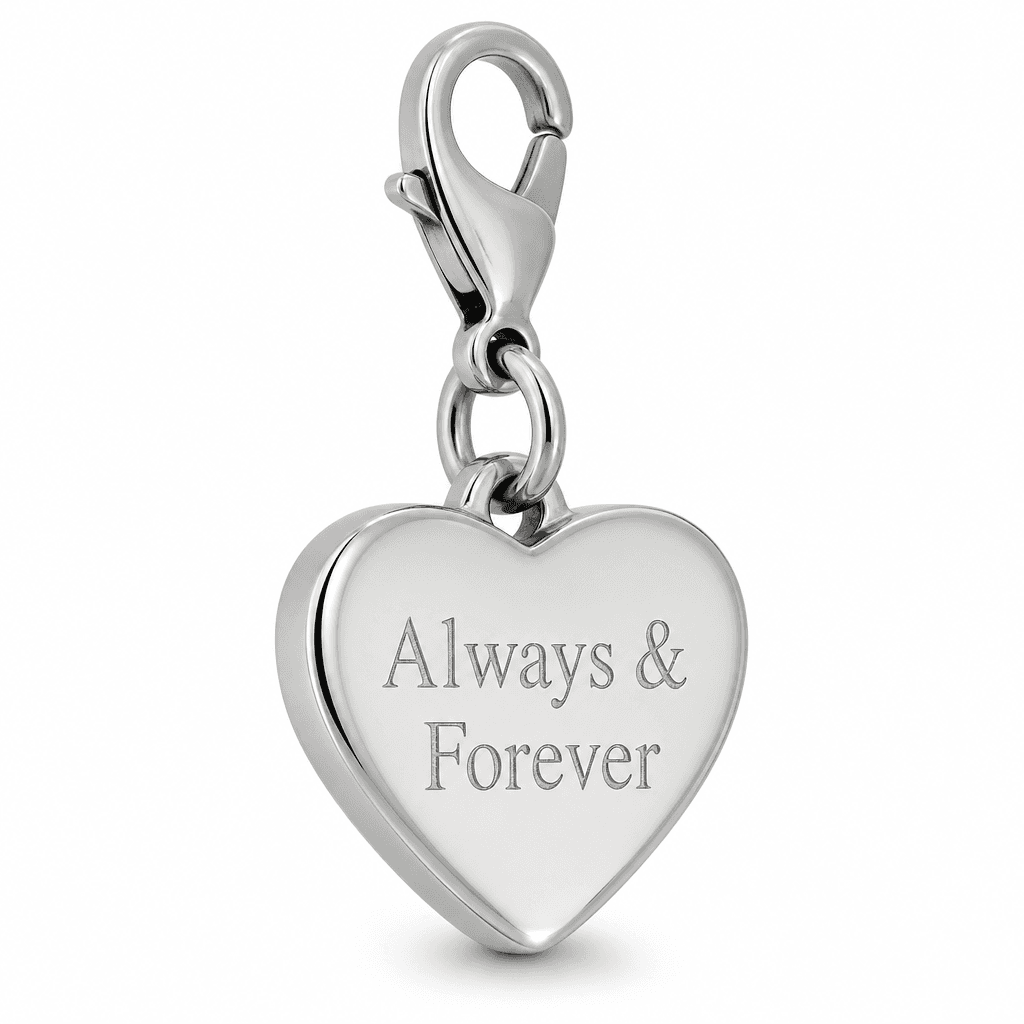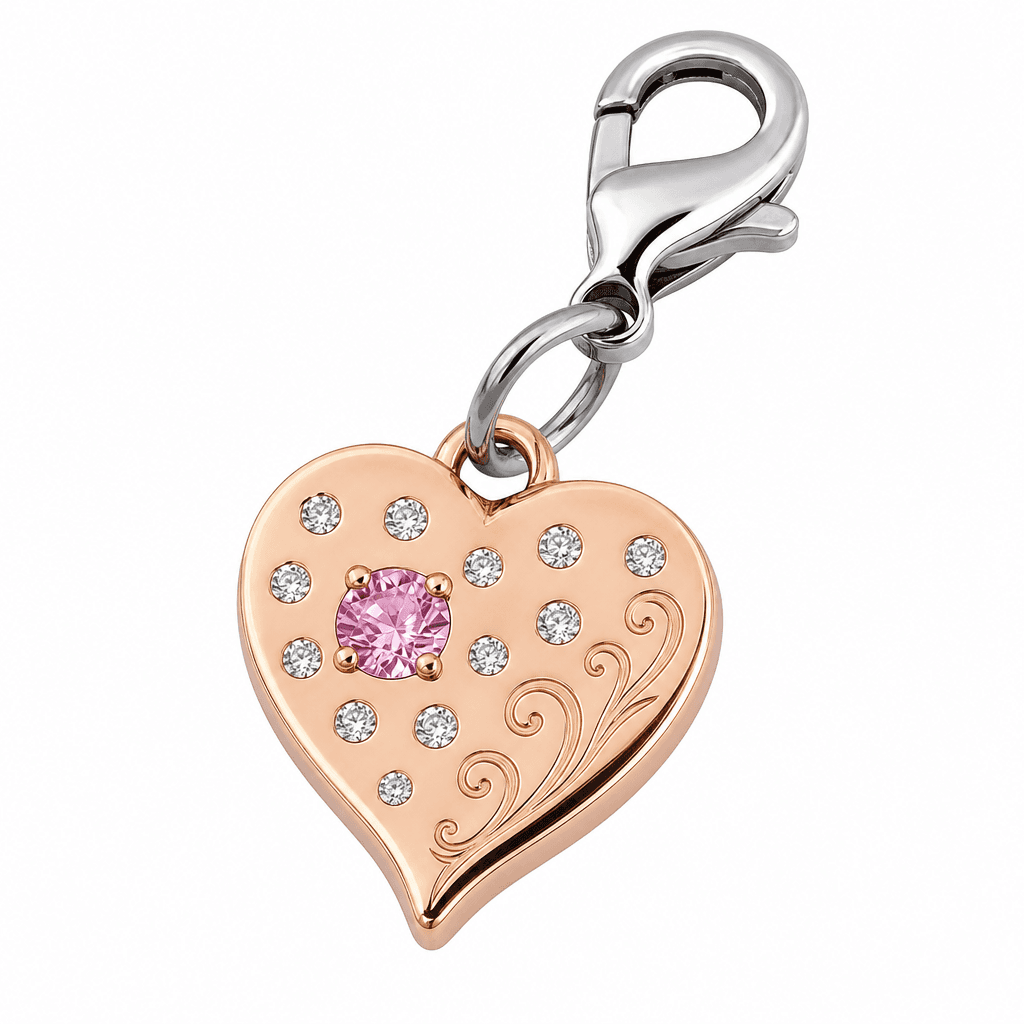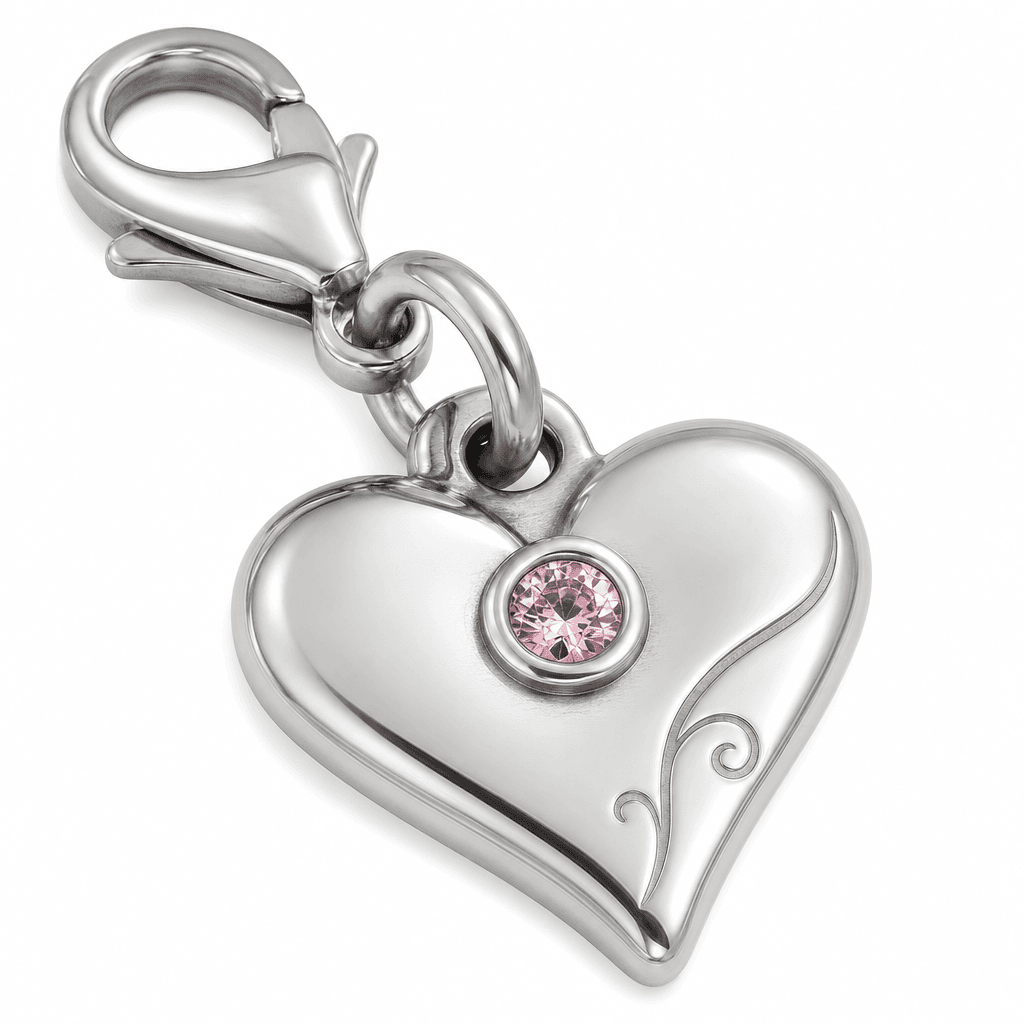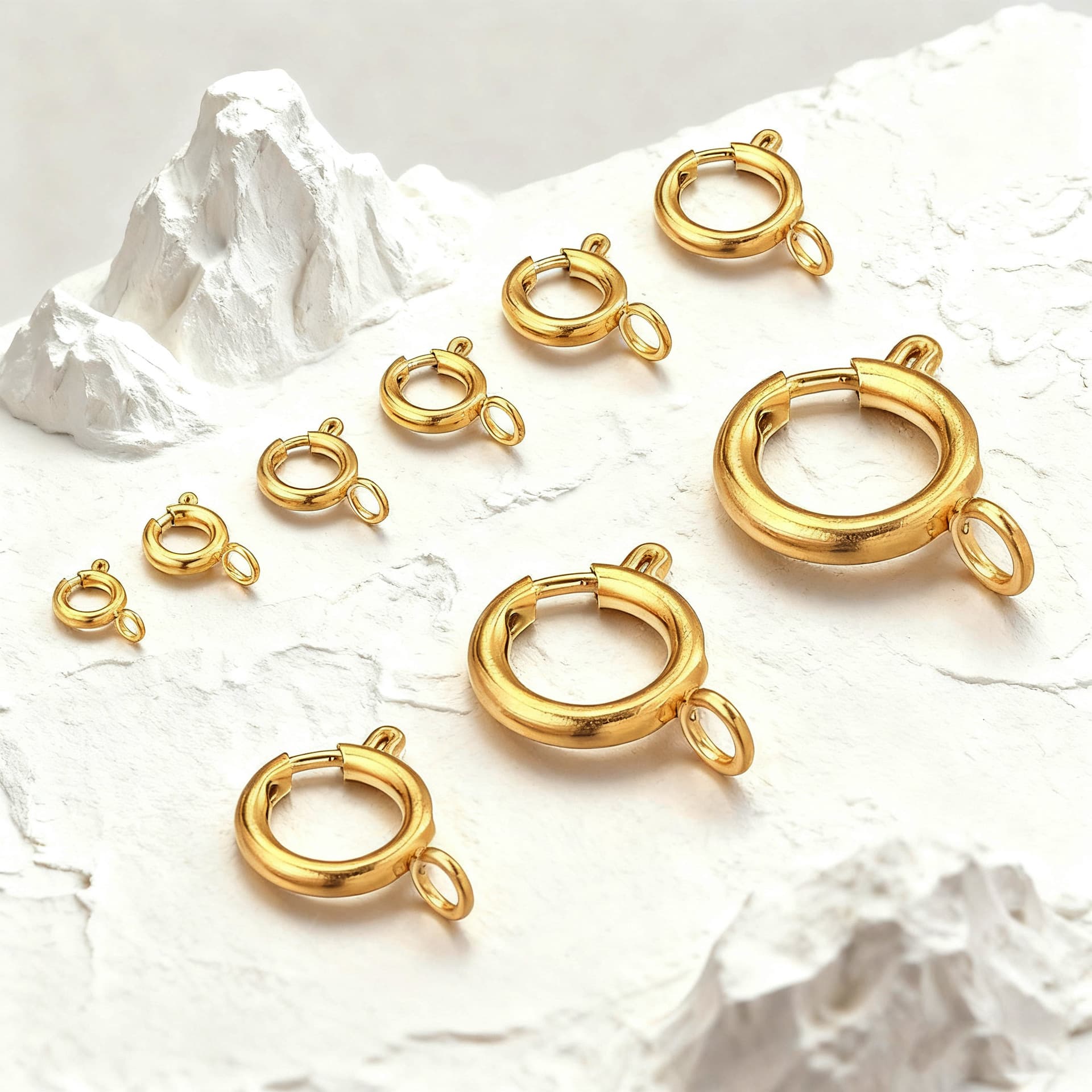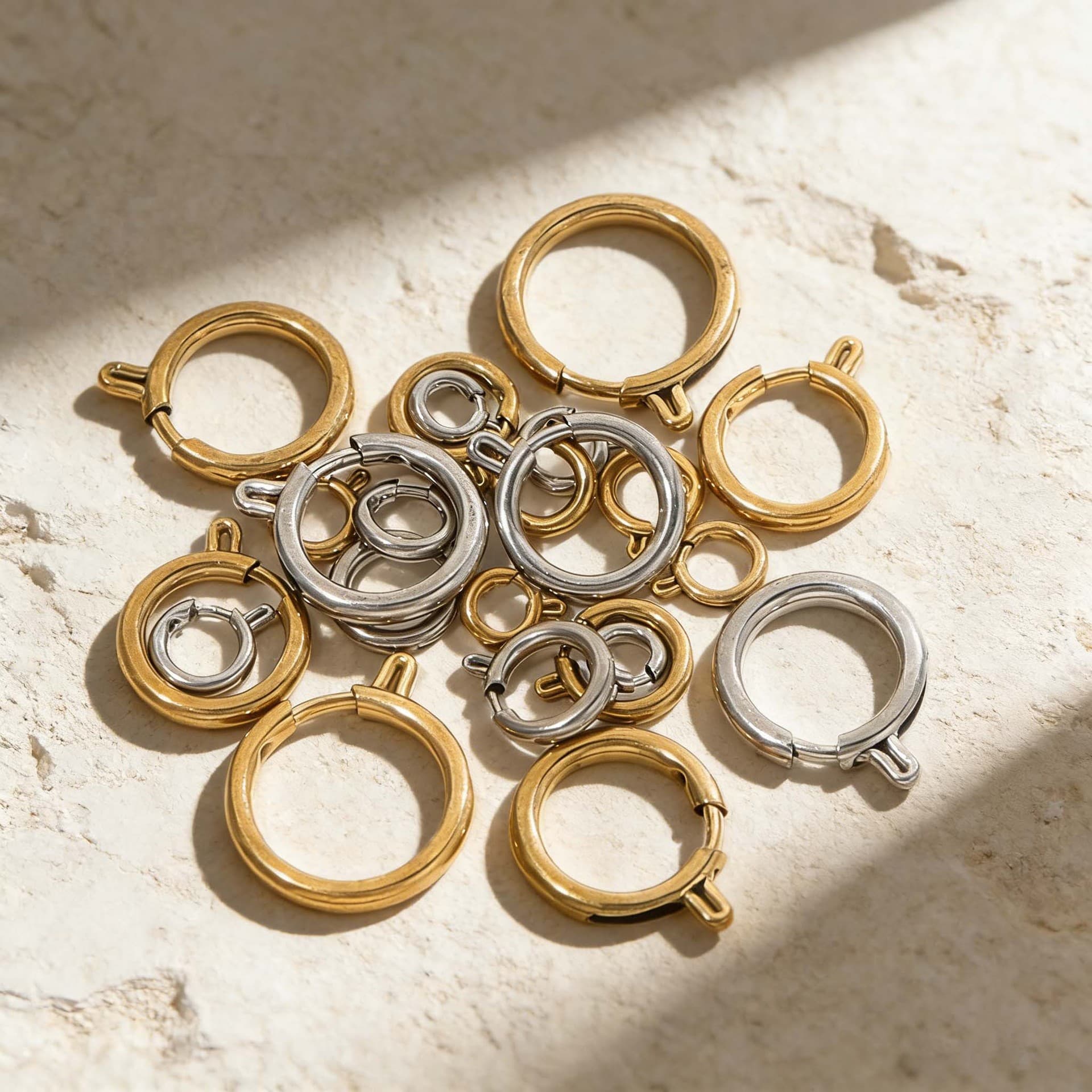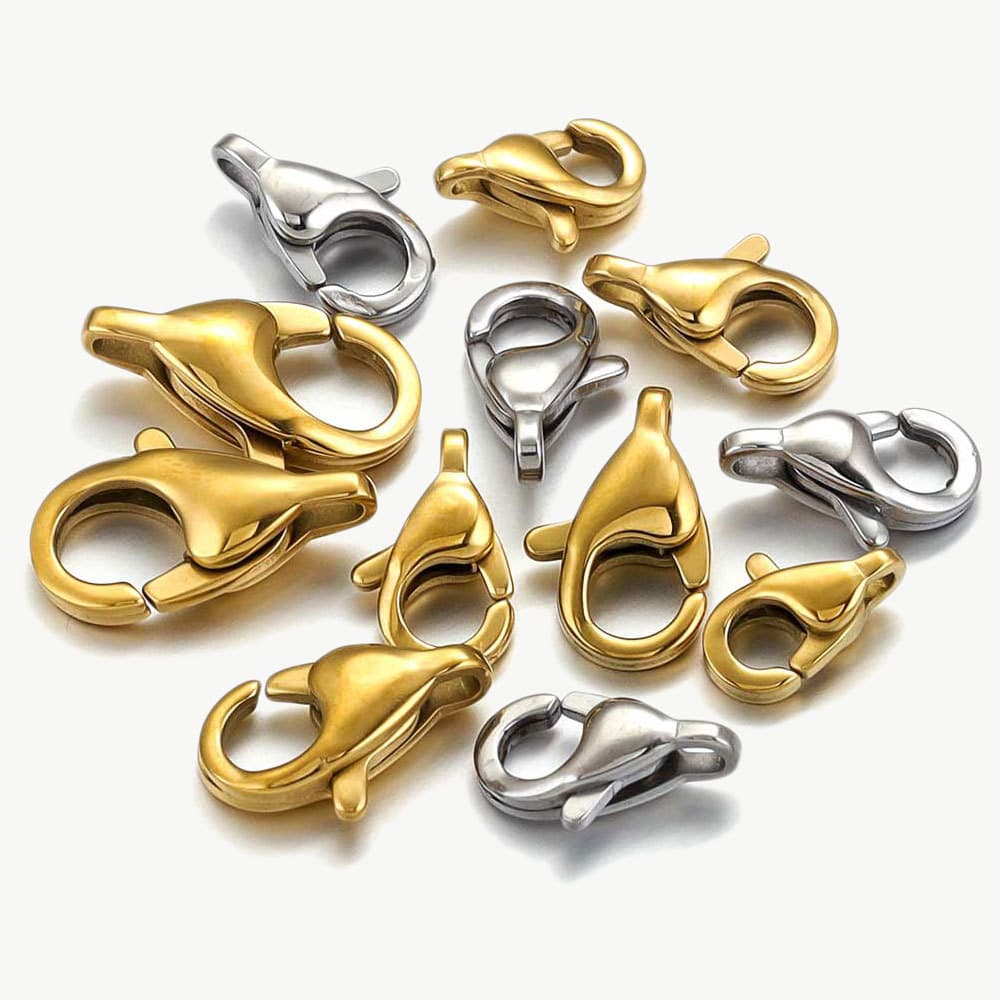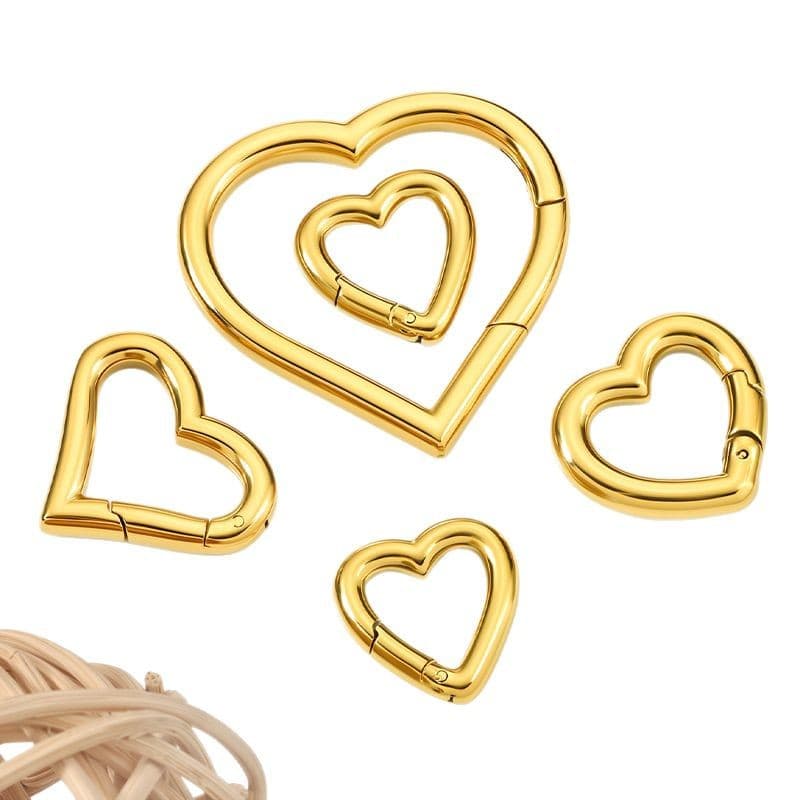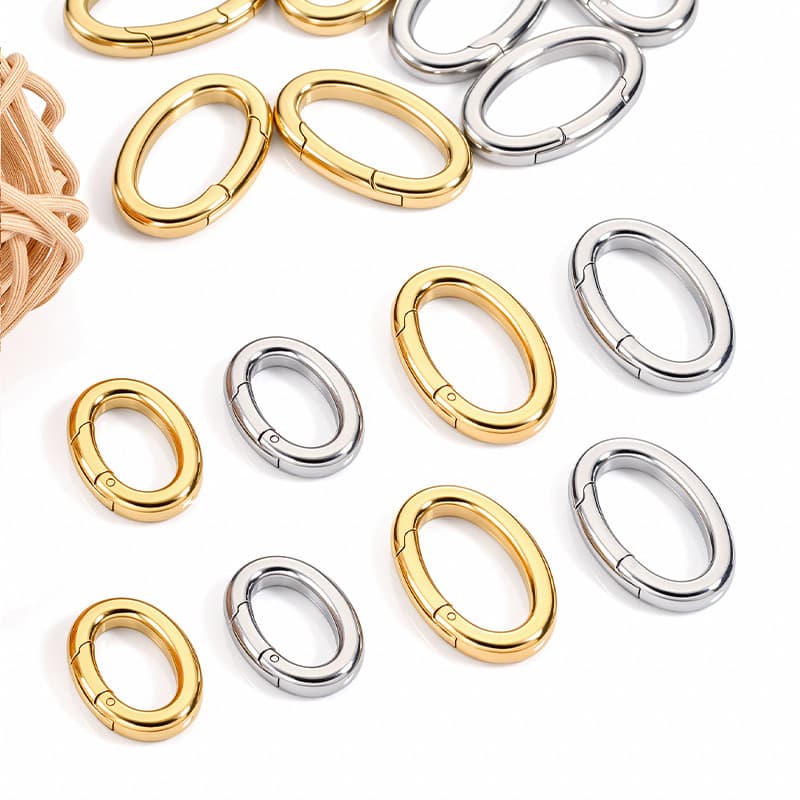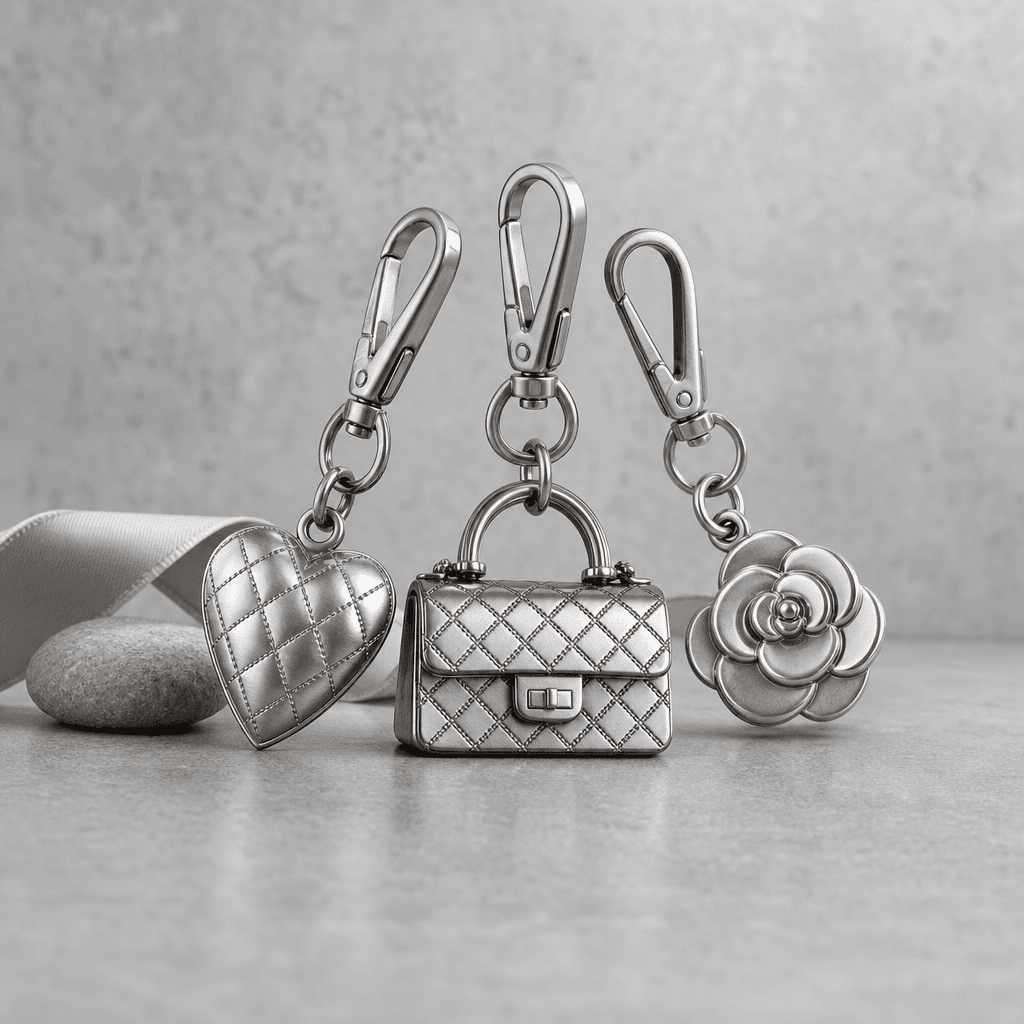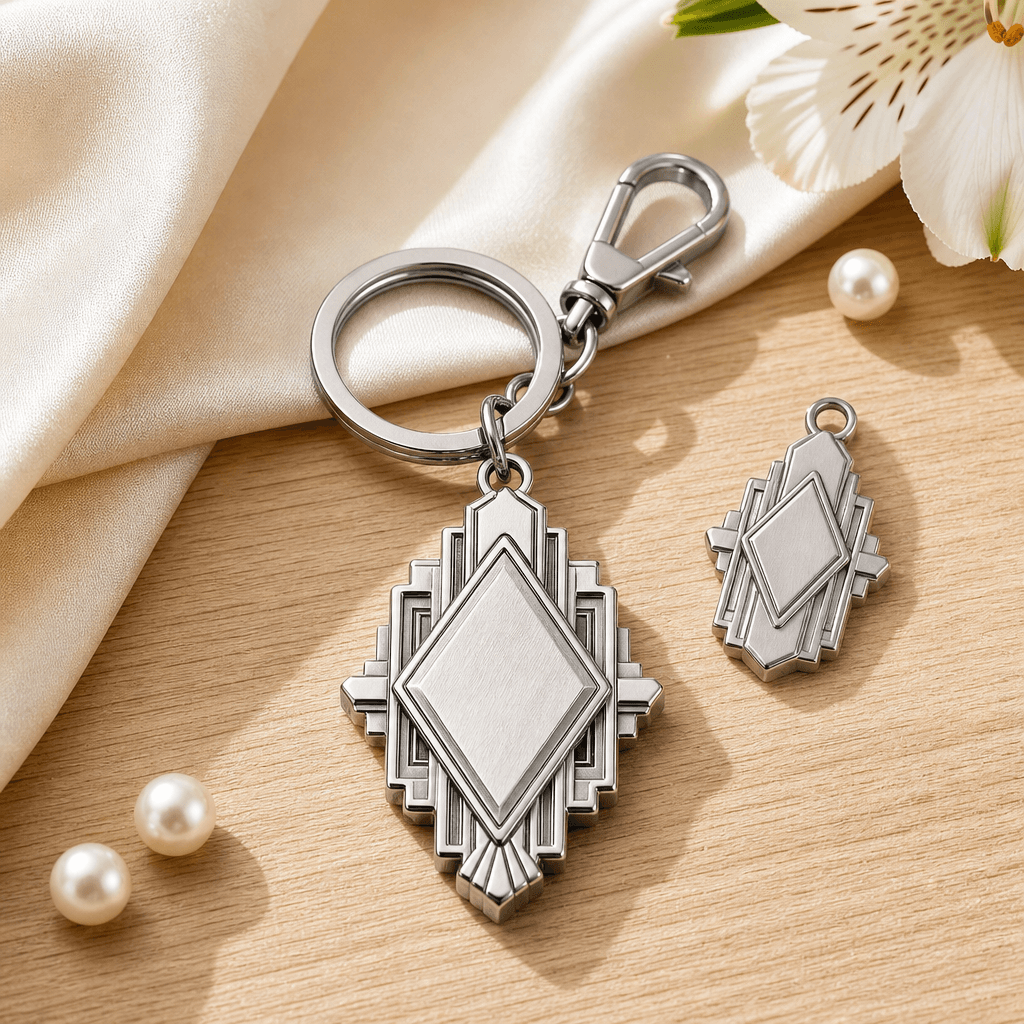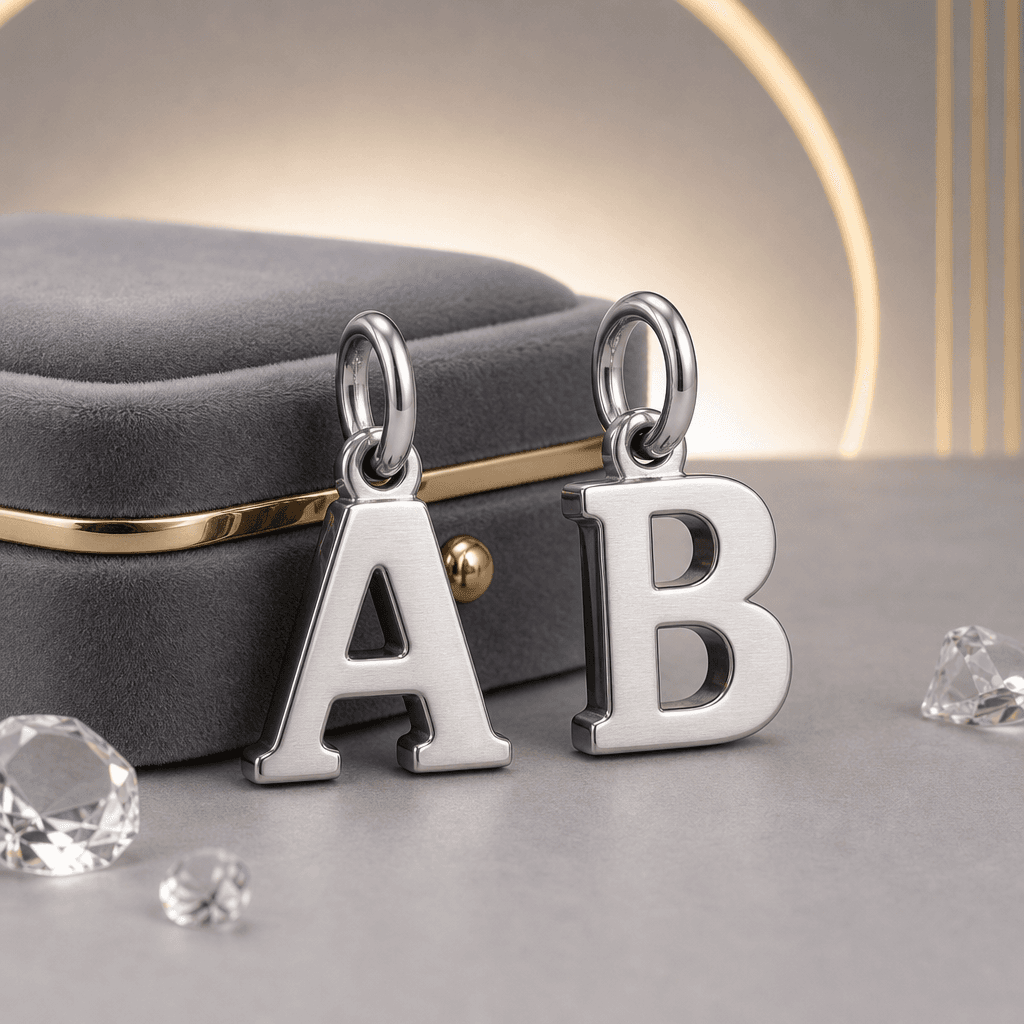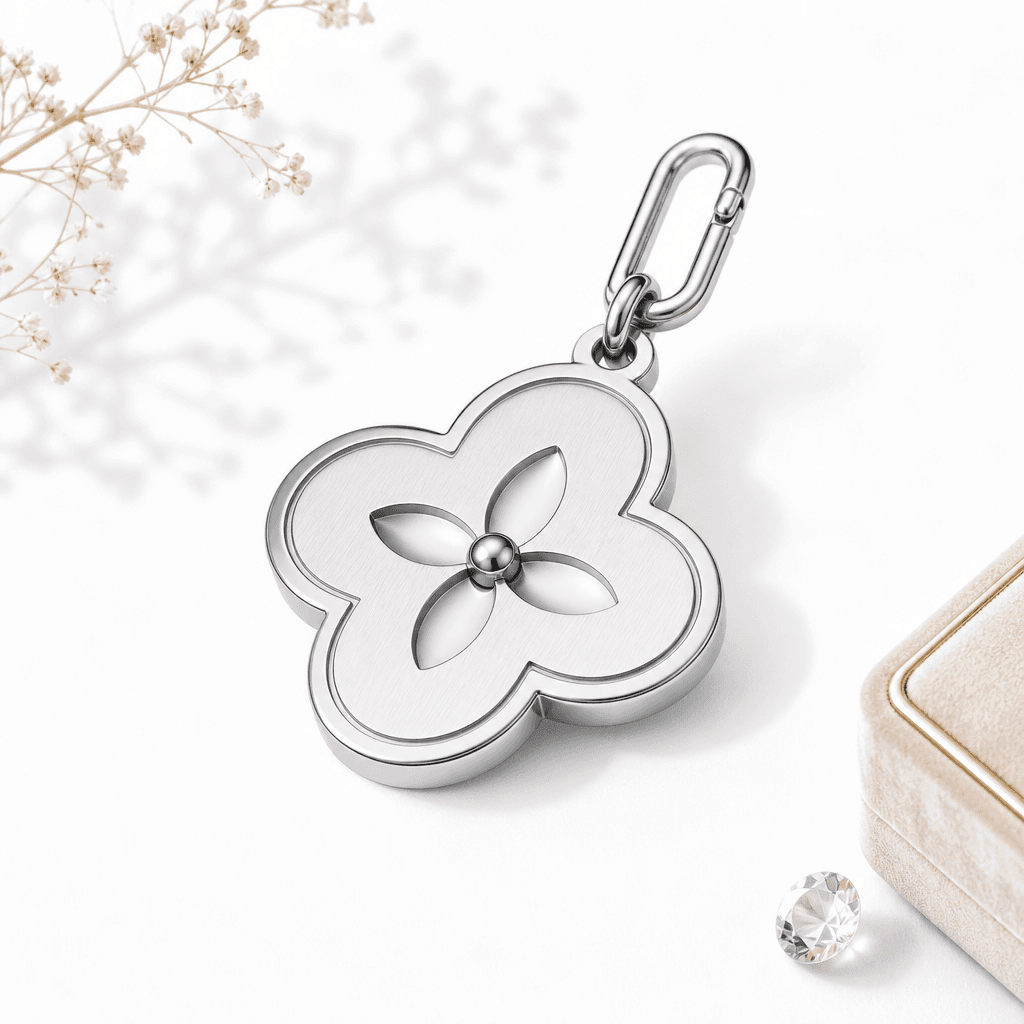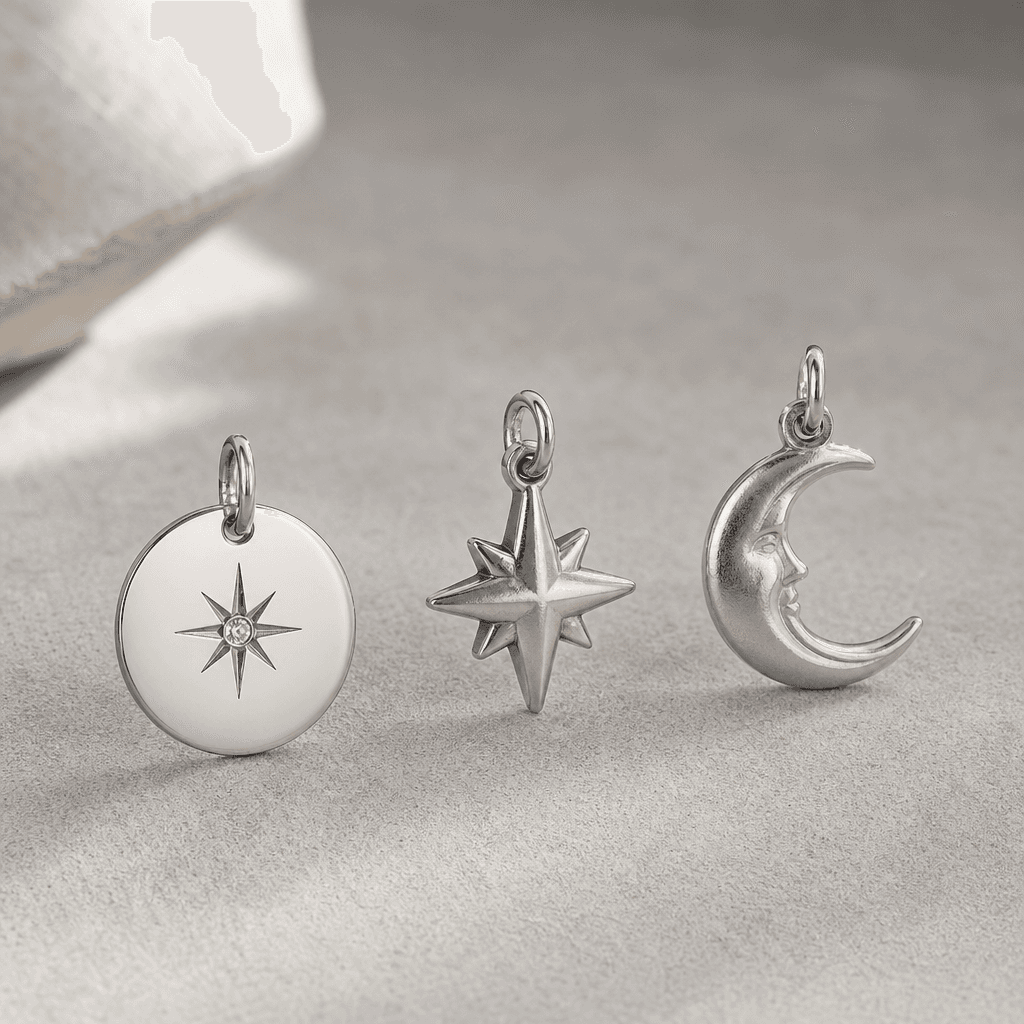
Stamped vs cast stainless steel charms is a core sourcing decision for boutique jewelry brands, charm bar retailers, and private-label buyers. This topic page explains how production method, finishes, and QA affect aesthetics, cost, and lead time for 316L stainless steel charms. Lancy Jewelry presents factory-direct OEM/ODM guidance on design fit, sample development, MOQ planning, plating and enamel options, testing, and packaging to help sourcing managers finalize technical and commercial choices for bulk charm orders.
Introduction: Why Method Matters for 316L Stainless Steel Charms
Choosing between stamped and cast 316L stainless steel charms influences every stage of a private-label charm program, from early concept samples to mass production and packaging. For B2B buyers — boutique brands, distributors, and charm bar operators — this decision affects per-unit cost, the level of sculptural detail achievable, production lead time, and minimum order quantity. As a stainless steel charms manufacturer offering OEM and ODM services, Lancy Jewelry focuses exclusively on 316L stainless steel charms and related finishing services such as PVD gold plating, rose gold plating, silver finish, enamel filling, and crystal inlay. This ensures predictable corrosion resistance, hypoallergenic performance, and finish longevity across stamped and cast production methods. Stamped production and cast production each deliver distinct benefits. Stamping extracts shapes from sheet 316L stainless steel, producing consistent thickness, clean edges, and high repeatability — a practical route for logo tags, flat silhouette charms, and coordinated series requiring tight tolerances and lower MOQ. Casting enables three-dimensional forms, deep relief, and organic details that cannot be achieved with sheet processes; however, casting typically requires mold tooling and longer prototype cycles. Understanding these trade-offs early helps reduce cost surprises and accelerates sample development, improving efficiency during RFQ and production planning.
Side-by-Side Overview: Design, Cost, and Production Characteristics
From a sourcing and procurement standpoint, the optimal method depends on design complexity, projected volume for bulk charm orders, and target retail positioning. Stamped 316L stainless steel charms are highly effective for designs favoring flatter artwork: cut-outs, laser engraving, debossed brand marks, and enamel windows. They enable faster sample development and lower tooling expenses, particularly useful for testing product variations or executing small private-label launches. Working from sheet stock allows precise control of thickness and consistent PVD plating coverage across production batches. Cast 316L stainless steel charms are advantageous when seeking multi-level relief, lifelike figurative details, or undercuts that add pronounced value to retail or gift collections. Casting requires mold design, wax tooling, and in some cases separate polishing stages, which increase initial investment and often higher MOQ thresholds. However, these additional steps allow secure crystal inlay and more complex mechanical settings. For some collections, hybrid production — stamped components for flat accents combined with cast focal designs — can optimize manufacturing cost while preserving creative objectives. As an OEM charms manufacturer, Lancy Jewelry supports buyers in evaluating the right mix to align with budget targets, timeline expectations, and private-label packaging strategies.
Manufacturing Process Insights: From CAD to Finished Charm
Stamped 316L stainless steel charms follow a process beginning with vector artwork or CAD files, after which dies are fabricated and adapted to the desired material thickness and edge profile. The stamping cycle yields high throughput with repeatable geometry. Post-stamping, secondary operations may include deburring, precision laser engraving for fine text or serial numbers, selective PVD gold or rose gold plating, and enamel filling. Since stamping avoids molten metal handling, iteration cycles are shorter — ideal for low MOQ runs and rapid sample approvals. Cast 316L stainless steel charms start with a sculpted or CAD-generated wax model, reproducing intricate surface details. The model is invested, burned out, and filled with molten stainless steel in a controlled environment to adhere to dimensional accuracy and quality standards. After casting, charms undergo fettling, CNC finishing, polishing, and plating or enamel work. Casting supports deep undercuts and precise seating for crystal inlays, adding design flexibility for premium product lines. Lancy’s OEM/ODM manufacturing guidance incorporates design-for-manufacturing advice at the CAD stage, helping clients avoid costly reworks and ensuring alignment between weight, form, and finishing options with retail objectives.
Finishes, Quality Control, and Packaging Considerations
Finish selection and quality assurance are critical for boutique-ready stainless steel charms. PVD plating offers long-lasting gold or rose gold tones with strong adhesion to 316L bases, while silver finishes are achieved through meticulous polishing and passivation, preserving brightness and corrosion resistance. Enamel filling complements both stamped and cast designs, though surface relief affects masking and curing processes. Crystal inlays require secure seating, often best accommodated by cast charms due to depth and surface geometry. Lancy’s QA protocols begin at material inspection and extend through dimensional checks, plating adhesion tests, salt spray corrosion simulations, and enamel curing verification. We maintain consistent enamel color matching and uniform PVD thickness to ensure brand quality benchmarks are met. Private-label packaging is integrated into production planning. Options include customized printed cards, hang tags, or retail-ready kits. Packaging design considers palletization, transport durability, and shelf visibility. Our low MOQ charm production support includes boutique series planning so buyers can approve packaging prototypes alongside charm samples before bulk commitment.
Commercial Verdict & Sourcing Strategy for Buyers
Stamped 316L stainless steel charms offer speed and cost efficiencies for buyers prioritizing rapid launch and SKU flexibility. They are well-suited for charm bar programs, logo tags, coordinated series, and promotional drops requiring uniformity and easy replenishment. Lower initial tooling costs and reduced MOQ thresholds make stamped production ideal for validating market demand before expanding into larger bulk orders. Cast 316L stainless steel charms deliver premium tactile appeal and sculptural complexity. While requiring a greater upfront investment in molds and tooling, these designs can command higher retail pricing due to perceived craftsmanship and depth. Casting is valuable for hero SKUs, limited-edition runs, and thematic collections anchored by standout focal charms. In many scenarios, Lancy Jewelry advises a combined sourcing strategy, employing stamped charms for volume-efficient SKUs while reserving casting for high-impact designs. This balance allows brands to maintain working capital efficiency, meet seasonal timelines, and diversify their catalog with varying levels of sophistication.
Frequently Asked Questions About Stamped and Cast 316L Stainless Steel Charms
Next Steps: RFQ, Sample Development, and Production Planning
To begin your charm program, submit an RFQ via our Request a Quote page with design artwork or CAD files, preferred method (stamped or cast), target quantities for pilot and bulk orders, finish preferences (PVD gold, rose gold, silver finish, enamel colors, crystal inlay), packaging requirements, and desired launch date. For rapid sample development, define approval criteria and indicate if low MOQ production is crucial. Our OEM/ODM team will respond with feasibility insights, estimated tooling costs, sample timelines, and a full cost breakdown. Visit our OEM Service page for detailed capabilities, or contact our sales team directly for intake coordination. We prioritize transparent timelines, pilot-run validation, and actionable cost modeling to ensure confident sourcing decisions for boutique brands, distributors, and charm bar retailers seeking premium-quality stainless steel charms.
Related resources
Related resources
- Materials & Finishes
- How 316L Chemistry Shapes Stainless Steel Wholesale Charms for Jewelry
- How to Source Stainless Steel Keychain Bag Charm: A Procurement Guide
- B2B 316L Stainless Steel Charm Manufacturer OEM ODM: Buyer Compliance Checklist
- Lancy Charms Bar
- How to Vet B2B 316L Stainless Steel Alphabet Charms OEM ODM Suppliers
- The Science Behind Stainless Steel Keychain Charms: 316L
- Stainless Steel Jewelry Charms Wholesale Compliance Guide: RoHS, REACH & Nickel Release
- Stainless Steel Charm Bracelet Quality: RoHS, REACH & Testing Guide
- Stainless Steel Custom Enamel Charms Wholesale Quality: Vendor Certifications & Durability Testing
Share: