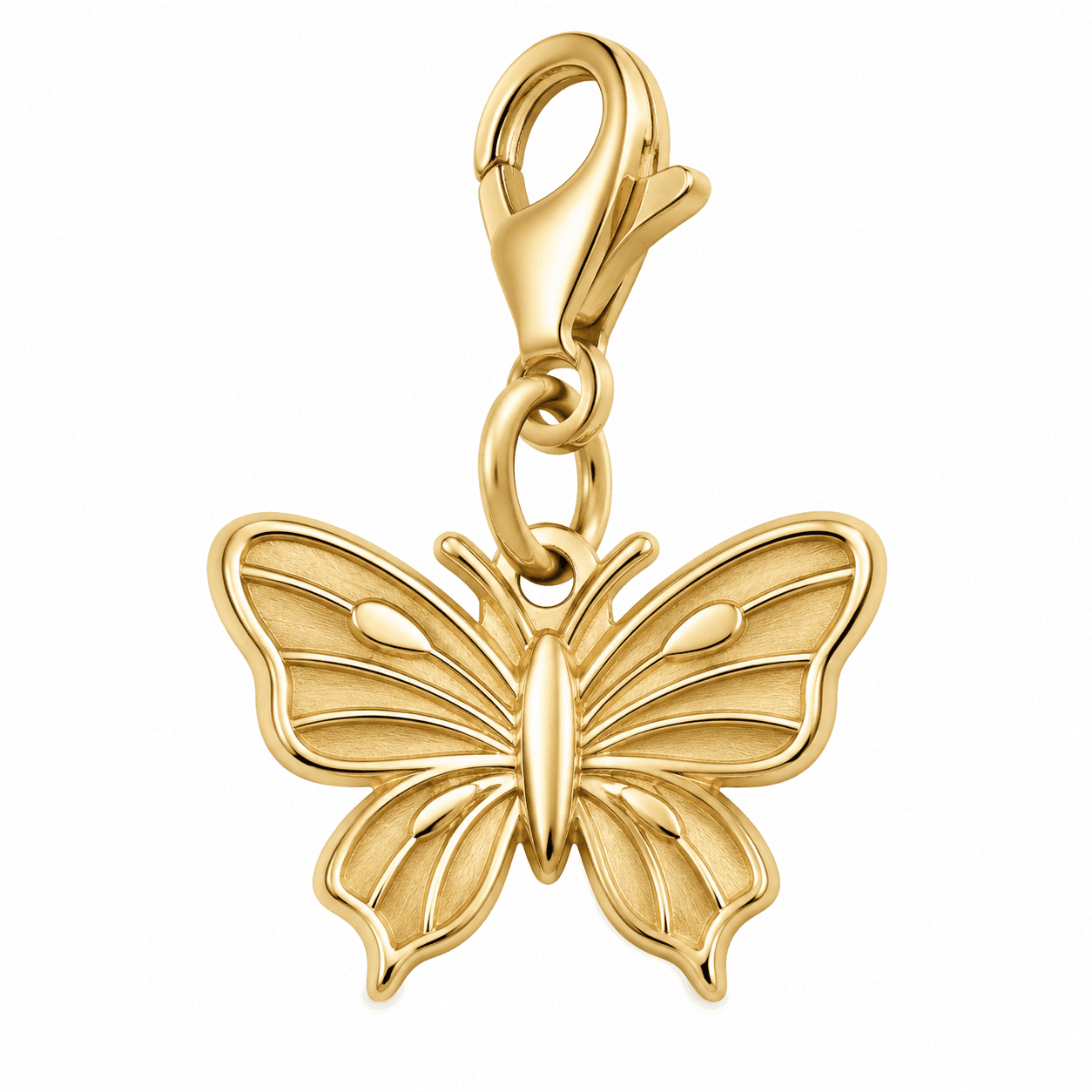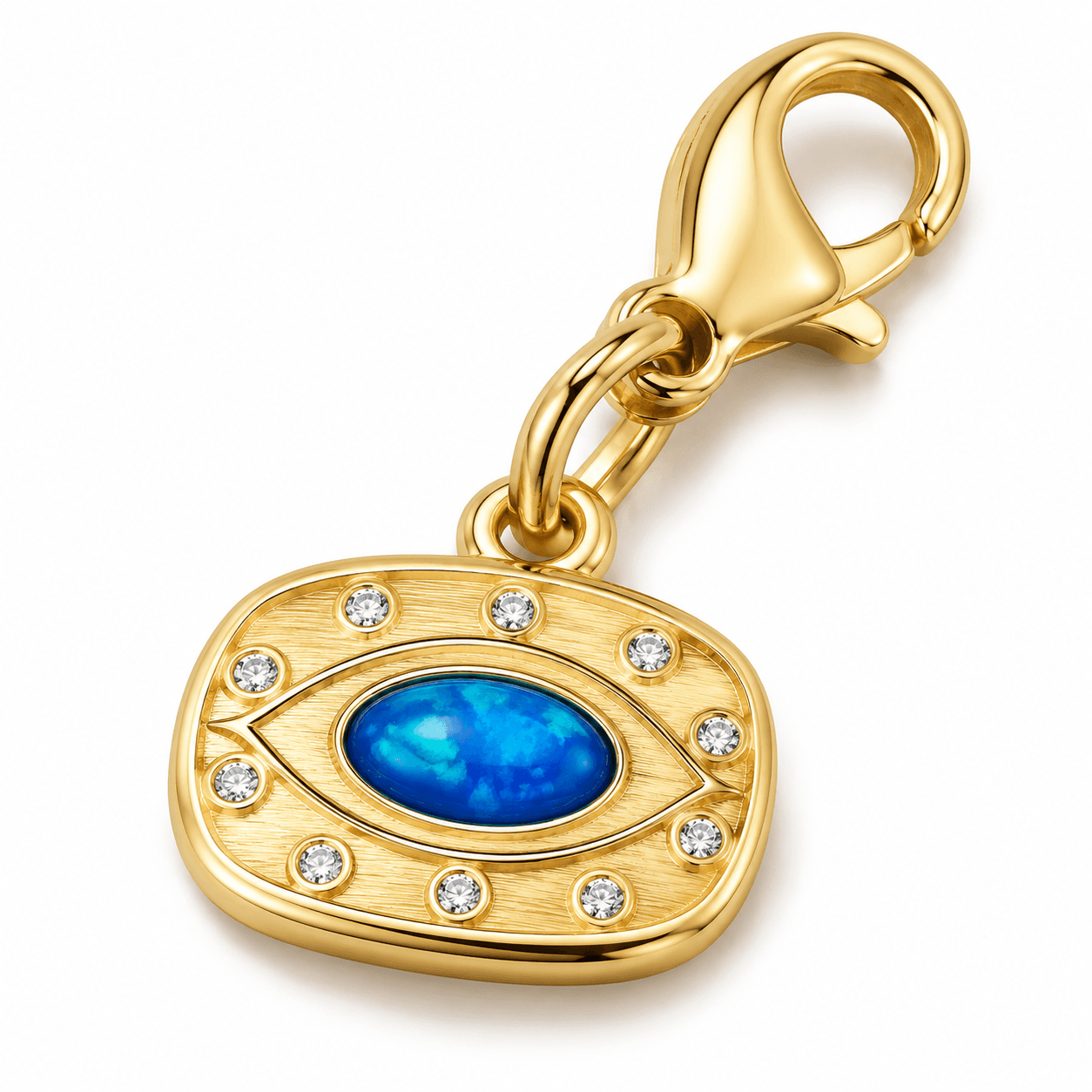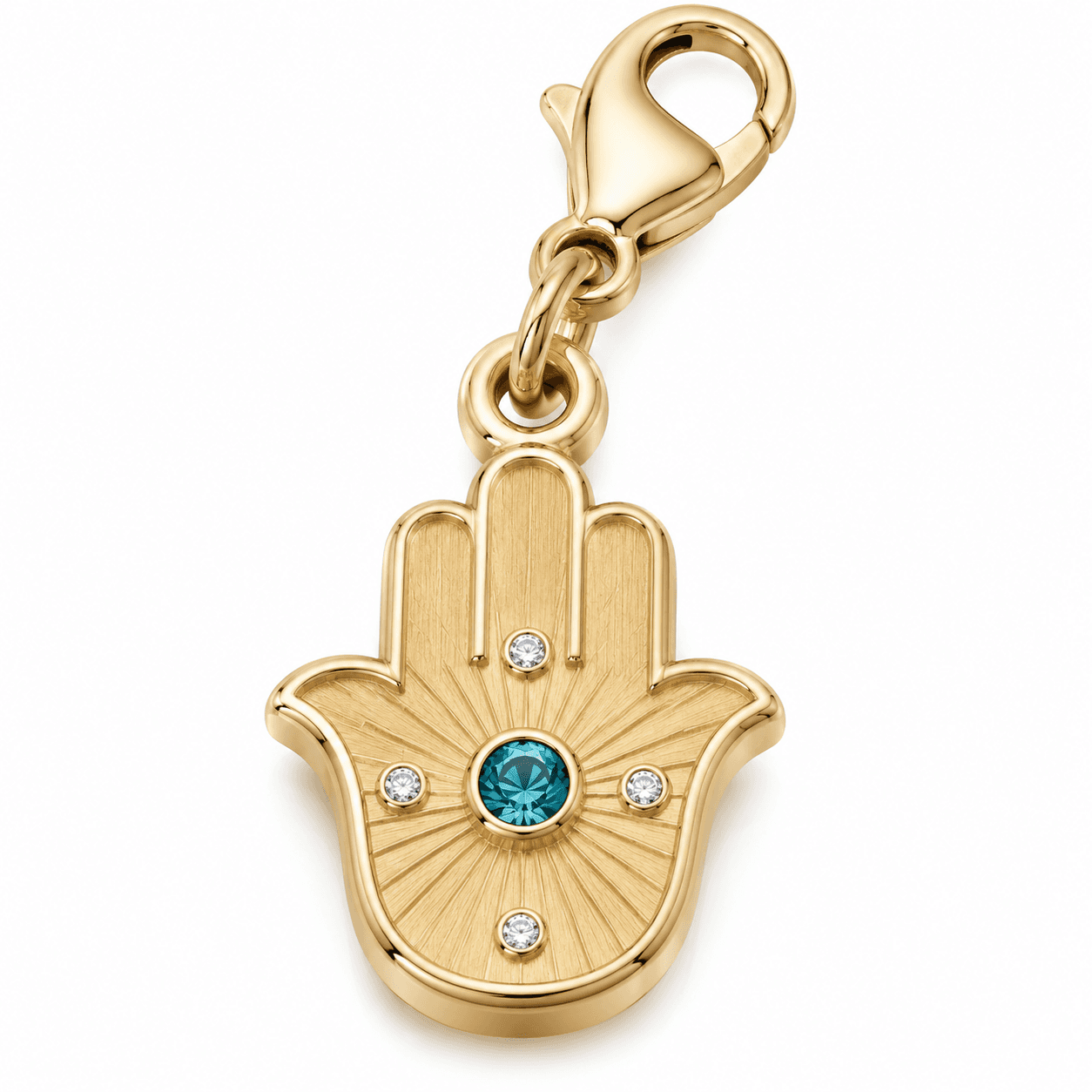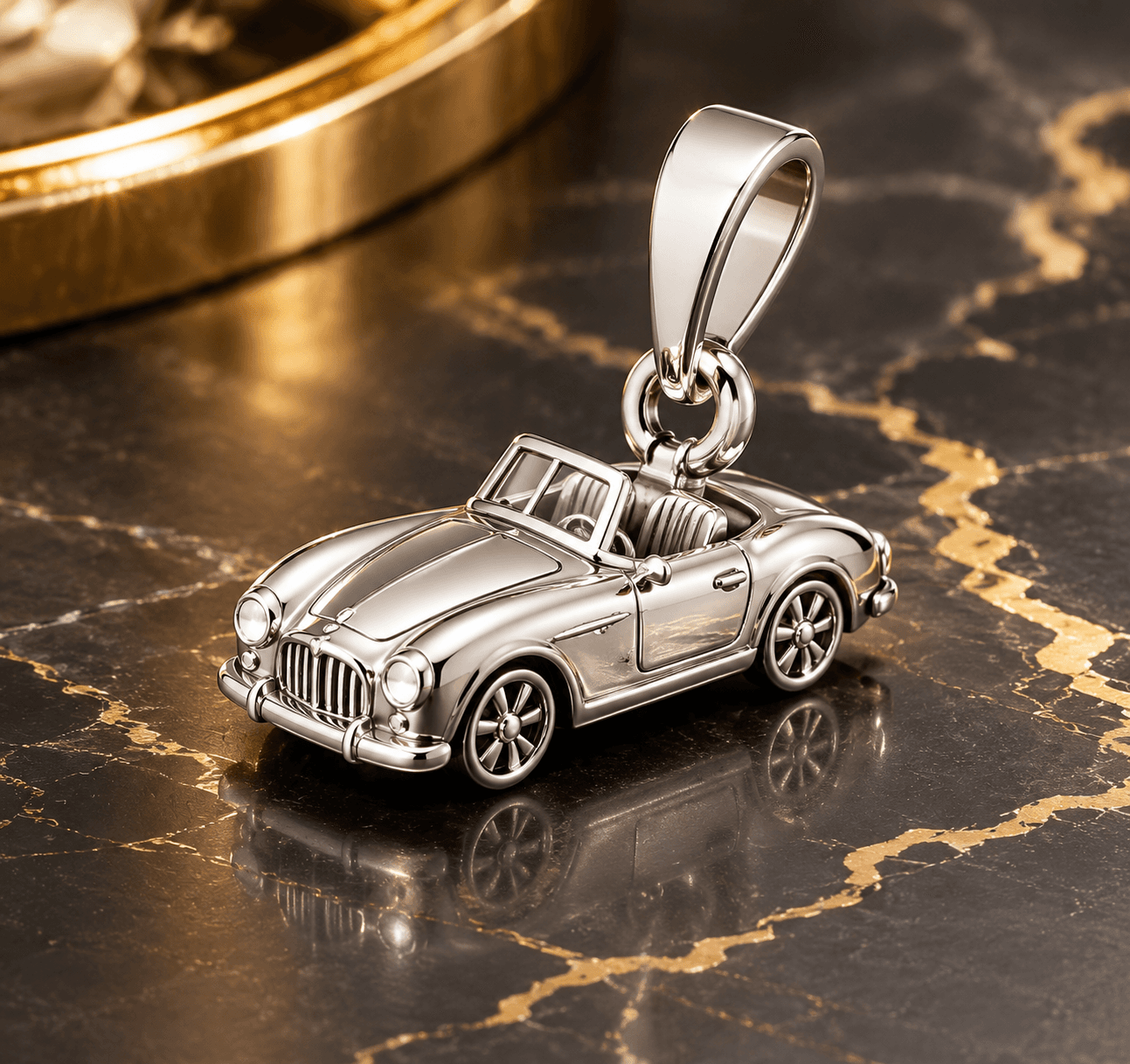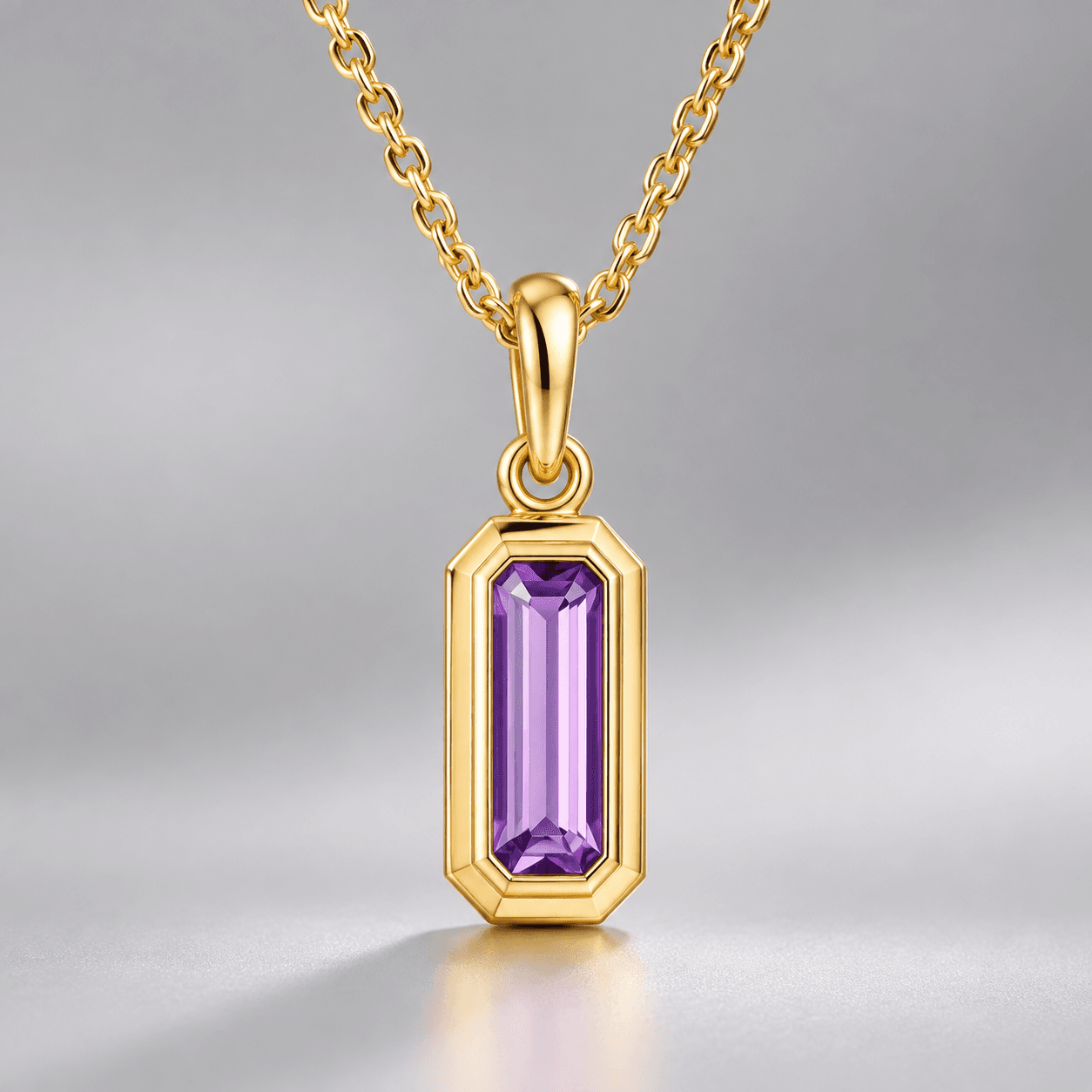
A birthstone charm necklace combines personal meaning, color, and thoughtful jewelry design. For jewelry designers developing a distinctive birthstone collection, understanding the relationship between the charm structure, 316L stainless steel, surface finishing, and decorative details is essential. Each design decision influences appearance, production consistency, wear performance, and the final customer experience.
At Lancy Jewelry, birthstone designs are developed using 316L stainless steel as the exclusive base material. Options include crystal inlay, enamel color filling, polished silver finish, gold plated PVD finishes, and rose gold plating. As a stainless steel charms manufacturer supporting OEM and ODM projects, Lancy helps boutique jewelry brands translate creative concepts into production-ready designs through technical consultation, sample development, logo engraving, and private label support.
This technical guide explains how to plan a birthstone charm necklace collection, evaluate material properties, specify decorative details, and prepare designs for wholesale production. Whether you are developing twelve monthly birthstone designs or a smaller coordinated collection, understanding the manufacturing process helps create a more consistent and commercially practical product range.
Understanding the Materials Behind a Birthstone Charm Necklace
Why 316L Stainless Steel Is a Practical Design Foundation
A birthstone charm necklace begins with three fundamental elements: the charm body, the decorative stone or color feature, and the attachment structure. These elements must work together both visually and mechanically. For commercial jewelry development, the base material is particularly important because it determines the manufacturing possibilities, structural behavior, finishing requirements, and long-term appearance of the finished charm.
Lancy uses 316L stainless steel exclusively for charm base construction. This grade is an iron-based stainless steel containing chromium, nickel, and molybdenum. Its chromium content supports the formation of a passive surface layer that helps resist corrosion under suitable conditions. Molybdenum contributes to improved resistance in chloride-containing environments compared with some other common stainless steel grades. These characteristics make 316L stainless steel a practical foundation for everyday jewelry accessories.
Material Properties Designers Should Understand
- Corrosion resistance: The passive surface layer helps protect the charm during normal wear, although exposure conditions and maintenance still matter.
- Structural stability: The material supports detailed charm shapes, defined edges, and functional attachment loops.
- Surface finishing: Properly prepared surfaces can support polished silver finish and additional PVD finishing processes.
- Design flexibility: The material can be developed into flat, dimensional, engraved, and decorative charm forms.
- Production repeatability: Controlled specifications help maintain consistent dimensions and surface appearance across production batches.
Understanding the Decorative Components
The birthstone appearance does not need to depend on the base material itself. Crystal inlay can introduce a defined focal point, while enamel color filling provides controlled color areas and graphic detail. The design team should specify decorative dimensions, placement, color references, and edge treatments before sampling. A typical charm measuring approximately 0.4–0.7 inches can accommodate a small central decorative feature while preserving sufficient surrounding structure for the design and attachment point.
Designers should also distinguish between the base material and the surface finish. Gold plated PVD and rose gold plating are finishing options applied to the 316L stainless steel charm. They do not change the exclusive base-material specification. For coordinated collections, the same charm architecture can be evaluated in multiple approved finishes, provided each finish is validated through the relevant sampling and quality-control process.
Birthstone Color Technology: Crystal Inlay and Enamel Craftsmanship
Translating Birthstone Concepts Into Manufacturable Designs
A twelve-month birthstone collection presents an interesting design challenge: each month needs a recognizable color identity, but the overall range should still feel cohesive. Jewelry designers should establish a common design language before assigning individual monthly colors. Consistent charm proportions, attachment structures, border treatments, and decorative placement make a collection easier to merchandise and more efficient to manufacture.
Crystal Inlay for Light and Dimension
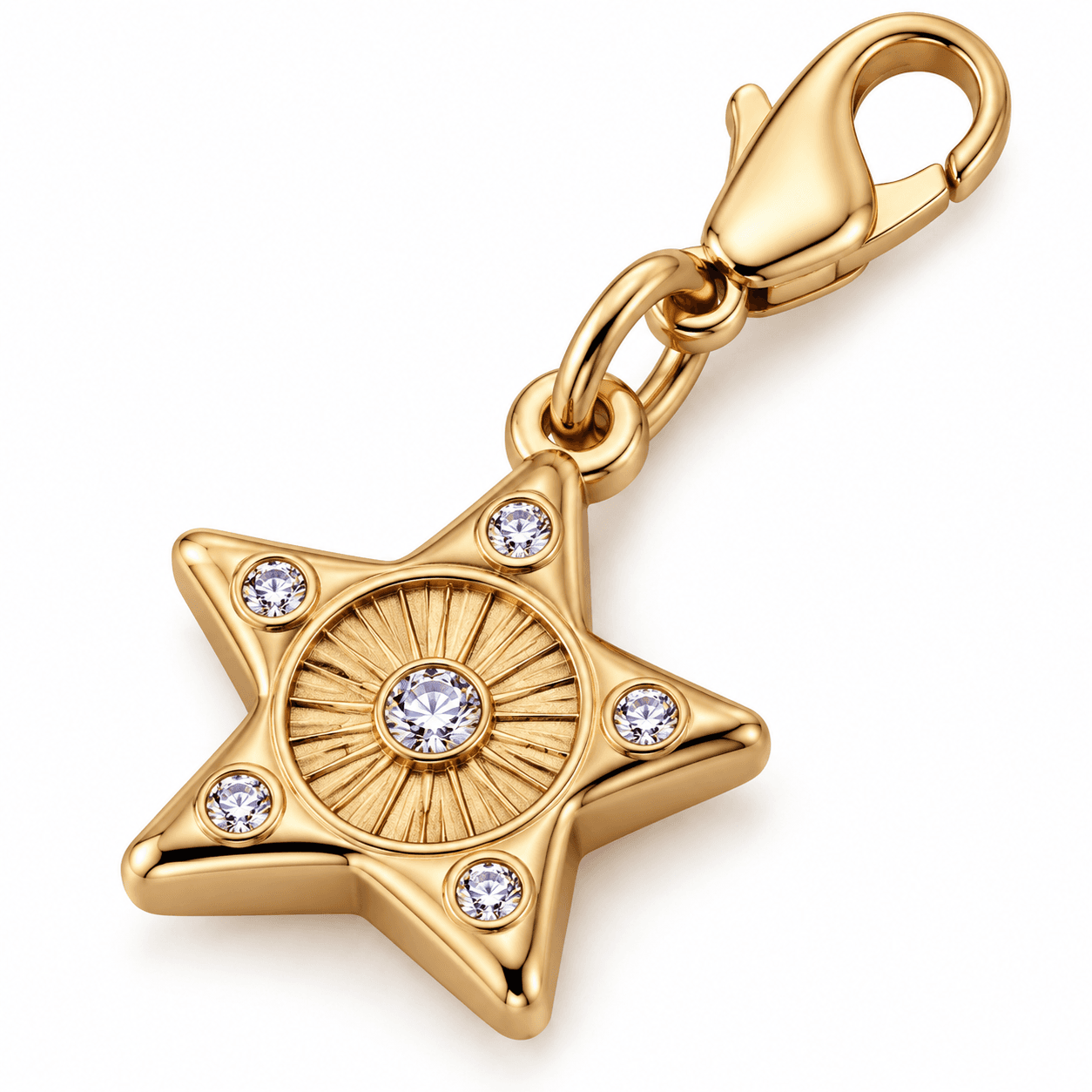
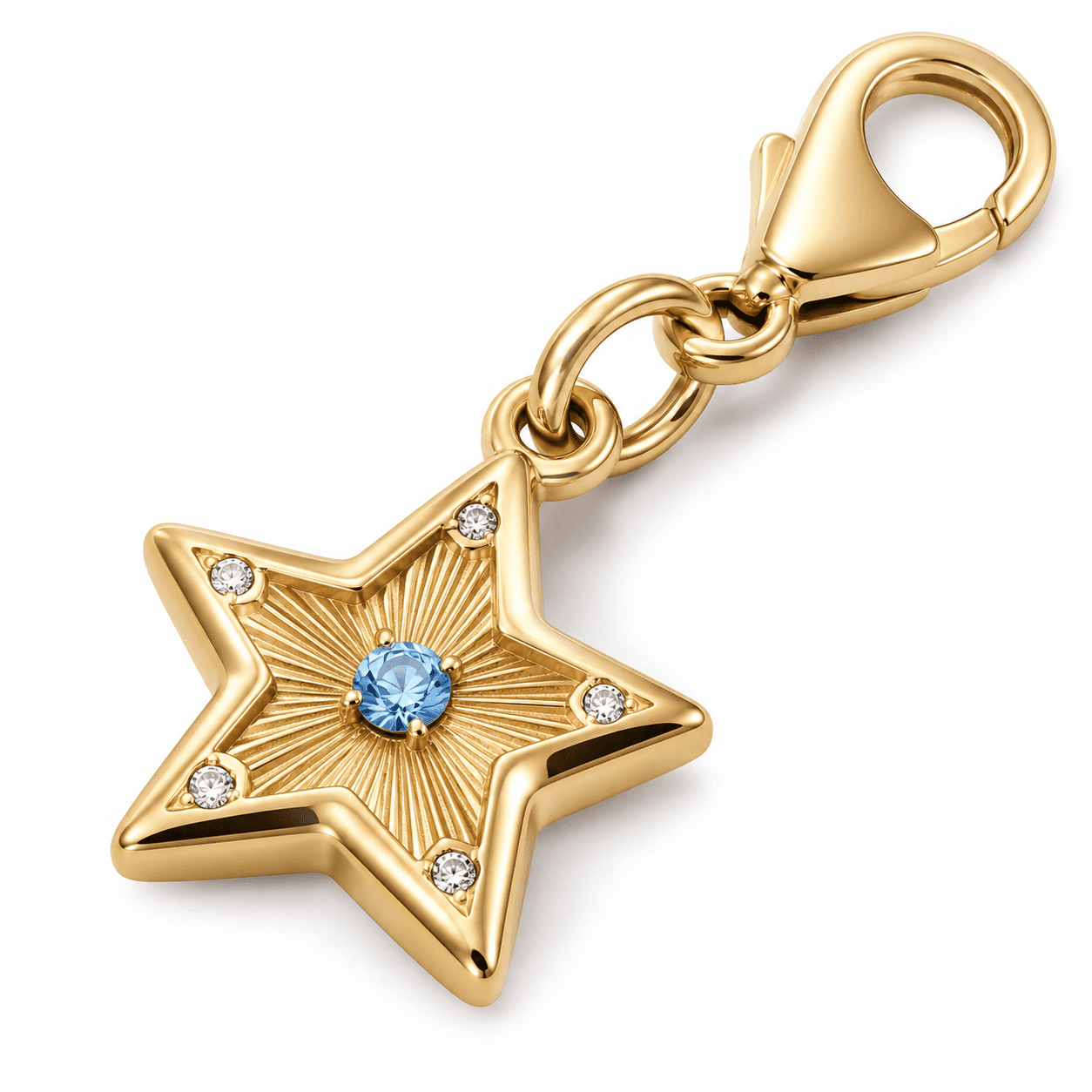
Crystal inlay creates a defined decorative focal point through the placement of individual crystals within a prepared setting. The surrounding 316L stainless steel structure must provide adequate support and consistent positioning. Designers should consider the crystal diameter, setting depth, edge clearance, and visible surface area. A compact round inlay may work well for a minimalist monthly charm, while a larger central feature can create a more expressive statement design.
From a manufacturing perspective, crystal setting requires attention to component tolerances and retention. The setting geometry must be developed around the selected crystal dimensions rather than relying on visual estimates alone. During sample development, buyers should inspect alignment, seating depth, surface cleanliness, and consistency between pieces. Crystal inlay should remain securely positioned under appropriate handling and wear conditions.
Enamel Color Filling for Controlled Color Identity
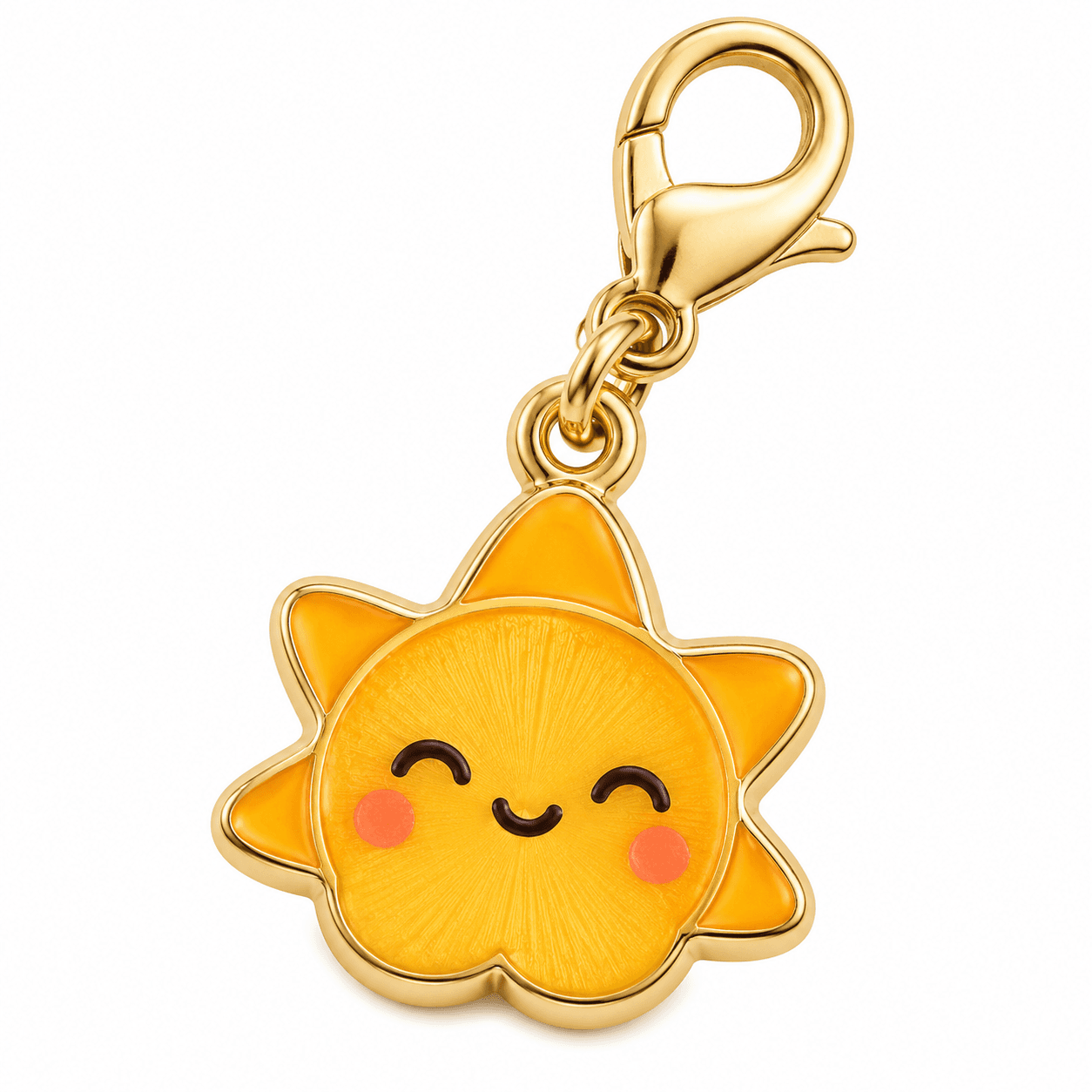
Enamel provides another route for creating birthstone-inspired colors. It can be applied to recessed areas, outlined motifs, or defined geometric sections of a charm. The designer should provide a color reference and identify the intended visual effect, including whether the color should appear opaque, translucent, glossy, or visually restrained.
Color matching requires more than selecting a digital color code. Screen displays, lighting, surrounding finishes, and production conditions can influence perceived color. A physical sample is therefore valuable for approving the final appearance. For twelve-month programs, Lancy recommends reviewing a representative color range before confirming the complete production specification.
Combining Finishes With Decorative Features
- Silver finish: Suitable for clean, understated designs with a bright metallic appearance.
- Gold plated PVD: Creates a warm metallic appearance for coordinated boutique collections.
- Rose gold plating: Provides a softer color direction for romantic or personalized designs.
- Enamel: Introduces controlled color blocks and recognizable monthly details.
- Crystal inlay: Adds dimensional visual interest and a reflective focal point.
Not every decorative technique should be combined in every design. Excessive detail can reduce visual clarity and complicate production. A well-planned birthstone charm necklace often benefits from one primary decorative feature, supported by a restrained finish and consistent charm proportions.
PVD Gold Plated Finishes and Surface Engineering
How PVD Finishing Supports Birthstone Charm Collections
Physical Vapor Deposition, commonly abbreviated as PVD, is a vacuum-based surface coating technology. In this process, coating material is transformed into a vapor and deposited onto a prepared component under controlled conditions. The resulting coating forms a thin functional and decorative surface layer. For birthstone charm development, PVD offers a way to introduce coordinated metallic colors while retaining 316L stainless steel as the underlying structural material.
Surface Preparation Before PVD
Surface preparation is one of the most important stages of the finishing process. The charm surface should be evaluated for scratches, uneven areas, machining marks, contamination, and edge inconsistencies. Cleaning and preparation help establish a more uniform surface for coating. If the original charm has inconsistent polishing, the final appearance may reveal those defects rather than conceal them.
Designers should therefore define the desired surface character before sampling. High-polish surfaces, brushed visual effects, and detailed recessed patterns require different preparation considerations. Edges around crystal settings and engraved areas should also be reviewed because their geometry can influence coating coverage and visual consistency.
Gold, Rose Gold, and Silver Appearance
Gold plated PVD is useful for creating coordinated gold-tone birthstone designs. Rose gold plating introduces a warmer color direction, while a silver finish supports a more neutral metallic appearance. The final color depends on the finishing specification and process controls. Buyers should approve physical samples under consistent lighting rather than relying exclusively on screen images or general color descriptions.
What Buyers Should Include in a Finish Specification
- Required finish name and visual reference.
- Gloss level or intended surface appearance.
- Areas requiring uniform color coverage.
- Areas where engraving or recessed details must remain legible.
- Any requirements for decorative component placement and edge treatment.
- Applicable coating performance and inspection requirements.
Finish validation should include visual inspection and suitable performance testing based on the intended application and destination market. A coating specification should not be interpreted as a universal guarantee of wear life. Daily use, perspiration, chemical exposure, friction, storage, and cleaning practices all influence surface performance. For a successful birthstone charm necklace program, designers should establish measurable acceptance criteria with their manufacturing partner before mass production.
Charm Structure, Dimensions, and Attachment Engineering
Designing a Birthstone Charm Necklace for Real-World Use
A decorative charm must function as a physical component, not simply as a graphic design. Its outer silhouette, thickness, hole position, attachment loop, and decorative surface all contribute to the finished product. A visually attractive design can still create production difficulties if its attachment point is too narrow, its edges are excessively delicate, or its decorative setting interferes with the connector.
Choosing Appropriate Charm Dimensions
For many standard birthstone jewelry applications, an initial design range of approximately 0.4–0.7 inches is a practical starting point. Smaller charms may suit delicate designs, while larger dimensions may provide more room for detailed monthly motifs. The correct dimensions depend on the intended use, the weight of the decorative elements, and the desired visual balance. These measurements should be treated as design starting points rather than universal production specifications.
Attachment Mechanism and Mechanical Logic
The bail or jump ring should pass through a real hole or closed attachment loop in the charm. The opening must provide sufficient clearance for the intended connection, and the connector should not interfere with the charm's front-facing decorative area. If the design includes a separate attachment component, its dimensions and closure should be specified in the technical drawing.
For designers developing a coordinated birthstone charm necklace collection, attachment consistency is particularly valuable. Using a standardized attachment position and connector specification can simplify sample approval, collection planning, and subsequent manufacturing. However, the final structure must be validated for each charm silhouette because a star, heart, round disc, and botanical shape may distribute weight differently.
Technical Drawing Checklist
- Overall height and width in inches and millimeters.
- Charm thickness and edge profile.
- Attachment hole diameter and center position.
- Jump ring or bail dimensions and closure requirements.
- Crystal dimensions, enamel recesses, and engraving locations.
- Front, rear, and side views with relevant tolerances.
- Finish designation and approved color reference.
These specifications reduce interpretation differences between design and manufacturing teams. For projects without completed technical drawings, Lancy can review sketches, reference dimensions, and design concepts during OEM and ODM development. The goal is to convert the original creative direction into a technically practical 316L stainless steel charm before production commitments are made.
Quality Control, SGS Testing, and Material Certification
Building Confidence Through Verifiable Quality Standards
Quality assurance for a birthstone charm necklace should cover more than the visual appearance of the finished product. Buyers should evaluate base-material documentation, dimensional consistency, surface finishing, decorative component retention, and the suitability of testing for their target market. A clearly documented inspection process helps reduce uncertainty when moving from an approved sample to wholesale production.
Understanding Common SGS Testing References
SGS is a testing, inspection, and certification organization. Buyers may encounter SGS reports or test documentation relating to RoHS, REACH, EN1811, and salt spray testing. These references address different compliance or performance questions and should not be treated as interchangeable certifications.
- RoHS: Addresses restrictions on specified hazardous substances in products within its applicable scope. Buyers should verify the relevant product category and substance limits.
- REACH: Relates to chemical registration, evaluation, authorization, and restriction requirements in the European Union. Relevant obligations depend on product composition, intended use, and applicable restrictions.
- EN1811: Provides a reference test method for nickel release from certain products intended for direct and prolonged contact with the skin. Applicability and current regulatory requirements should be confirmed for the specific product.
- Salt spray testing: Evaluates corrosion behavior under defined laboratory exposure conditions. Results depend on test parameters, sample preparation, and acceptance criteria.
Certification Interpretation for B2B Buyers
A report should always be reviewed for the tested sample description, material identification, applicable standard version, laboratory details, test date, results, and stated limitations. A report for one product or finish does not automatically establish compliance for every design in a collection. Buyers should confirm whether the tested sample represents the exact production configuration, including the base material and surface finish.
Factory Quality Checkpoints
- Incoming material identification and specification review.
- Charm dimension, thickness, and attachment inspection.
- Surface preparation and polishing consistency.
- PVD color and visual finish inspection.
- Enamel filling and crystal setting appearance checks.
- Logo engraving accuracy and placement verification.
- Final appearance, packaging, and order quantity inspection.
Lancy supports production quality planning through factory-level inspection and documentation coordination. Buyers should specify destination-market requirements early, especially for products intended for distribution in the United States, Canada, and European markets. Where third-party testing is required, the testing scope and acceptance criteria should be agreed before production so that the correct samples and documentation can be arranged.
Developing a Twelve-Month Birthstone Collection for Boutique Brands
From Individual Charms to a Cohesive Commercial Collection
A birthstone charm necklace collection offers an opportunity to combine personalization with repeatable product architecture. Instead of treating each month as a completely independent product, designers can develop a common framework and introduce controlled variations in color, engraving, decorative setting, and motif. This approach makes the collection easier to present, photograph, organize, and replenish.
Step 1: Establish the Collection Design Language
Begin by selecting a common silhouette family. Round discs, framed circles, hearts, and compact geometric shapes are useful starting points. Decide whether all twelve charms should share the same border, attachment point, thickness, and decorative position. These common features provide visual continuity without restricting individual monthly designs.
Step 2: Create a Monthly Color Specification
Prepare a color matrix identifying each month's intended visual direction. The specification should include a reference image, physical color sample where available, enamel requirements, or crystal dimensions. Avoid relying on month names alone because color interpretations can vary between markets and collection concepts. The final color should be approved through a physical sample whenever precise consistency is important.
Step 3: Plan SKU and Variant Architecture
For a twelve-month range, determine whether every month will be offered in one finish or whether buyers can select multiple finishes. A simple SKU structure can distinguish month, motif, finish, and decorative configuration. This makes inventory planning and reorder communication more efficient. Designers should also identify the core best-selling configurations before expanding the range into numerous combinations.
Step 4: Prototype Representative Designs
Sample development should test more than appearance. Select representative designs that cover the most demanding structural and decorative features, such as a small crystal setting, a detailed enamel area, and a more complex attachment shape. Review dimensions, color, finish, setting security, and wear comfort before approving the complete collection specification.
Step 5: Plan Packaging and Retail Presentation
Private-label packaging can help communicate the personal significance of a birthstone collection. Packaging cards may identify the month, color theme, and product care guidance. A coordinated display tray can help charm bar retailers organize the monthly assortment. Lancy supports private-label packaging development so buyers can align the finished charm range with their own retail presentation requirements.
For buyers seeking a flexible production partner, a structured collection brief can support OEM charms manufacturer coordination and wholesale stainless steel charms planning. The same design framework can also accommodate seasonal releases, gift programs, and additional personalized variations without changing the fundamental 316L stainless steel base-material requirement.
OEM and ODM Sample Development for Custom Birthstone Charms
Turning Creative Concepts Into Production-Ready Samples
Custom development is most efficient when the creative brief and technical requirements are discussed together. A designer may have a strong concept for a birthstone charm necklace but still need assistance determining the most practical charm dimensions, attachment structure, decorative method, or surface finish. Lancy provides OEM and ODM development support to help bridge this gap.
OEM Development: Working From Your Design
For OEM projects, buyers can submit existing drawings, CAD files, sketches, or physical references. The manufacturing team can review the proposed 316L stainless steel construction, dimensions, engraving positions, and decorative requirements. Where adjustments are necessary, the objective is to preserve the intended design while improving manufacturability and production consistency.
ODM Development: Building a Design Direction Together
For ODM projects, buyers may begin with a collection concept rather than a finalized technical file. For example, a boutique brand may request a twelve-month birthstone range with a shared round charm silhouette, monthly enamel colors, and three finish options. The development process can establish the design structure, decorative details, and technical specifications before samples are prepared.
What Happens During Sample Evaluation?
- Visual review: Check proportions, motif clarity, color accuracy, and finish appearance.
- Dimensional review: Measure overall dimensions, thickness, attachment openings, and decorative positions.
- Functional review: Check connector closure, movement, and the security of decorative components.
- Surface review: Inspect polishing, PVD uniformity, engraving clarity, and visible surface defects.
- Documentation review: Confirm approved specifications, testing requirements, and packaging details.
Sample approval should be documented rather than based on informal visual agreement. A signed specification or approved reference sample gives both parties a clearer production target. Any later changes to the crystal size, color, charm dimensions, or finish should be recorded and evaluated for their effect on cost and lead time.
Buyers should also discuss MOQ expectations before finalizing the design. Low MOQ support can be useful when testing an initial assortment, but the practical quantity depends on design complexity, finishing requirements, material preparation, packaging, and production scheduling. Lancy can review these factors during quotation and sample development discussions.
Wholesale Planning, Cost Factors, and Private-Label Packaging
Planning a Commercially Practical Birthstone Charm Necklace Program
Wholesale planning begins with understanding the relationship between design complexity and production requirements. A simple engraved charm and a detailed crystal-inlay design may have similar overall dimensions but require different manufacturing processes. For buyers developing a birthstone range, evaluating the cost drivers early helps create a realistic product specification and avoid unnecessary revisions after sampling.
Key Factors That Influence Production Cost
- Base charm geometry: Overall dimensions, thickness, silhouette complexity, and structural details influence processing requirements.
- Decorative methods: Crystal setting and enamel filling introduce additional components or production operations.
- Surface finish: PVD color selection, surface preparation, and finishing specifications influence processing and inspection.
- Logo requirements: Engraving location, size, depth, and artwork complexity affect development and production planning.
- Order quantity: Quantity distribution across twelve monthly designs and multiple finishes affects production efficiency.
- Packaging: Custom cards, branded boxes, labels, and display trays influence the final unit cost.
Managing MOQ Across Multiple Designs
A twelve-design collection can create a more complicated purchasing structure than a single-product order. Buyers should clarify whether the MOQ applies per design, per finish, or across a combined order. They should also determine whether the same packaging configuration can serve several monthly variations. Consolidating shared elements can simplify production planning, although each design still requires its own approved specification and quality inspection.
Private-Label Presentation
Private-label packaging is an important part of the customer experience. A birthstone charm can be presented with a monthly identification card, a coordinated collection display, or a gift-ready package. Buyers should provide logo artwork, packaging dimensions, preferred printing information, and any required product identification details. The packaging should protect the charm and its decorative features during storage and transport.
Useful Internal Resources
Designers can explore the Lancy product catalog to review available product directions and the OEM manufacturing service for custom development capabilities. Buyers preparing a larger assortment can discuss bulk charm orders, sample development, and private-label packaging together rather than treating these as separate purchasing decisions.
For a more accurate quotation, provide the expected quantity, number of designs, selected finishes, decorative methods, target packaging, and required delivery schedule. These details help a stainless steel charms manufacturer evaluate the project as a complete production program rather than estimate costs from a single product image.
Frequently Asked Questions About Birthstone Charm Necklace Manufacturing
Designing for North American Retail and Long-Term Collection Development
Building a Birthstone Collection With Repeatable Specifications
North American boutique jewelry brands often need collections that balance personal meaning, approachable styling, gift presentation, and manageable inventory. A birthstone charm necklace can serve as a year-round personalized gift concept, but successful collection planning requires more than assigning a color to each month. Designers should establish a recognizable design system that can be maintained across future production batches.
Consider Retail Display and Personalization
For boutique retail, customers should be able to identify the monthly design quickly. Clear monthly labeling, consistent charm proportions, and an organized display tray can make assortment selection easier. Packaging cards may explain the design concept and monthly color reference without making unsupported claims about the properties or effects of decorative materials. The product should remain the central focus, with the packaging providing useful identification and gift presentation.
Use a Core-and-Variant Product Structure
A core-and-variant structure is useful when planning a collection. The core specification includes the base material, general charm architecture, attachment system, and quality requirements. Variants may include the monthly motif, decorative color, PVD finish, and logo placement. This structure can help buyers expand their assortment while retaining a consistent production framework.
Plan Reorders Before the Initial Launch
Before launching the first collection, establish how reorders will be identified. Keep approved technical drawings, color references, finish samples, packaging files, and SKU information together. Documenting these specifications helps reduce ambiguity when replenishing popular months or introducing additional finishes. It also supports clearer communication when different purchasing teams handle product development and repeat orders.
Lancy supports boutique brands and gift companies through custom stainless steel charms, sample development, and private-label production planning. The aim is to create an adaptable manufacturing specification that supports both the initial collection and future bulk orders. For designers who want to expand beyond birthstone concepts, the wider 316L stainless steel charm catalog offers additional directions for coordinated jewelry and gift accessory development.
Start Your Custom Birthstone Charm Development With Lancy
Turn Your Birthstone Collection Concept Into a Production-Ready Design
Planning a birthstone charm necklace collection for your boutique brand or private-label program? Lancy Jewelry can support OEM and ODM development using 316L stainless steel as the exclusive charm base material, with options for PVD gold plated finishes, rose gold plating, silver finish, enamel color filling, crystal inlay, logo engraving, and custom packaging.
To receive a useful RFQ and sample development assessment, send the following project information:
- Design files: CAD drawings, technical sketches, reference images, or a description of your twelve-month collection concept.
- Product specifications: Target charm dimensions, thickness, attachment structure, and preferred design details.
- Material and finish: Confirmation of 316L stainless steel, preferred PVD finish, silver finish, or rose gold plating.
- Decorative requirements: Monthly color chart, enamel filling details, crystal dimensions, and engraving requirements.
- Order forecast: Estimated quantity per design, number of finishes, expected MOQ, and anticipated reorder volume.
- Branding and packaging: Logo artwork, packaging card dimensions, display requirements, and private-label preferences.
- Market and compliance: Intended sales markets, applicable testing expectations, and any requested SGS documentation.
- Timeline: Desired sample approval date, target production schedule, and expected delivery window.
For custom manufacturing details, visit the Lancy OEM service. To discuss specifications, low MOQ requirements, and wholesale pricing, submit your project through the Request a Quote page. You can also reach the team through Lancy Jewelry contact to begin your birthstone charm development project.
With a clear technical brief and approved reference sample, your creative concept can become a consistent, carefully specified 316L stainless steel charm collection ready for boutique retail and private-label distribution.
Related resources
Related resources
- 316L Steel Secrets: Sourcing Convertible Car Jewelry Bulk Charms
- 316L Stainless Steel Custom Enamel Sterling Charms: A Buyer’s Guide
- How to Evaluate Stainless Steel Custom Enamel Charms Suppliers
- How to Evaluate 316L Stainless Steel Zodiac Bracelet Charms Wholesale Suppliers
- Stainless Steel Custom Car Charms: A Buyer’s Quality Checklist
- Stainless Steel Custom Enamel Charms: A Buyer’s Quality Guide
- 316L Steel Guide to Custom Enamel Charms Manufacturing for Buyers
- How to Choose Stainless Steel Enamel Charms Wholesale UK Suppliers
- Stainless Steel Wholesale Car Charms: A Buyer's Quality Guide
- How to Choose a Stainless Steel Custom Enamel Bracelet Charms Supplier