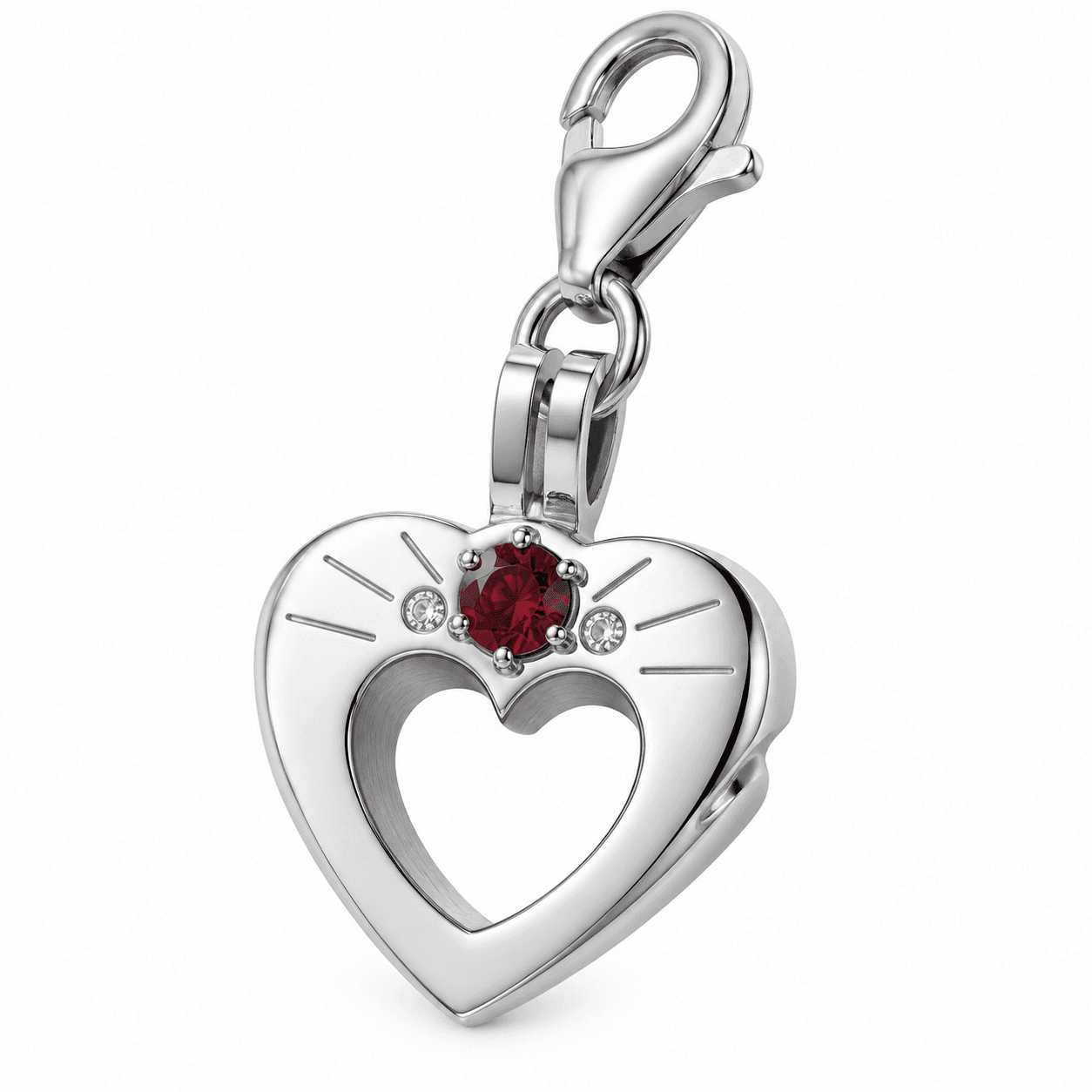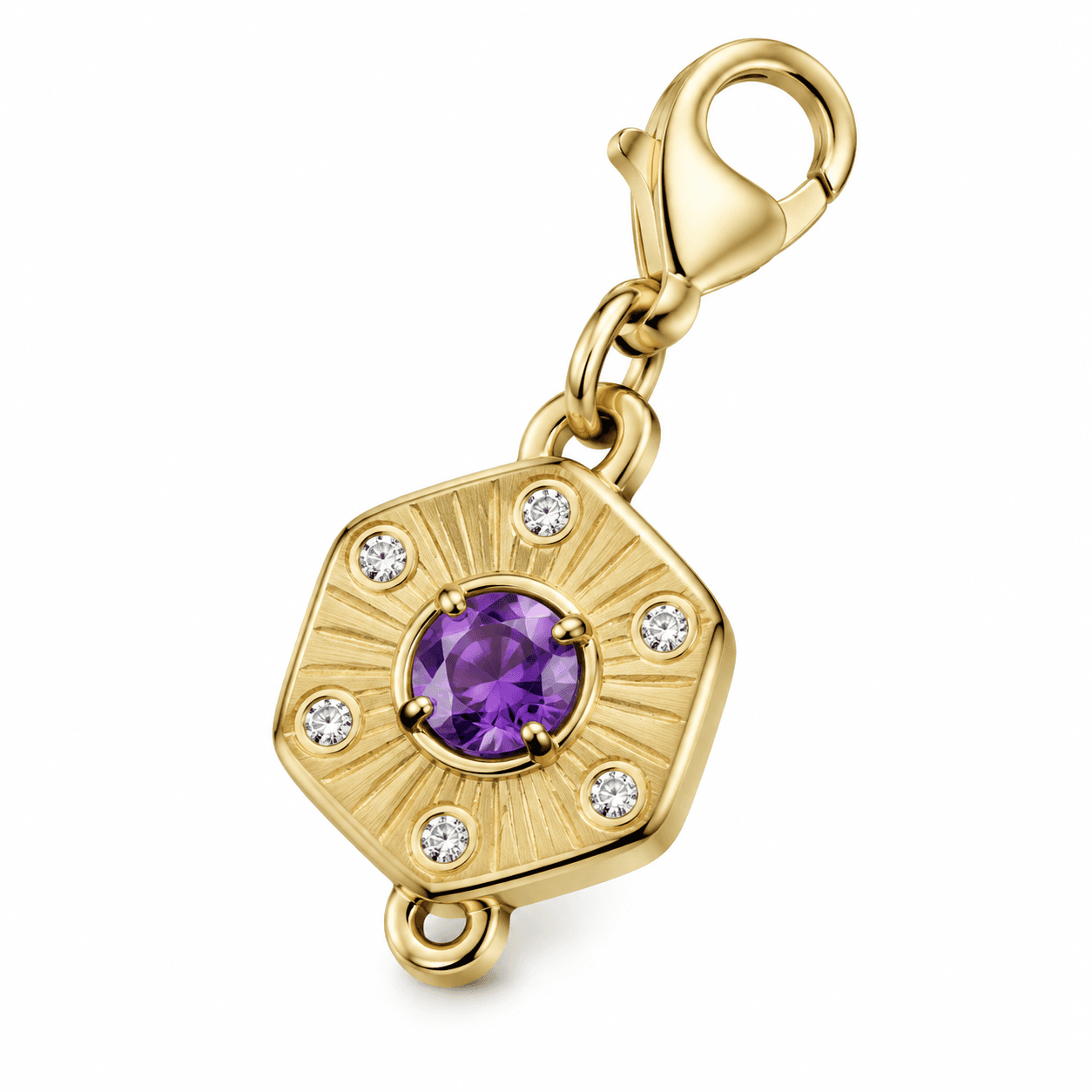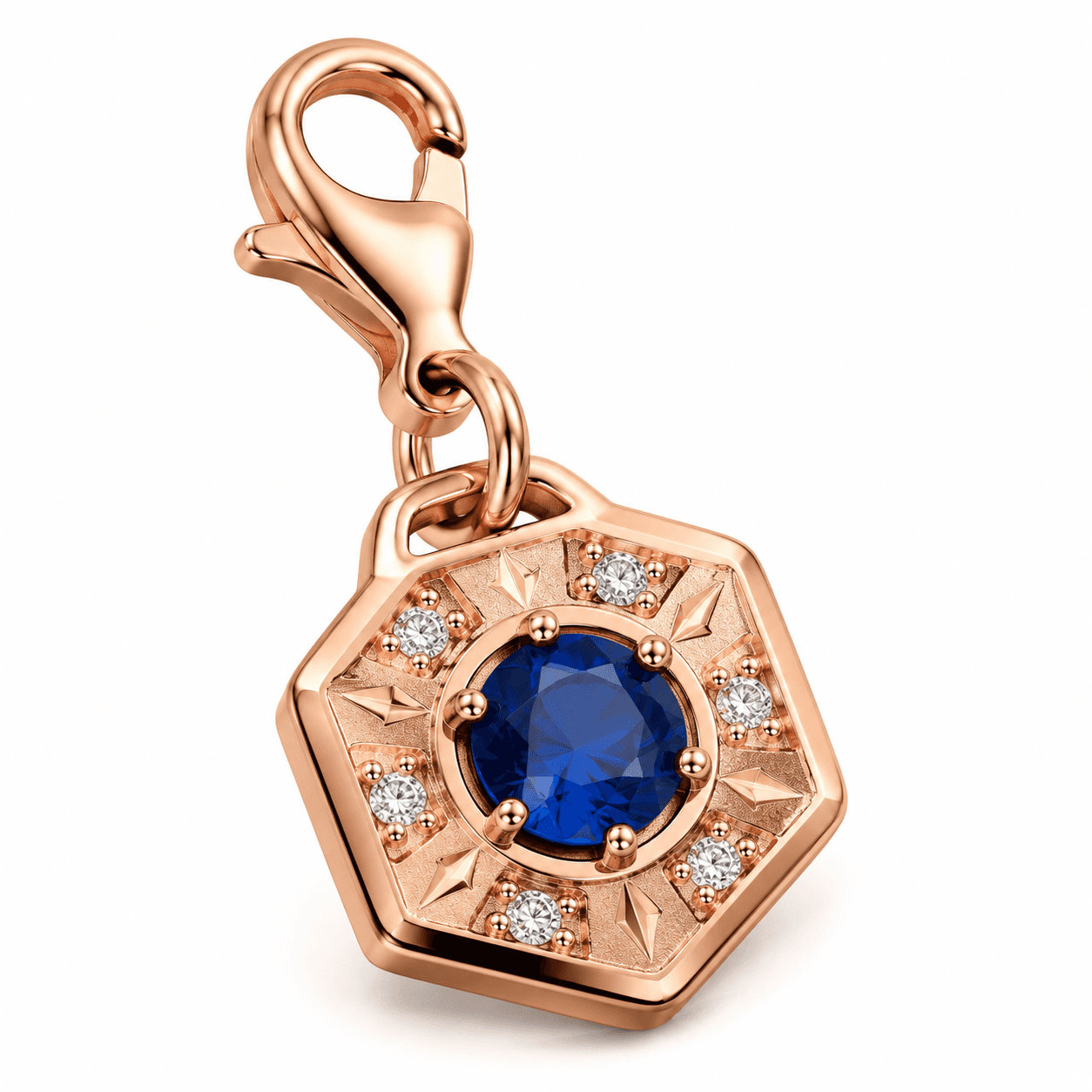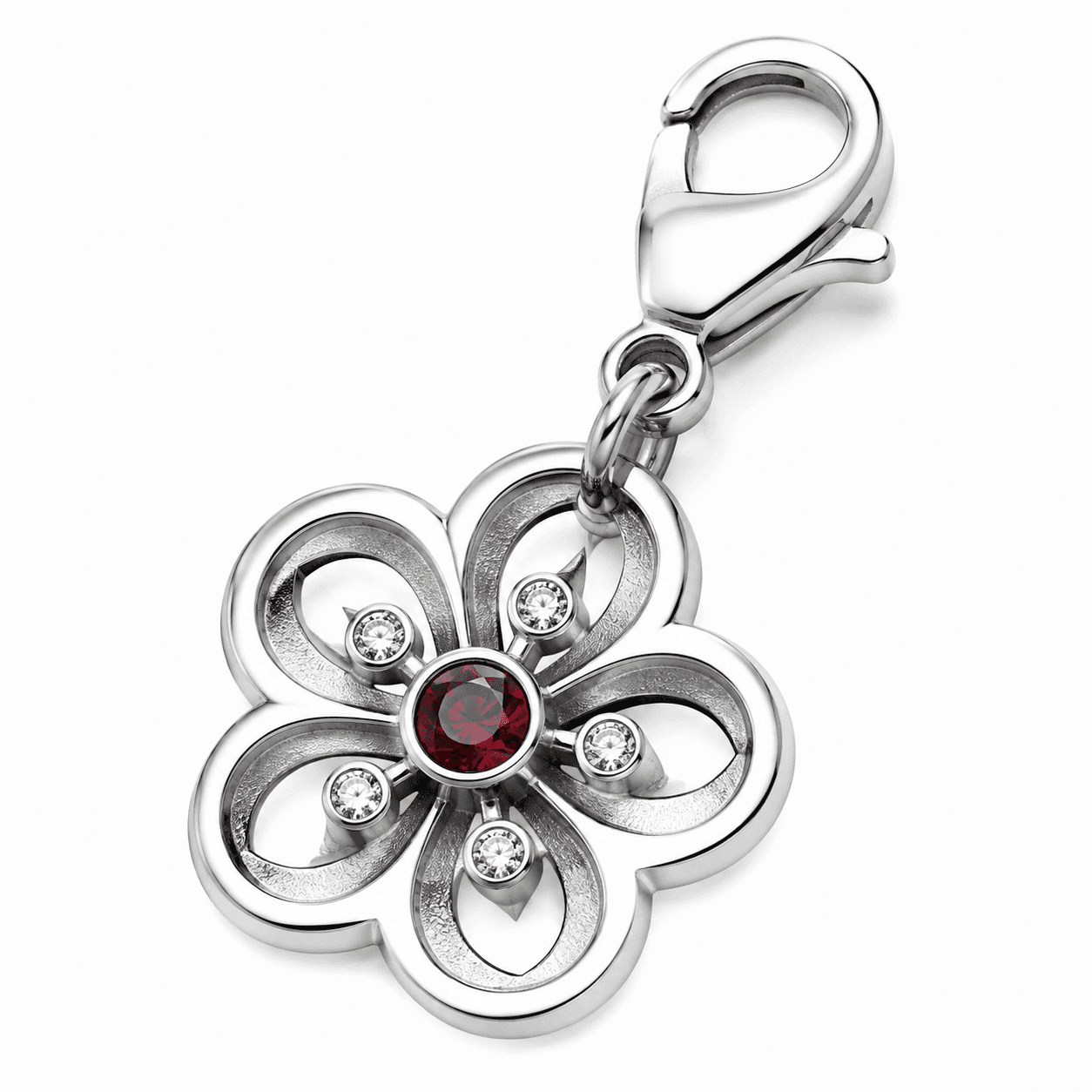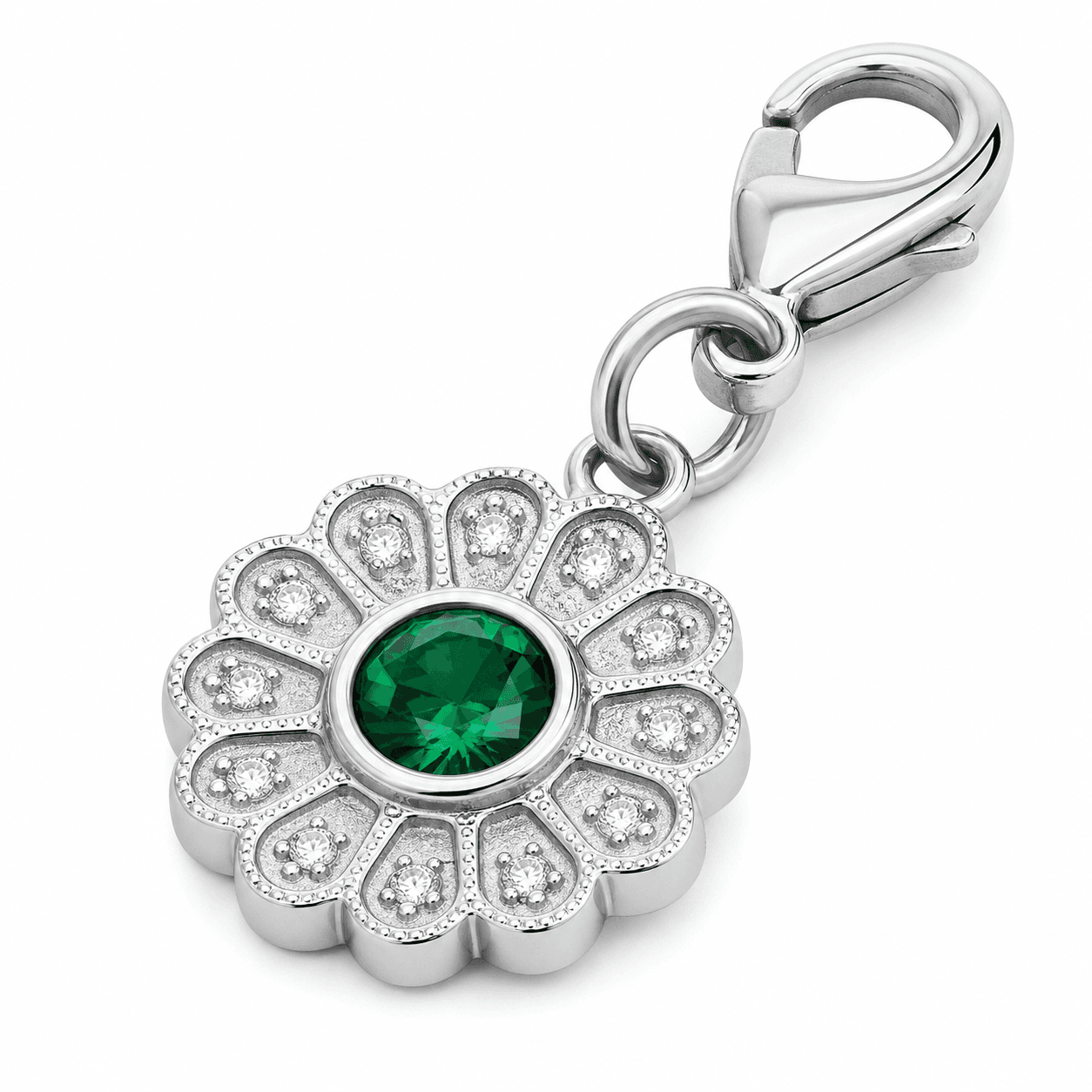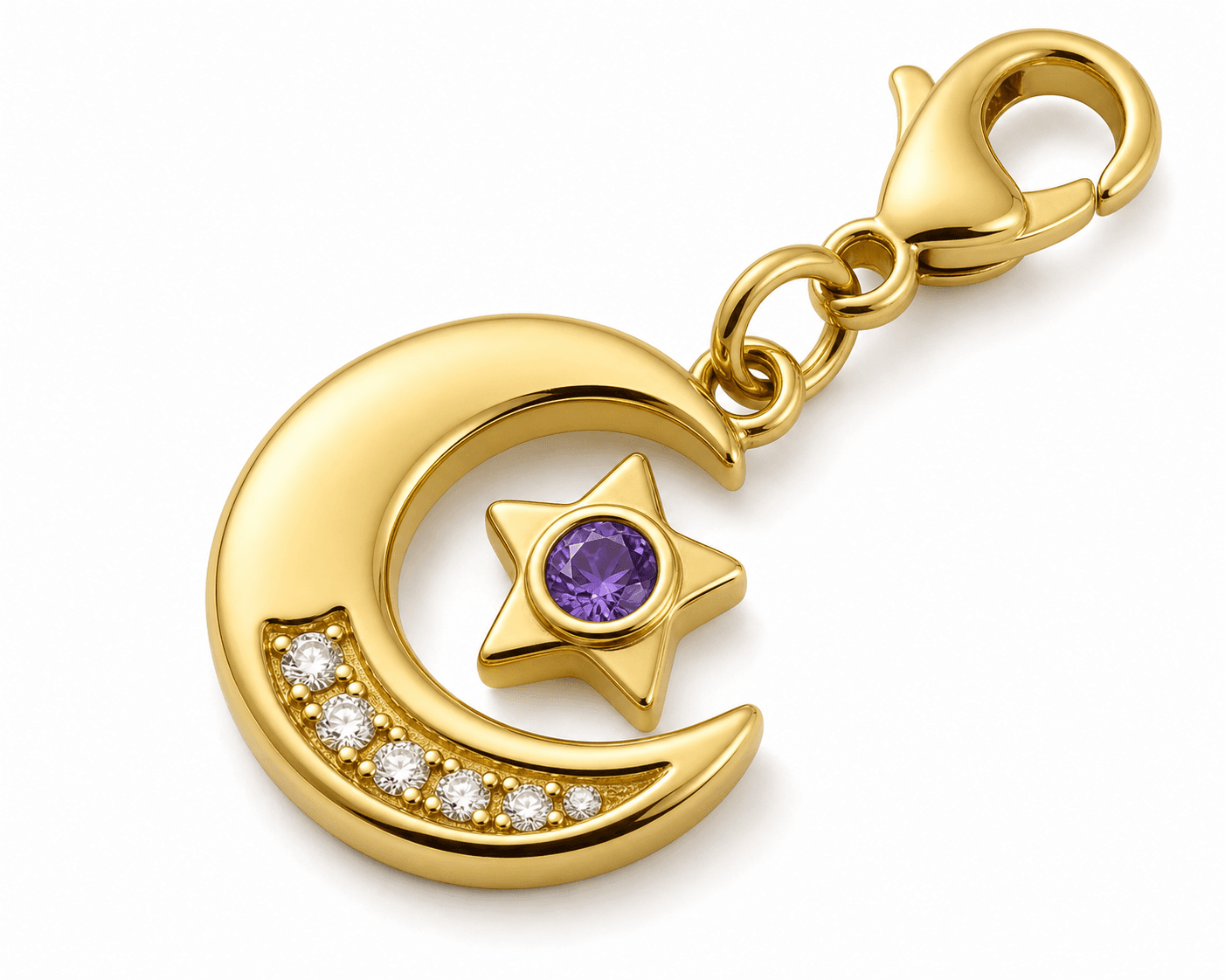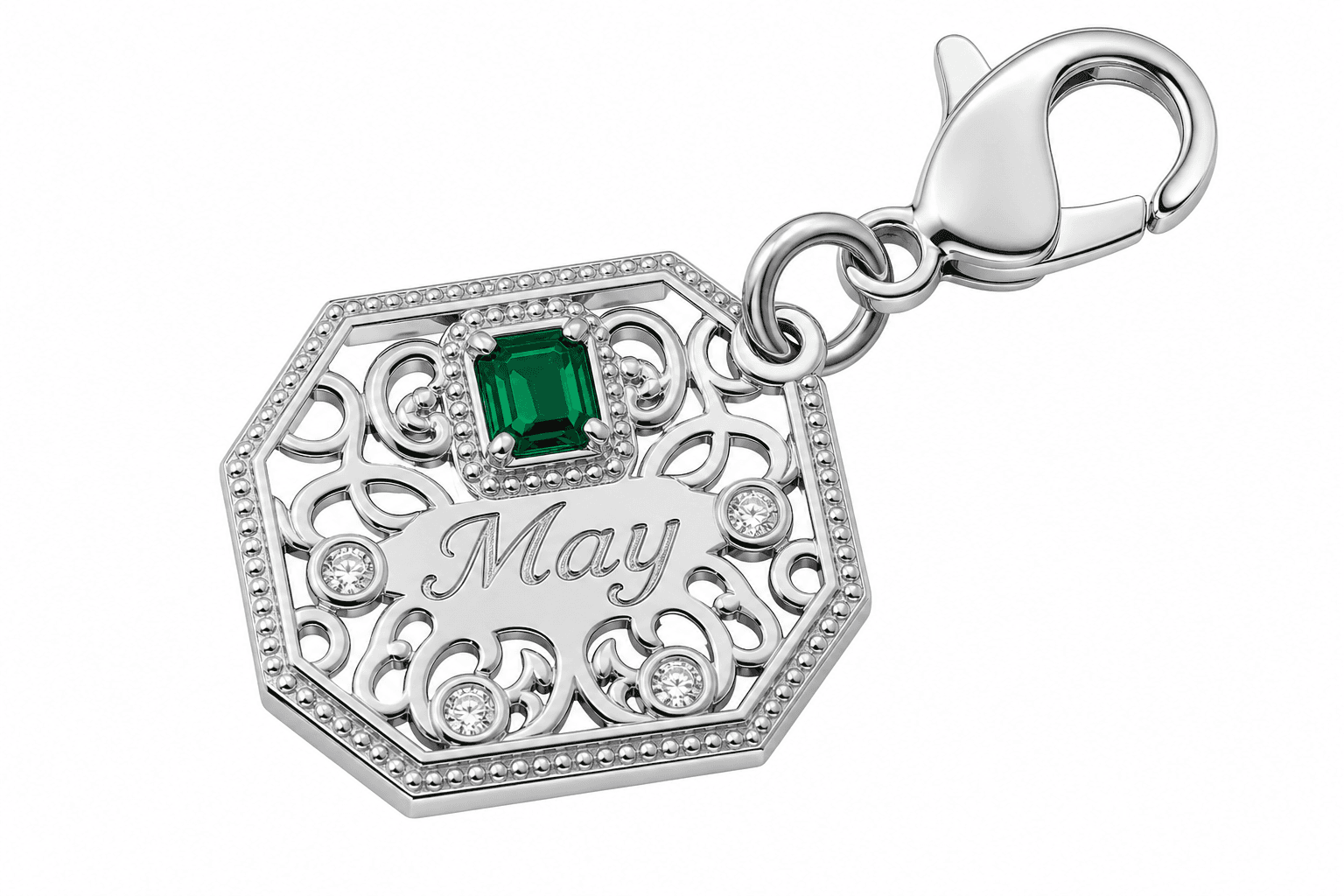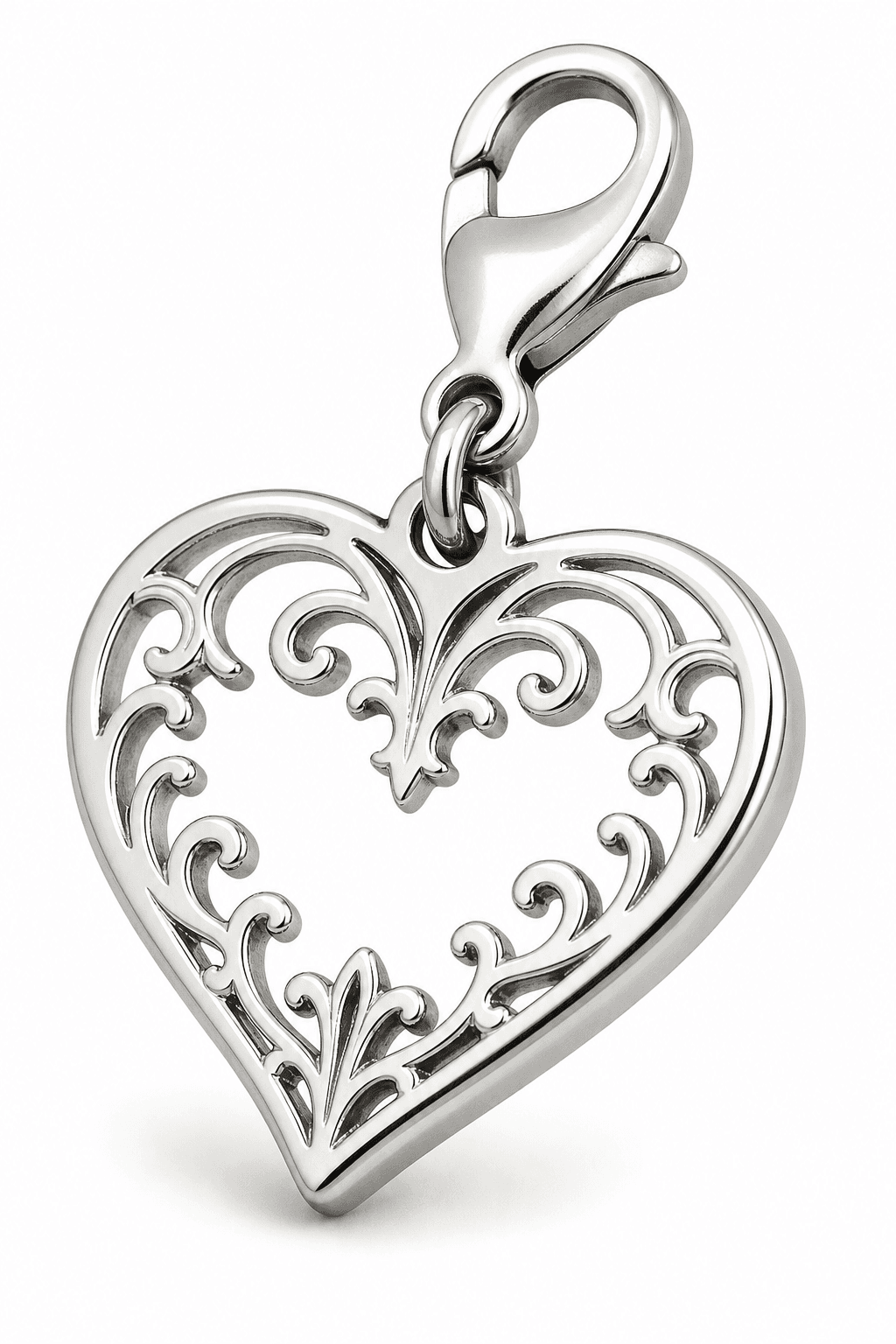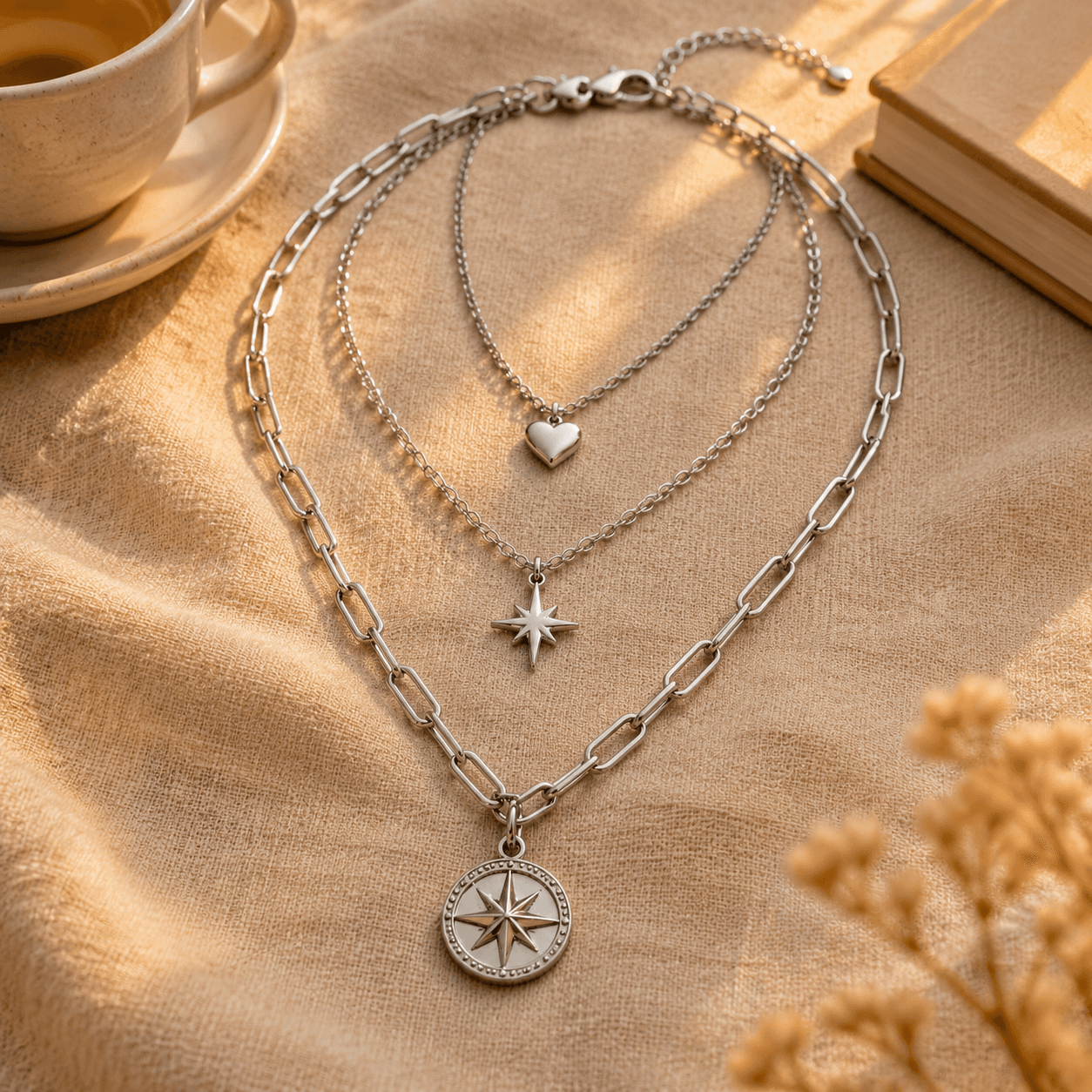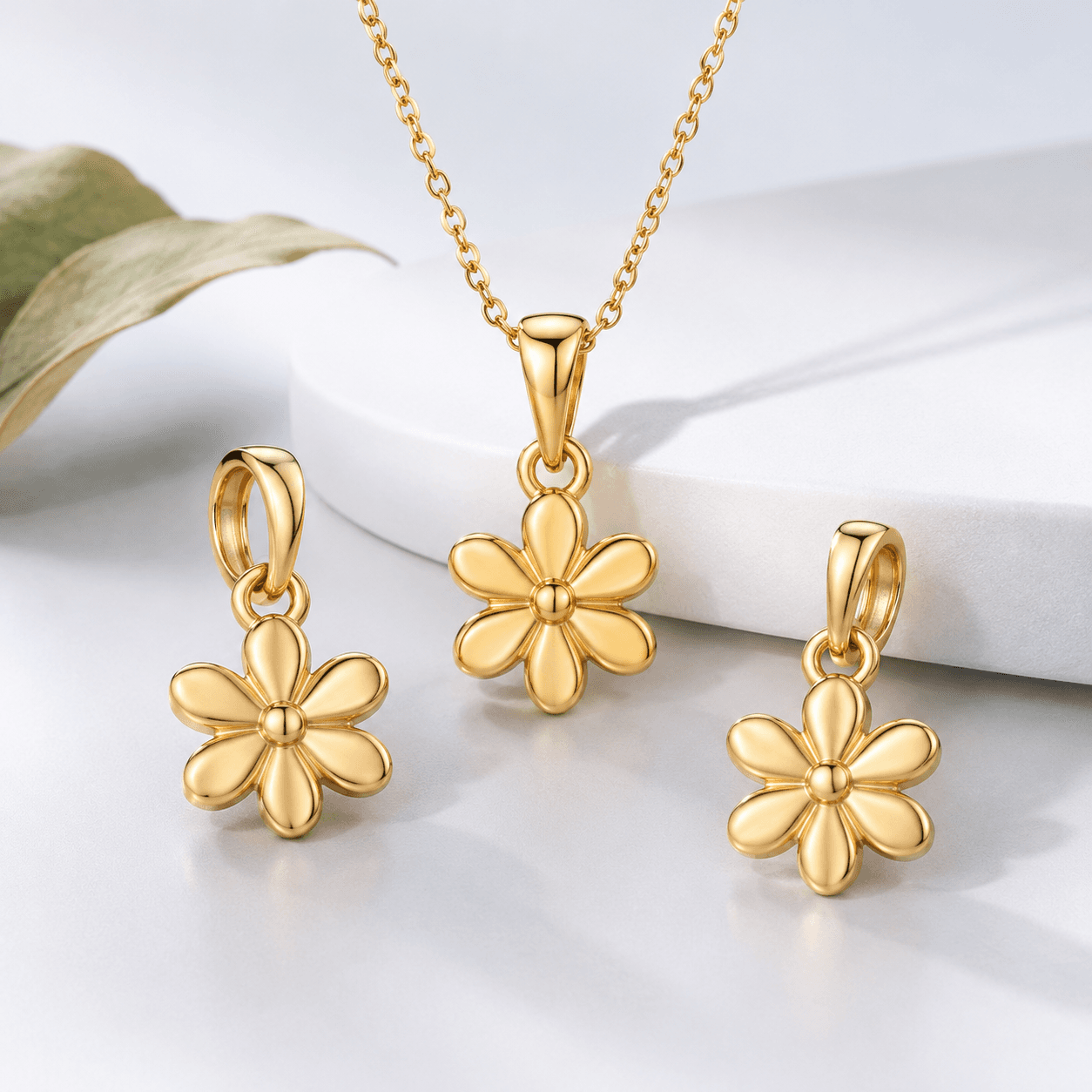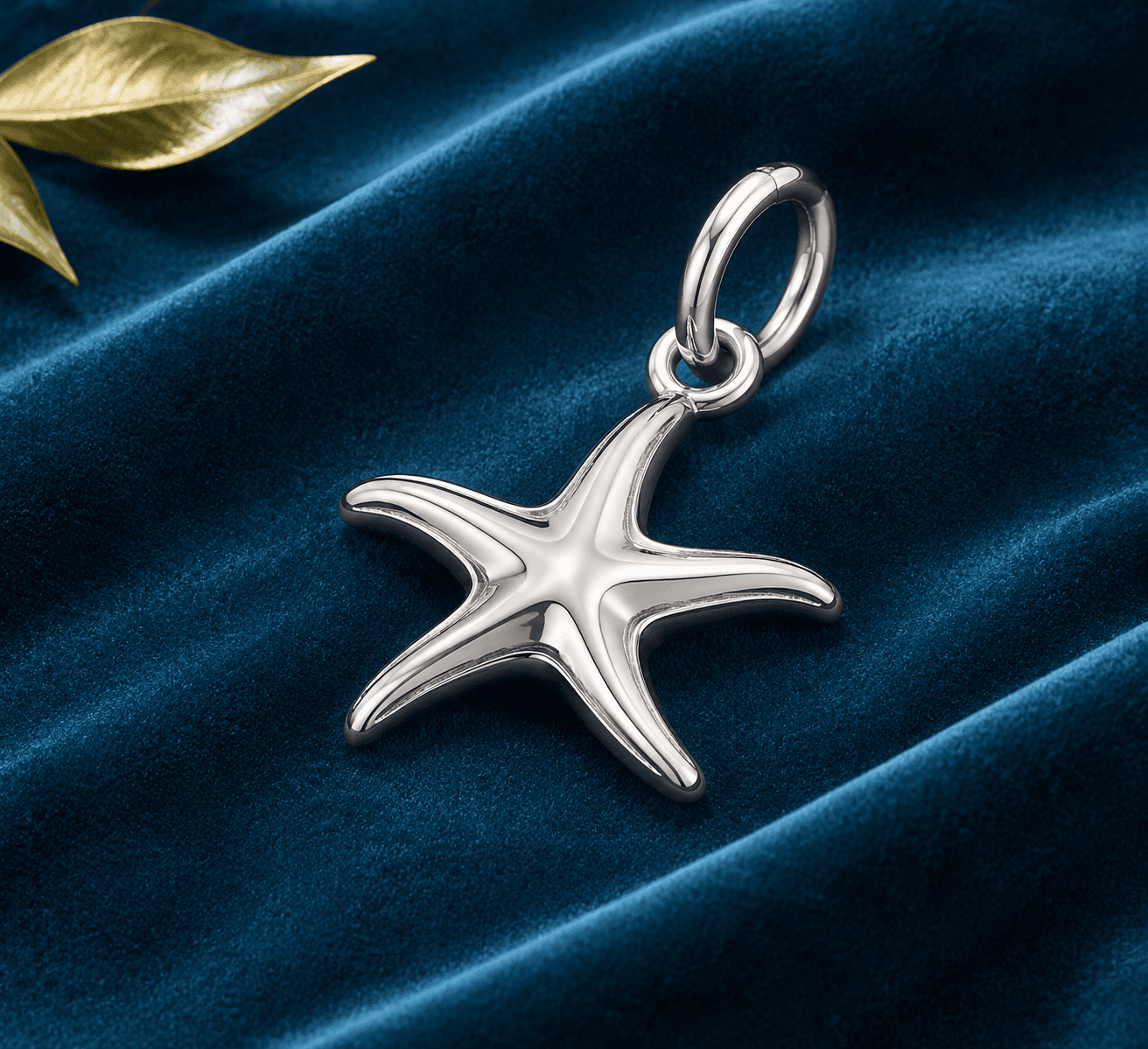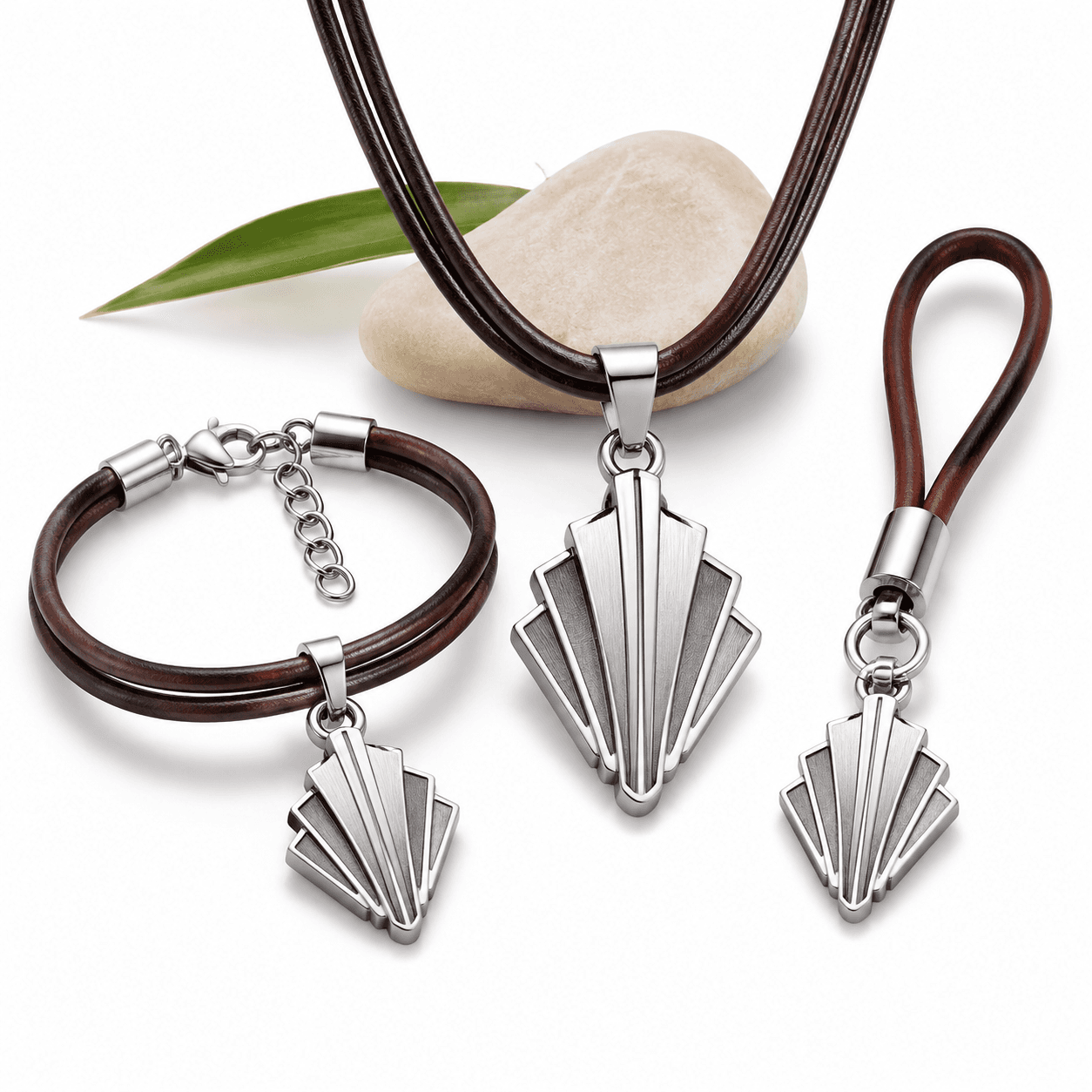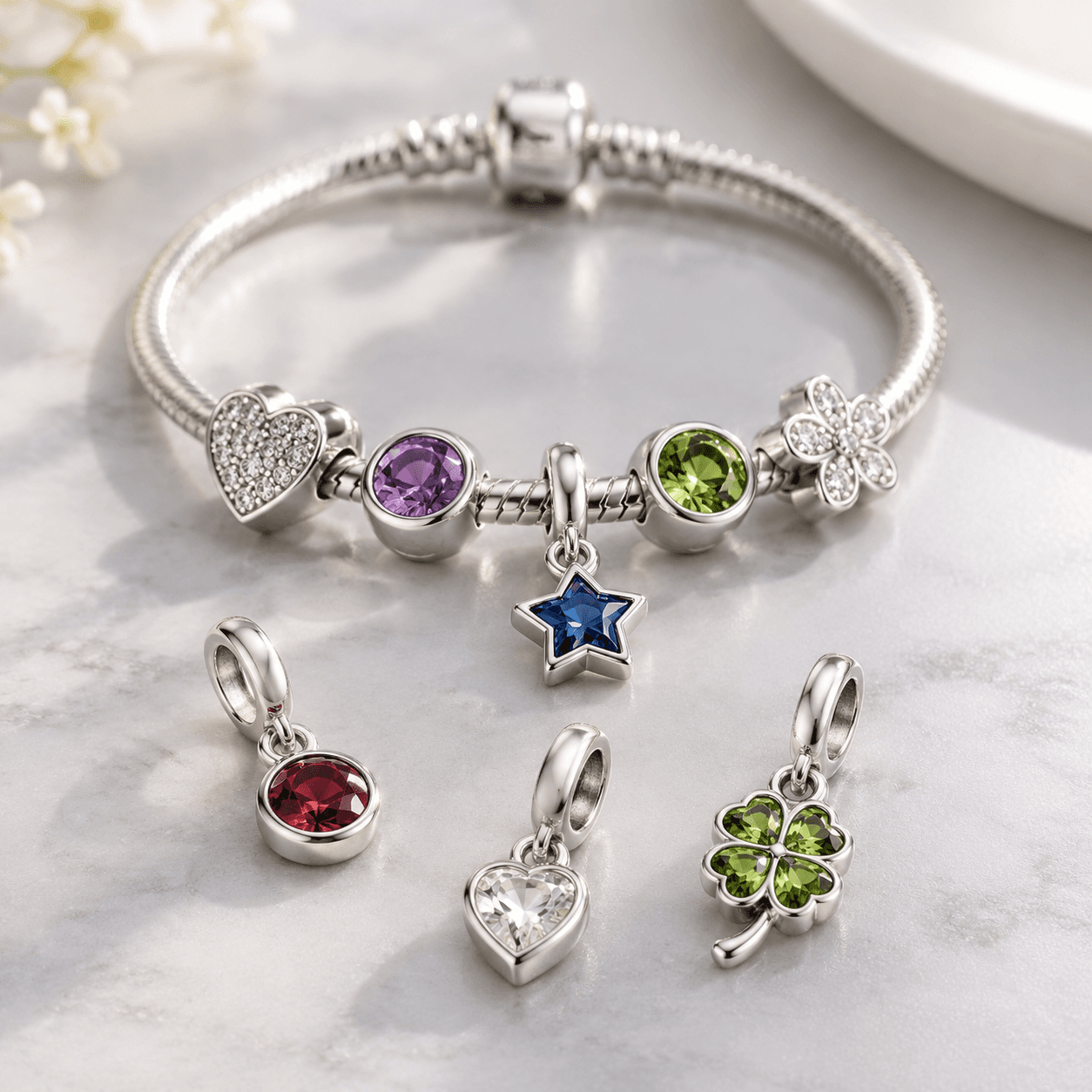
Designing distinctive bracelet charms birthstone collections requires more than selecting attractive colors and decorative details. Jewelry designers must understand how the base material, surface treatment, crystal setting, enamel application and attachment structure work together to create a consistent, wearable product. For professional jewelry development, 316L stainless steel provides a dependable foundation for detailed birthstone charm designs, supporting different finishes and customization possibilities.
Lancy Jewelry specializes in 316L stainless steel charms manufacturing for boutique jewelry brands, charm bar retailers and private-label buyers. Its production capabilities include PVD plating, crystal inlay, enamel color filling, logo engraving and custom packaging. Through OEM and ODM development, designers can translate a creative direction into technically defined samples before proceeding to wholesale production. This guide explains the material and craftsmanship considerations behind birthstone bracelet charms, from initial design decisions to sample evaluation and production quality control.
Understanding 316L Stainless Steel for Birthstone Bracelet Charms
Why the base material matters
The foundation of a birthstone charm determines its structural properties, manufacturing possibilities and long-term appearance. 316L stainless steel is an iron-based stainless steel containing chromium, nickel and molybdenum. Its composition contributes to corrosion resistance and makes it a practical choice for jewelry components exposed to regular handling, moisture and everyday environmental conditions. The low-carbon designation helps limit sensitization concerns during appropriate manufacturing processes.
For jewelry designers, material selection should be evaluated alongside charm geometry. A small birthstone charm may contain a decorative frame, a central crystal setting, a rear surface and a connecting loop. Each feature must retain sufficient structural integrity after cutting, forming, polishing and finishing. Designers should consider the relationship between overall dimensions, wall thickness, hole placement and decorative depth before approving production drawings. These decisions help reduce deformation risks and maintain a balanced appearance across a coordinated collection.
Material properties that influence design
- Corrosion resistance: The chromium-rich passive surface helps protect the material under suitable service conditions.
- Structural stability: Appropriate thickness and geometry support small decorative components and functional attachment points.
- Surface finishing: Polished surfaces provide a foundation for silver finish, gold plated and rose gold plating options.
- Manufacturing flexibility: The material supports precision cutting, engraving, polishing and decorative finishing processes.
- Collection consistency: A standardized base material makes it easier to coordinate different monthly designs within one product program.
Lancy focuses exclusively on 316L stainless steel charms as the base material. This defined material direction helps designers establish consistent specifications when developing a complete birthstone range. Explore the birthstone charm collection to review different decorative approaches and product configurations.
Crystal Inlay and Birthstone Color Engineering
Creating a recognizable monthly color identity
Birthstone jewelry depends heavily on color recognition. Each month can be represented through a specific color direction, crystal appearance or decorative composition. For designers, the challenge is to create visual distinction while maintaining consistent dimensions, brightness and setting quality throughout the collection. Crystal inlay offers a practical way to introduce concentrated color and reflective detail into a compact 316L stainless steel charm.
The development process begins with defining the intended visual effect. A single central crystal creates a clean focal point, while micro pave arrangements distribute multiple small decorative elements across a larger visible area. Spiral, orbit and constellation layouts introduce movement and layered visual interest. Designs such as a Ginkgo Constellation 316L Birthstone Charm with blue micro pave, an Aurora Galaxy Birthstone Spiral Spacer and a Celestial Orbit Birthstone Galaxy charm illustrate different ways to organize color and decorative geometry. A Crescent Rainbow Birthstone Charm or Aurora Spiral Birthstone Charm in PVD blue can further expand the visual direction of a coordinated range.
Important crystal-setting considerations
- Setting geometry: Define the recess, surrounding wall and seating depth according to the selected crystal dimensions.
- Stone retention: The setting structure must secure the decorative element without excessive pressure or exposed sharp edges.
- Color consistency: Establish approved color references and compare samples under consistent lighting conditions.
- Surface alignment: Check whether crystal height, setting edges and surrounding polished surfaces create a balanced profile.
- Inspection: Examine every setting for movement, missing decorative elements, uneven positioning and visible manufacturing defects.
Crystal selection should be confirmed during the sample development stage rather than relying exclusively on digital color references. Screen appearance, lighting and surrounding surface finishes can change how a color is perceived. Designers should therefore approve physical samples and record the selected decorative specifications before bulk charm orders are scheduled.
PVD Plating and Surface Finish Selection
How finishing changes the final appearance
Surface finishing is a major part of birthstone charm design because it determines the visual relationship between the base material and decorative color elements. Lancy Jewelry offers finishing directions including PVD gold plating, silver finish, rose gold plating and selected PVD color effects. Each finish can create a different design character while retaining 316L stainless steel as the underlying material.
Physical Vapor Deposition (PVD) is a coating technology in which material is deposited onto a prepared surface under controlled vacuum conditions. Surface preparation, cleaning, coating parameters and process consistency all influence the resulting appearance and performance. A smooth, properly prepared substrate is important because scratches, polishing marks and contamination may remain visible after coating. Designers should specify the intended finish, visible color, gloss level and acceptable variation before production begins.
Comparing finish directions
- Gold plated: Provides a warm, bright appearance suitable for classic birthstone presentations and coordinated boutique collections.
- Silver finish: Creates a neutral metallic appearance that allows colored crystal details to remain visually prominent.
- Rose gold plating: Introduces a softer warm tone for romantic and gift-oriented designs.
- PVD blue: Offers a distinctive colored surface direction for celestial, spiral and contemporary decorative concepts.
Finish evaluation should include color uniformity, surface coverage, adhesion performance and resistance to the intended environment. Salt spray testing can provide information about corrosion behavior under a defined test protocol, but its results should not be interpreted as a guarantee of unlimited service life. Buyers should also establish whether different charm shapes require separate process validation, particularly when their surface areas, recesses and attachment structures differ.
For private label charms, the most reliable approach is to approve a physical reference sample and document the finish specification. This creates a common quality reference for subsequent OEM production and reduces misunderstandings when a collection expands into additional monthly designs.
Precision Manufacturing, Attachment Design and Craftsmanship
From digital design to a functional charm
A successful birthstone charm must be visually attractive and mechanically practical. The bail or jump ring is an essential part of the product, not an incidental decoration. It must connect through a real hole or closed loop, provide sufficient clearance and remain proportionate to the charm body. Designers should evaluate the opening diameter, material thickness, connector orientation and available movement when developing a new silhouette.
Manufacturing typically involves a sequence of design confirmation, material preparation, precision cutting or forming, detail machining, polishing, surface treatment and final inspection. Depending on the selected design, additional operations can include logo engraving, enamel color filling and crystal setting. Each operation introduces its own dimensional and appearance requirements. For example, excessive polishing can soften small engraved details, while poorly defined enamel boundaries can affect the clarity of a decorative motif.
Practical design checkpoints
- Overall dimensions: Establish a target size, generally within the 8–18 mm range for standard standalone charms.
- Wall thickness: Allow adequate material around openings, edges and decorative recesses.
- Connector placement: Ensure the bail or jump ring passes through a genuine hole or loop and does not obstruct the front design.
- Edge finishing: Inspect external contours and openings for burrs, sharp edges and inconsistent polishing.
- Decorative depth: Balance crystal settings and enamel areas with the available charm thickness.
- Logo positioning: Confirm engraving location, scale and readability on the approved design.
Prototyping is particularly valuable for intricate celestial, spiral and micro pave patterns. A two-dimensional drawing may not communicate actual depth, connector clearance or the relationship between the front and rear surfaces. A physical sample makes it possible to evaluate these details before tooling and production decisions are finalized.
As an OEM charms manufacturer, Lancy supports custom stainless steel charms development through design review, sample production and finishing coordination. Designers can also review the broader product catalog to identify useful decorative directions for future product planning.
Enamel, Engraving and Personalization Opportunities
Building differentiation through decorative details
Birthstone collections often become more recognizable when monthly color themes are combined with a consistent design language. Enamel color filling can introduce clearly defined color areas, while logo engraving adds a subtle private-label identity. These techniques can be used independently or alongside crystal inlay, provided the design allocates sufficient space for each process and maintains a clear visual hierarchy.
For enamel development, designers should specify the color reference, fill boundaries, recess depth and expected surface level. The enamel area should be designed with clear edges and sufficient surrounding structure. Narrow channels, extremely small sections and complicated color transitions may require additional sample adjustments. Where multiple colors are used, the sample approval process should confirm separation between adjacent areas and the consistency of the final appearance.
Personalization options for professional buyers
- Logo engraving: Place a discreet brand mark on an appropriate front or rear surface, subject to available space.
- Monthly color variations: Develop a coordinated palette across twelve birthstone themes.
- Crystal arrangements: Combine single-center settings, micro pave details or structured decorative patterns.
- Finish coordination: Maintain a consistent metallic finish across different charm shapes.
- Private-label packaging: Coordinate packaging cards and presentation details with the overall collection concept.
Designers should avoid introducing too many decorative techniques into a very small charm. Every additional process creates another quality checkpoint and may affect development time. A practical approach is to establish a core design template, define the approved base dimensions and attachment system, then introduce controlled variations through color, crystal placement and engraving. This creates a scalable product family without sacrificing individual monthly identities.
During ODM development, the manufacturing team can review design complexity and recommend adjustments to improve production feasibility. During OEM projects, buyers can provide existing approved drawings and specifications for technical evaluation. Both approaches benefit from clearly documented artwork, color references and physical sample approvals.
Testing, SGS Reports and Quality Control Standards
Interpreting product testing correctly
Quality evaluation for 316L stainless steel birthstone charms should cover the base material, decorative components, surface finish and finished-product construction. Professional buyers should distinguish between a material specification, a laboratory test report and a certification or regulatory compliance statement. These documents serve different purposes and should be reviewed according to the destination market, intended use and applicable requirements.
SGS testing documentation may cover several relevant evaluation areas, depending on the specific product, submitted sample and agreed testing scope. RoHS concerns restrictions on specified hazardous substances in applicable electrical and electronic equipment and should not automatically be treated as a universal jewelry certification. REACH addresses chemical substances under the applicable European Union regulatory framework. EN1811 is a reference test method for nickel release from products intended for direct and prolonged skin contact under its defined scope. Salt Spray testing evaluates corrosion behavior under specified environmental test conditions.
Recommended quality checkpoints
- Material verification: Confirm that the specified base material is 316L stainless steel and retain appropriate supplier documentation.
- Dimensional inspection: Measure charm dimensions, opening sizes, thickness and connector geometry against approved drawings.
- Plating evaluation: Check color consistency, coating coverage, adhesion and visible surface defects.
- Crystal inspection: Verify setting alignment, retention and the absence of missing or visibly damaged elements.
- Nickel release assessment: Determine whether EN1811 testing is applicable to the product and destination requirements.
- Chemical compliance: Select relevant REACH or RoHS assessments according to the product classification and legal scope.
- Corrosion assessment: Interpret Salt Spray results against the agreed test conditions and acceptance criteria.
A test report applies to the samples, methods and conditions identified in that document. Buyers should not assume that one report covers every charm shape, finish or production batch. Lancy can coordinate relevant quality documentation and inspection requirements according to project scope and buyer needs. For dependable sourcing, request the report number, testing laboratory, sample identification, test method, date and result rather than relying on an unsupported general compliance claim.
Production quality standards should also be documented through an approved golden sample, measurable inspection criteria and a defined defect classification. This is especially important for wholesale stainless steel charms supplied in multiple monthly variations, where consistent appearance across the range is a key commercial requirement.
Sample Development and Collection Planning for Jewelry Designers
Turning a birthstone concept into a production-ready series
Sample development is the stage where a creative concept becomes a measurable product specification. Rather than approving a complete twelve-month collection at once, designers can begin with representative designs that test the most demanding manufacturing features. A crystal-heavy design can validate setting geometry, a PVD color design can establish the finish reference, and an enamel design can confirm color boundaries and filling quality.
A practical collection plan should identify common dimensions, connector standards, finish options and decorative variations. For example, a series may use one consistent charm thickness and attachment geometry while varying the crystal color and front motif by month. This approach simplifies technical review and creates a more coherent presentation for charm bar retailers and boutique buyers. It also makes future additions easier to manage because new designs can follow an established specification system.
Information to establish before sampling
- Technical drawings or clear design references showing front, back and side views.
- Target dimensions and acceptable dimensional tolerances.
- Confirmation of 316L stainless steel as the required base material.
- Selected PVD, gold plated, silver finish or rose gold plating direction.
- Crystal color references, approximate dimensions and setting preferences.
- Enamel colors, engraved logo artwork and placement instructions where applicable.
- Connector type, opening dimensions and intended application.
- Target order quantity, MOQ expectations and packaging requirements.
After the initial sample is received, assess its appearance under consistent lighting and inspect its mechanical details separately. Check the connector, edges, decorative alignment, finish uniformity and actual dimensions. Record requested corrections in a revision document rather than relying on verbal feedback. Once the sample is approved, retain it as the reference for production inspection.
For an organized development process, buyers can discuss technical requirements through Lancy's OEM and ODM manufacturing service. Early specification review helps identify design limitations, clarify sampling expectations and align production planning with the intended commercial launch.
Frequently Asked Questions About Birthstone Bracelet Charms
Building a Consistent Birthstone Charm Range for Wholesale
Creating a scalable product architecture
A commercially successful birthstone range needs a consistent design system as well as individual monthly appeal. For boutique jewelry brands and charm bar retailers, the collection should be easy to understand, visually coordinated and practical to expand. Establishing common dimensions, connector positions and finish standards allows different birthstone motifs to function as one recognizable family. This consistency is especially useful when products are displayed together or introduced through seasonal gift programs.
One useful strategy is to divide the range into design families. A classic family can use simple crystal-centered motifs, while a celestial family can incorporate spiral, orbit and constellation details. A color-focused family can use enamel or selected PVD effects to create stronger visual variation. The underlying 316L stainless steel specification remains consistent throughout the program. Designers can then organize product codes, packaging artwork and sample references around clearly defined design families.
Wholesale planning considerations
- Set a common specification for dimensions, base material and connector structure.
- Identify core designs and optional variations before determining initial order quantities.
- Evaluate MOQ requirements at the individual design and overall project level.
- Use approved finish and color samples as references for repeat orders.
- Coordinate private-label packaging with product dimensions and retail display requirements.
- Maintain clear product identification for each monthly design and production revision.
Low MOQ support can be valuable when testing new collection concepts, but buyers should confirm whether minimum quantities apply per design, per finish or across a combined order. Different decorative operations may also affect development and production planning. A written quotation should therefore identify the quantity basis, sample costs where applicable, production scope and packaging details.
For additional sourcing guidance, review Lancy's birthstone collection and the custom manufacturing service. A structured collection plan helps designers balance creative freedom with production consistency, particularly when preparing a new range for international wholesale distribution.
Designing for International Markets and Private-Label Packaging
Adapting collection specifications to different markets
Birthstone jewelry is suitable for a wide range of international retail concepts, but product development should account for differences in market expectations, labeling practices and compliance obligations. Buyers serving the US, EU, UK, Australia and Canada should identify the applicable requirements for their specific products and sales channels before production. European Union chemical requirements, nickel-release considerations and market-specific consumer product obligations may involve different assessments depending on product classification and intended use.
For international projects, the technical file should identify the base material, selected finishes, decorative components, sample revisions and any relevant laboratory reports. Where testing is requested, the buyer and manufacturer should agree on the product samples, test methods and acceptance criteria in advance. Reports should be reviewed for their exact scope rather than treated as general approval for every variation in a collection. Changes to the finish, decorative components or manufacturing process may require additional assessment.
Private-label presentation planning
Packaging should support the product's dimensions, attachment structure and retail presentation. Lancy can coordinate private-label packaging as part of a wider OEM or ODM program. Buyers should provide packaging artwork, preferred card dimensions, logo files, product identification details and any destination-market labeling instructions. Packaging should hold the charm securely without obstructing its visible design or placing unnecessary pressure on crystal settings and decorative surfaces.
A practical international sourcing workflow includes an approved product specification, documented sample sign-off, relevant compliance assessment, production inspection and packaging confirmation. Establishing these details early makes communication more efficient and supports repeat orders across different markets. For wholesale stainless steel charms, a clearly documented specification also helps maintain consistency when new birthstone variations are added to an existing collection.
Designers and sourcing managers can use the Lancy Jewelry contact page to discuss project requirements, technical questions and documentation expectations before requesting a formal RFQ.
Develop Your Custom Birthstone Charm Collection With Lancy
Start with a clear design brief and a practical sample plan
Whether you are developing a twelve-month birthstone series, a celestial crystal collection or a personalized boutique charm program, Lancy Jewelry can support the process with 316L stainless steel charms manufacturing, OEM and ODM development, PVD finishing, crystal inlay, enamel color filling, logo engraving and private-label packaging.
To request an RFQ or discuss sample development, prepare the following information:
- Design references: Technical drawings, sketches or clear front, back and side product images.
- Material specification: Confirmation of 316L stainless steel as the base material.
- Dimensions: Target charm size, thickness, opening diameter and connector requirements.
- Finish: Preferred gold plated, silver finish, rose gold plating or selected PVD color direction.
- Decorative details: Crystal colors, setting arrangements, enamel requirements and engraving artwork.
- Commercial information: Estimated quantity per design, target MOQ, sampling requirements and anticipated order schedule.
- Packaging and compliance: Private-label artwork, destination markets and requested testing documentation.
These details allow the team to evaluate design feasibility, clarify sample requirements and prepare a more accurate quotation. For collection browsing, visit All Products. For custom development, explore OEM and ODM Services, or send your inquiry through Request a Quote and Contact Lancy Jewelry.
Build a coordinated birthstone collection around dependable 316L stainless steel craftsmanship, thoughtful customization and clearly defined production standards.
Related resources
Related resources
- How to Style Stainless Steel Charms: A Designer's Buying Guide
- How to Choose a Stainless Steel Custom Enamel Bracelet Charms Supplier
- 316L Stainless Steel Custom Enamel Sterling Charms: A Buyer’s Guide
- How to Choose Stainless Steel Custom Wholesale Jewelry Charms Suppliers
- 316L Steel Secrets: Sourcing Convertible Car Jewelry Bulk Charms
- What Buyers Should Know About Stainless Steel Beaded Bag Charms Supplier China
- Stainless Steel Custom Enamel Charms: A Buyer’s Quality Guide
- Layering Stainless Steel Charms Rules: A Buyer’s Quality Guide
- Stainless Steel Custom Car Charms: A Buyer’s Quality Checklist
- 316L Steel Guide to Custom Enamel Charms Manufacturing for Buyers